Skip to content

Practical fitness guide

Fitness for Malaysian Students on a Budget

Students face tight budgets, packed timetables and cheap campus food, but this is the best time to build fitness habits for life. You need very little money or equipment. Learn good technique now, keep it simple, and the routine you build as a student carries you for decades.
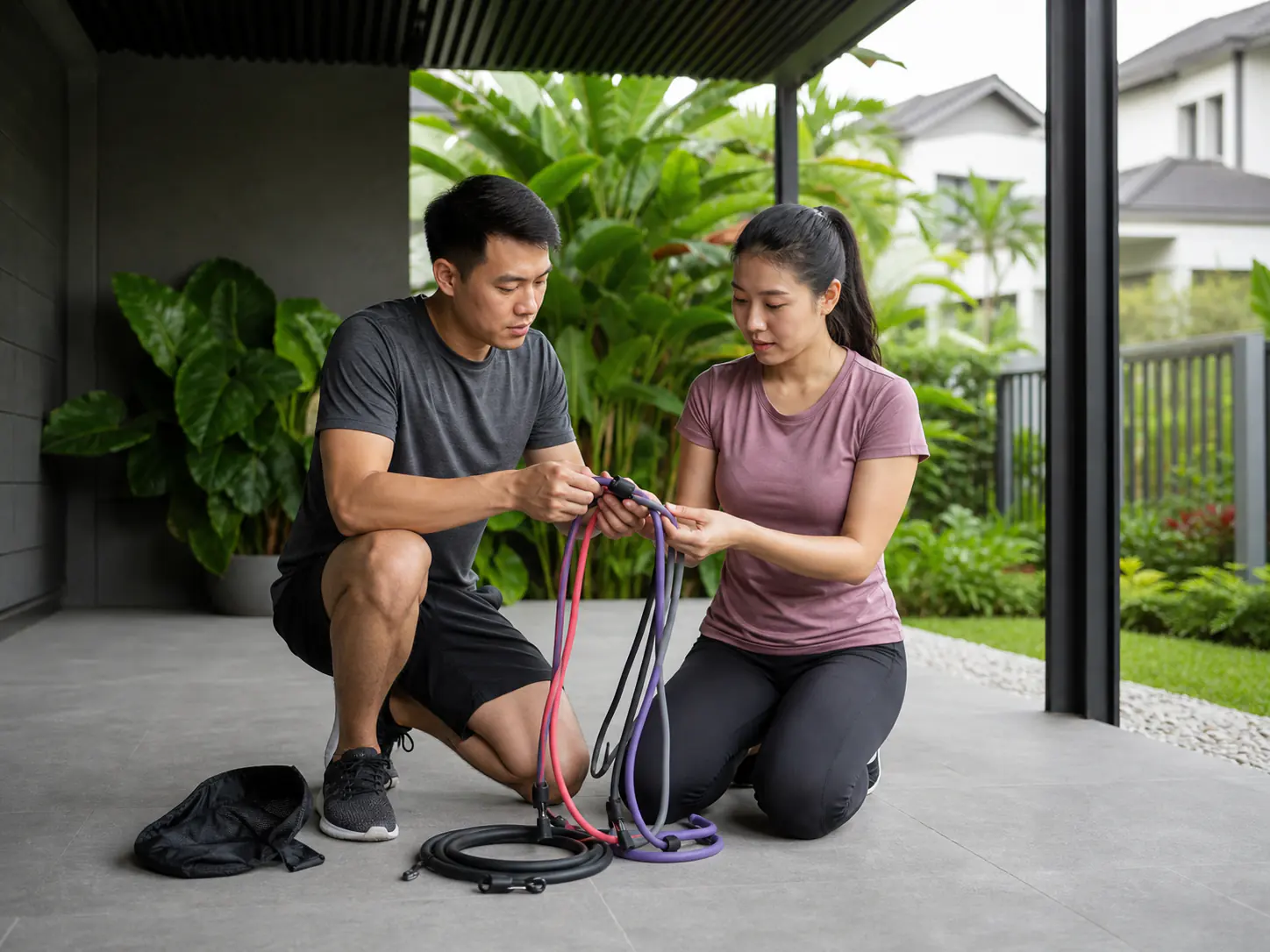
Fitness preparation on a shaded Klang Valley residential terrace

Being a student in Malaysia is not an easy setup for fitness: money is tight, timetables are all over the place, campus food is cheap and carb-heavy, and late nights are the norm. It is easy to leave university heavier and less active than you arrived. But it is also, quietly, the best window you will ever get to build habits that stick for the rest of your life.

The good news is that fitness as a student costs almost nothing if you do it right. Your own bodyweight, a bit of space and some free knowledge go a long way. Learning good technique now, before bad habits set in, pays off for decades. Build a simple, sustainable routine during these years and you carry it into your working life instead of starting from zero at thirty.

Training on a student budget

You do not need a gym membership or fancy equipment. Bodyweight training, squats, push-ups, lunges, planks, builds a genuine foundation for free. A cheap set of resistance bands adds even more for the price of a couple of meals out. The real investment as a student is learning to train properly, not spending money you do not have.

Fitting fitness around a packed timetable

  • Short sessions between classes beat waiting for a free hour
  • Train in your room, the hostel, or a campus space
  • Two or three sessions a week is plenty to build a base
  • Build the habit now while your schedule is flexible

Navigating cheap campus food

Student food is cheap, fast and heavy on rice, noodles and fried options, with sweet drinks everywhere. You do not need an expensive diet, just lean toward the better everyday choices, keep portions sensible, and cut back on the sugary drinks. Small, cheap adjustments here matter more than any supplement.

Why habits now pay off for life

The technique and routine you build as a student stay with you. Learning to train well in your twenties means you are not starting from scratch, injured and out of shape, in your thirties or forties. This is the cheapest, most valuable time to invest in your body, and the habit compounds for the rest of your life.

Frequently Asked Questions

I am a student with no money for a gym. What can I do?+

Plenty. Bodyweight training builds a real foundation for free, and a cheap set of resistance bands adds more. The valuable thing at this stage is learning to train properly, not spending money. Start simple and consistent.

How do I train with a packed class timetable?+

Short sessions between classes, in your room or a campus space, beat waiting for a free hour that never comes. Two or three sessions a week is enough to build a base. Your flexible student schedule is actually an advantage.

Campus food is cheap and unhealthy. Any tips?+

You do not need an expensive diet. Lean toward the better everyday options, keep portions sensible, and cut the sugary drinks, which are usually the biggest hidden problem. Small, cheap changes beat any supplement at this stage.

Is it really worth starting fitness as a student?+

It is the best time. Habits and technique you build now stay with you for decades and save you from starting over, unfit and possibly injured, later in life. This is the cheapest, highest-return time to invest in your body.

Continue exploring

Weight Loss

Muscle Building for Beginners

Building muscle as a beginner is simpler than the internet suggests: learn a handful of big lifts, add a little weight or reps over time, eat enough protein and sleep well. Beginners grow fastest of anyone, so the first year is the most rewarding if you start with good habits.

See the coaching approach →
Weight Loss

Protein and Fat-Loss Basics

Protein is the single most useful food habit for fat loss. It keeps you full, protects muscle in a deficit and takes more energy to digest. You do not need shakes, everyday Malaysian foods like eggs, chicken, fish, tofu and dhal cover it. We keep this general, not a medical diet.

See the coaching approach →
Why KinesioFitness

Our Approach to Beginners

Complete beginners are who we love working with most. No experience needed, we teach the basics from scratch, keep every session judgement-free, and progress slowly enough that you build confidence, not injuries. If you have never lifted a weight in your life, you are exactly who this is for.

Compare this option →
Programmes

Beginner Training

Beginner training is for people starting from zero, no gym background, no idea where to begin. We keep the first weeks simple, teach you the basic movements, and build the habit before adding intensity. No crowds, no jargon, no being left to figure it out alone.

See what it includes →
Programmes

Event Preparation Programme

An event preparation programme gets you looking and feeling your best for a specific date, a wedding, a holiday, a reunion or a photoshoot. We reverse-engineer a realistic plan from your event date, combining training and food guidance to peak at the right time.

See what it includes →
Goals

Flexibility for Desk Workers

Flexibility for desk workers targets the specific tightness that eight hours in a chair creates, locked-up hips, short hamstrings, a stiff neck and tight chest. We coach a practical routine 1-to-1, plus desk-break habits, so you feel loose and comfortable instead of permanently seized up.

See the coaching approach →

Want help applying this guide to your own training?

Private coaching adapts exercise choice, loading and progression to your level, equipment and goal.

Ask a question first Request an assessment time