Skip to content

Practical fitness guide

Active Recovery: What To Do On Your Off Days

Active recovery is light, easy movement on your off days, a walk, gentle cycle, easy swim or mobility work, that helps you feel better and recover without adding training stress. It often beats total rest for reducing stiffness and boosting mood, as long as it stays genuinely easy.
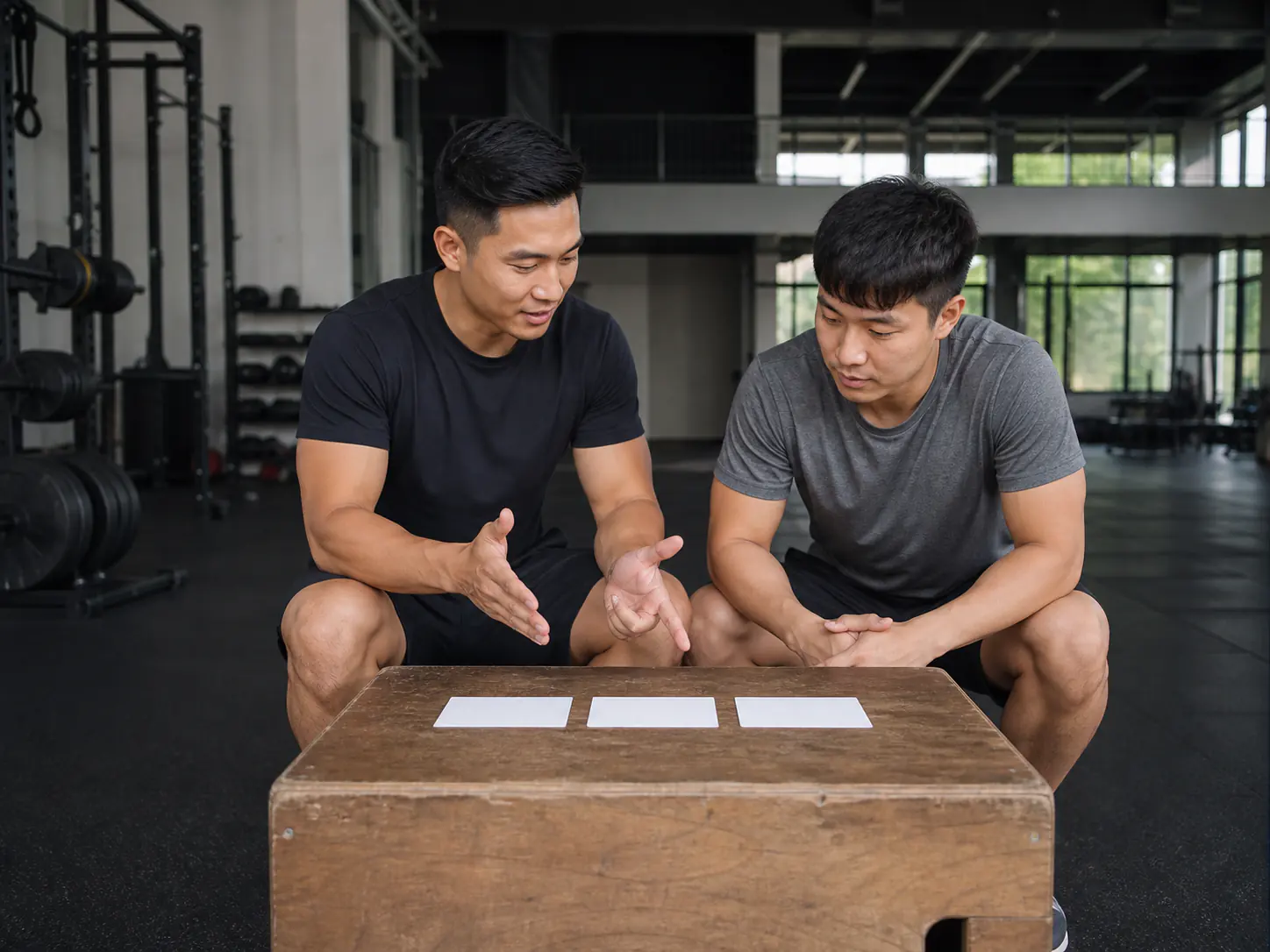
A trainer explaining a practical fitness guide

Rest days are essential, but resting does not have to mean lying on the couch all day. Active recovery is the middle ground: gentle, easy movement that helps you feel better and recover without piling on more training stress. For many people it beats total inactivity, easing stiffness and lifting mood on a day off.

The key word is easy. Active recovery is not a secret hard workout in disguise, the moment it gets tiring, it stops doing its job. This guide explains what active recovery is, why gentle movement helps recovery, and simple options that fit a rest day in the Malaysian heat without wearing you out.

What active recovery is

Active recovery is low-intensity movement done on a rest day to aid recovery. Think an easy walk, gentle cycling, a relaxed swim, or some light mobility and stretching. It keeps you moving and feeling good without the fatigue of a real workout. The intensity stays low on purpose, this is not a training day.

  • Light, easy movement on your off days
  • A walk, gentle cycle, easy swim or mobility work
  • Aids recovery without adding training stress
  • Intensity stays genuinely low

Why gentle movement helps

Moving gently on a rest day can ease stiffness, keep you feeling limber, and lift your mood, often more than lying completely still. It gets you moving without demanding recovery of its own. For desk workers, a light walk on an off day also breaks up the sitting and keeps the body from seizing up.

Keeping it genuinely easy

The mistake people make is turning active recovery into another hard session, which defeats the point. If it leaves you tired or sore, it was too much. Keep it light enough that you finish feeling refreshed, not drained. A relaxed stroll around your neighbourhood counts; a hard interval session does not.

Active recovery ideas

  1. Take a relaxed walk in a park or your neighbourhood
  2. Do gentle cycling or an easy, unhurried swim
  3. Spend a few minutes on light mobility or stretching
  4. Keep the effort easy enough to feel refreshed after
  5. Use cooler hours or shade to stay comfortable in the heat

Frequently Asked Questions

Is active recovery better than resting?+

For many people, gentle movement on a rest day eases stiffness and lifts mood more than lying still. But genuine rest matters too, especially if you are very tired. Both have a place; the key is that active recovery stays truly easy.

What counts as active recovery?+

Light, low-intensity movement: an easy walk, gentle cycling, a relaxed swim, or light mobility and stretching. The defining feature is that it is genuinely easy and leaves you refreshed rather than tired. Anything hard is a workout, not recovery.

Can active recovery replace rest days?+

It is a gentle way to spend a rest day, not a replacement for real recovery. If you are exhausted, complete rest may serve you better. Use active recovery when light movement helps you feel good, and full rest when your body needs it.

How easy should active recovery be?+

Easy enough that you finish feeling refreshed, not drained. If it leaves you tired or sore, it was too hard. A relaxed walk or gentle swim is ideal; the moment it feels like a real workout, you have missed the point.

Continue exploring

Programmes

Functional Fitness

Functional fitness trains your body for the things you actually do, carrying shopping up to the condo, picking a child off the floor, twisting to reach the back seat. We build strength, stability and mobility in real movement patterns, not isolated machine work, so daily life gets easier.

See what it includes →
Goals

Sustainable Weight Loss

Sustainable weight loss means losing weight at a pace you can hold and keeping it off for years, not weeks. We skip crash diets and build habits, steady eating, regular strength work and daily movement, coached 1-to-1 so the plan survives real life, festivals and travel.

See the coaching approach →
Programmes

Mobility Training

Mobility training restores the range of motion desk life and age quietly take away, stiff hips, tight shoulders, a locked-up back. We coach controlled movement through full ranges so you squat deeper, reach higher and move without that stiff, creaky feeling.

See what it includes →
Why KinesioFitness

Why 1-to-1 Beats Group

In a group class the coach splits attention across a room and the workout is one-size-fits-all. In 1-to-1 training, every minute, every cue and the entire plan is built around you. That is why 1-to-1 produces faster, safer results, especially for beginners and anyone with a niggle.

Compare this option →
Personal Training

Flexible Scheduling for Shift Workers

If your roster changes every week, a fixed class time will never work. Flexible scheduling books your sessions around your actual shifts, days, nights and on-call included, so nurses, pilots, security staff and hospitality workers can train consistently despite hours that never repeat.

Compare this option →
Personal Training

Morning vs Evening Training

Neither morning nor evening is universally better for training, the best time is the one you will consistently keep. Both have real pros and cons around energy, KL traffic and heat. We help you pick a slot that fits your body clock and survives a normal week.

Compare this option →

Want help applying this guide to your own training?

Private coaching adapts exercise choice, loading and progression to your level, equipment and goal.

Ask a question first Request an assessment time