Skip to content

Practical fitness guide

The Minimum Effective Dose Of Exercise

The minimum effective dose is the smallest amount of training that still produces the result you want. More is not always better; beyond a point, extra work adds fatigue without much extra benefit. Finding your minimum effective dose lets you get strong and fit efficiently, without living in the gym.
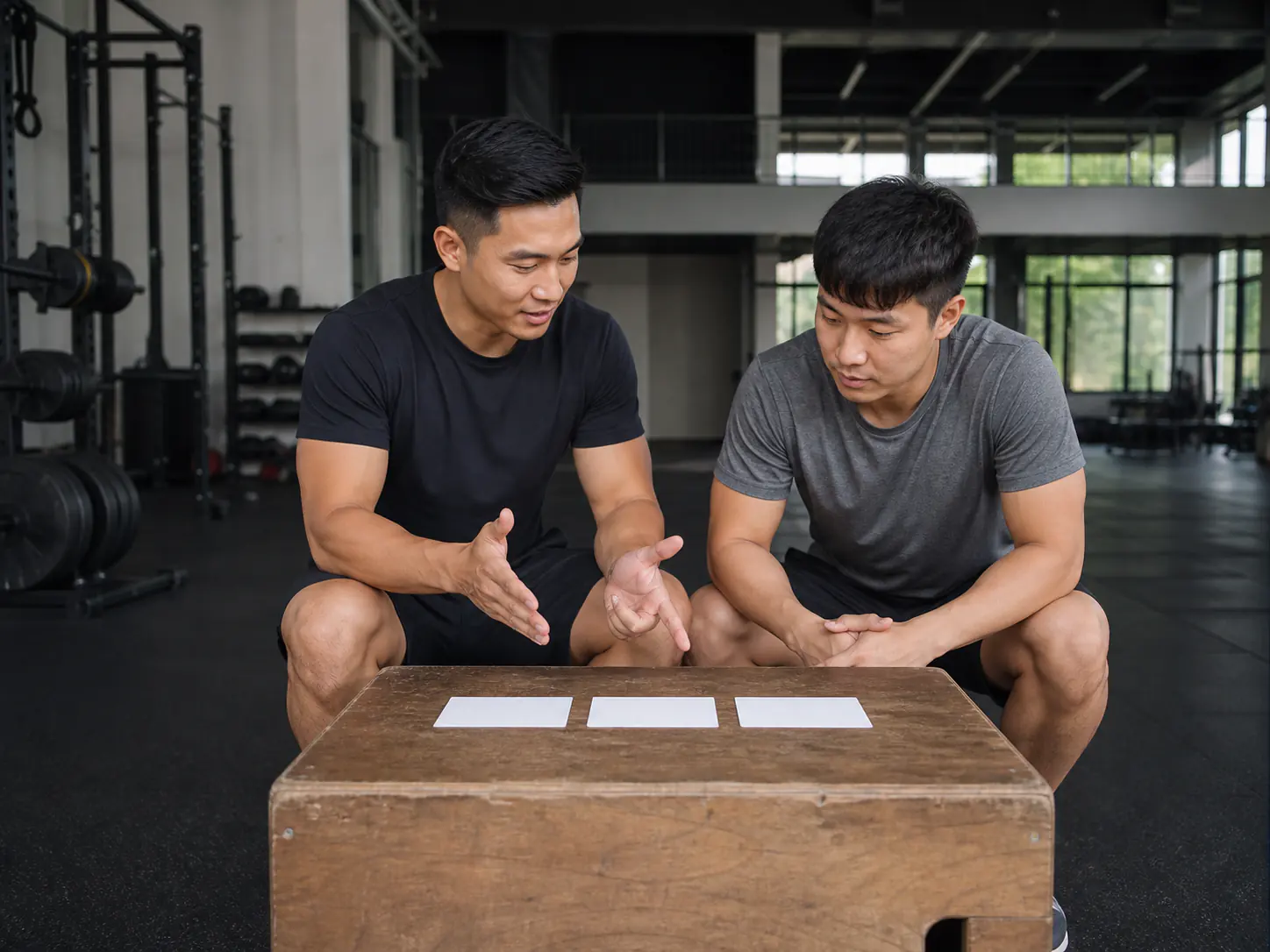
A trainer explaining a practical fitness guide

There is a widespread belief that more training is always better, more sessions, more sets, more hours. In reality, your body responds to a certain amount of stimulus, and beyond that, extra work mostly adds fatigue you have to recover from. The minimum effective dose is the idea of doing just enough to get the result, and no more.

This is liberating, especially for busy people who assume they need endless gym time to progress. You often need far less than you think. Understanding the minimum effective dose helps you train efficiently, avoid burnout, and fit results into a real life. This guide explains the concept and how to apply it sensibly.

What the minimum effective dose means

The minimum effective dose is the smallest amount of training that still produces the result you are after. It is about efficiency, not laziness, getting the benefit without wasting effort on extra work that adds little. Beyond a certain point, more sets and sessions mostly add fatigue rather than results.

  • The least training that still gets the result
  • About efficiency, not doing the bare minimum lazily
  • More is not always better beyond a point
  • Extra work can add fatigue without much benefit

Why more is not always better

Your body adapts to a certain amount of training. Pile on far more and you mostly add fatigue you have to recover from, which can actually slow progress. This is why doubling your gym time rarely doubles your results. Doing enough, then recovering well, often beats grinding endlessly.

Finding your own dose

Start with a modest, focused amount of training and progress it over time. If you are recovering well and progressing, you are in a good place. If you feel constantly drained, you may be doing more than your minimum effective dose needs. The right amount is enough to progress while still recovering, not the maximum you can cram in.

Training efficiently

  1. Start with a modest, focused amount of training
  2. Prioritise the exercises that give the most result
  3. Progress gradually rather than piling on volume
  4. Watch your recovery; constant fatigue means too much
  5. Aim for enough to progress, not the maximum possible

Frequently Asked Questions

Is more training always better?+

No. Your body adapts to a certain amount of training, and beyond that, extra work mostly adds fatigue rather than results. Doing enough and recovering well often beats grinding endlessly. Efficiency matters more than sheer volume for Many people.

How little can I train and still progress?+

Often less than you think. A modest, focused amount of training, done consistently and progressed over time, keeps Many people improving. Start there, monitor your recovery and progress, and only add more if you genuinely need it to keep moving forward.

What is the minimum effective dose?+

It is the smallest amount of training that still produces the result you want. The idea is to be efficient, getting the benefit without wasting effort on extra work that adds little. It is about smart training, not doing the bare minimum lazily.

How do I know if I am doing too much?+

Signs include constant fatigue, poor sleep, stalling progress and low motivation. If several show up, you may be exceeding your minimum effective dose and would benefit from doing a bit less and recovering more, rather than pushing even harder.

Continue exploring

Personal Training

No-Gym Personal Training

You do not need a gym membership to get strong. No-gym training coaches you at home, in a park or in your condo gym using minimal equipment, so people who dislike gyms, the crowds, the contracts, the intimidation, can still train properly and progress.

Compare this option →
Personal Training

Small-Space Home Training

You do not need a spare room or a home gym to train properly. A two-by-two-metre patch of floor, minimal equipment and a good plan are enough for a real strength session. Small-space training is designed around compact, quiet, effective movements that fit a KL apartment.

Compare this option →
Goals

More Daily Energy

Getting more daily energy means training and living in a way that steadies your blood sugar, improves your fitness and sleep, and stops the 3pm slump. We coach it 1-to-1 with the right dose of exercise so you feel more alert through the day, not more drained.

See the coaching approach →
Programmes

Home Strength Programme

A home strength programme lets you build genuine strength without a gym, we bring the coaching to your home or condo, work with the space and kit you have, and design a plan you can keep up. Perfect for parents, busy professionals and anyone who hates the commute.

See what it includes →
Programmes

Low-Impact Training

Low-impact training builds strength and fitness without the jumping, pounding and jarring that bother sensitive joints. It suits heavier clients, older adults and anyone with cranky knees, hips or ankles, proving you can get genuinely fit while being kind to your body.

See what it includes →
Goals

Better Sleep and Less Stress

Exercise is one of the most reliable ways to sleep better and manage stress, but the type, timing and dose matter. We coach a plan 1-to-1 that leaves you calmer and sleeping deeper, rather than wired and restless, as a supportive habit alongside any care you already have.

See the coaching approach →

Want help applying this guide to your own training?

Private coaching adapts exercise choice, loading and progression to your level, equipment and goal.

Ask a question first Request an assessment time