Skip to content
nav.senior-fitness

Choosing a Personal Trainer for an Older Adult in KL & Selangor

In short

Choosing a trainer for an older adult means finding someone experienced with ageing bodies, patient, safety-focused, and honest about when to refer to a doctor. This guide covers what to look for, the questions to ask, and the red flags to avoid.
Written & reviewed by M. Thurairaj & team, Registered Physiotherapist & Certified Trainers

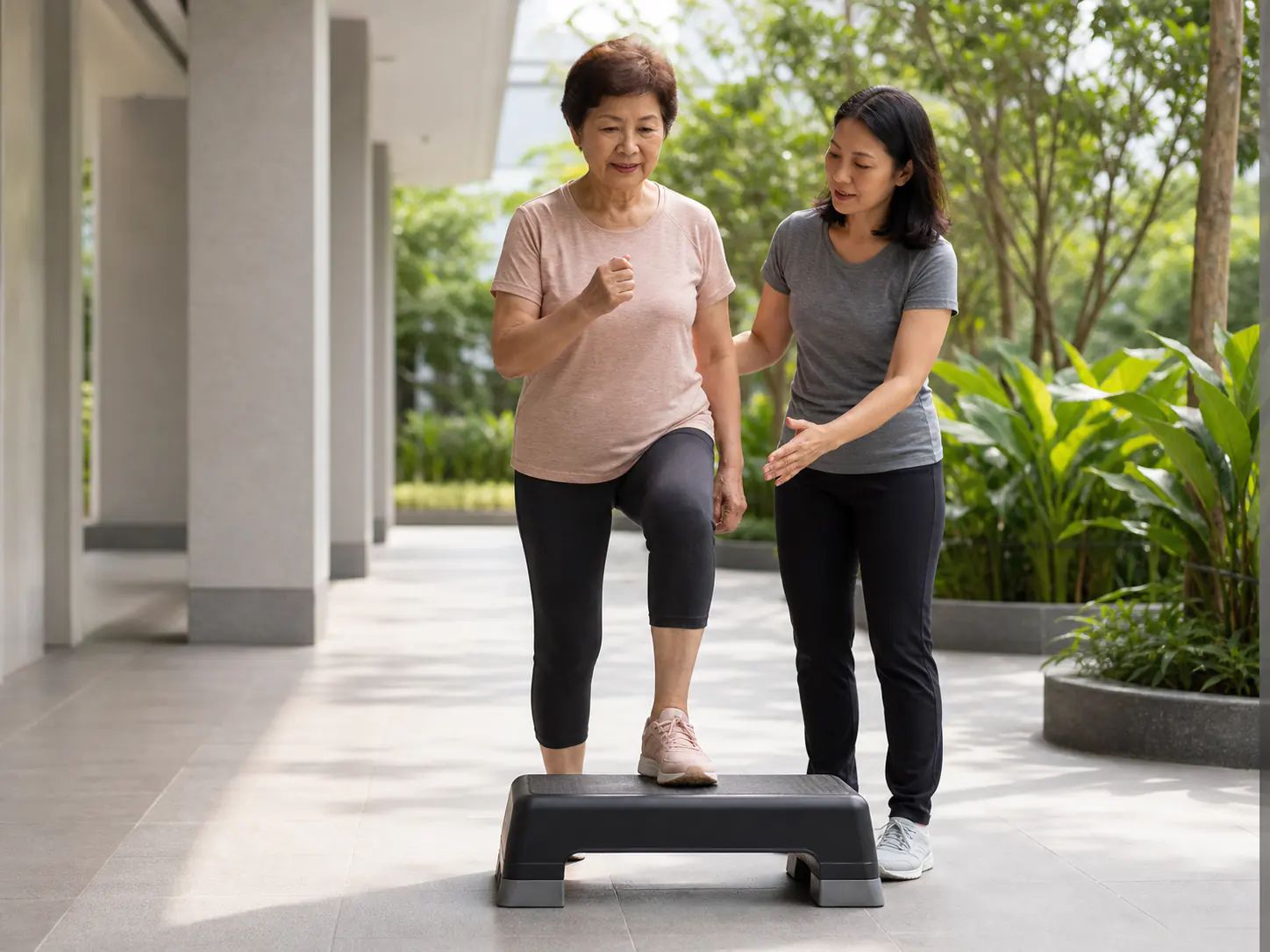
Not every personal trainer is right for an older adult. Plenty are excellent at getting young gym-goers lean and strong, but have never worked with a 70-year-old who has blood pressure, a replaced knee and a fear of falling. Training an older body well takes patience, specific knowledge, and the judgement to know when something belongs with a doctor rather than a trainer. Choosing the right person matters more than most families realise.

This guide is written to help, whether you are an adult child looking for a trainer for a parent, or an older adult choosing for yourself. We would rather you ask good questions and pick well, even if that is not us, than end up with someone who pushes too hard or works beyond their depth. Below is what genuinely matters, and the warning signs worth walking away from.

What genuinely matters

Experience with older adults counts far more than a trainer's own physique or how much they can lift. Look for patience, careful screening, a focus on safety and everyday function, and a willingness to progress slowly. A good senior trainer is as much a careful coach as a fitness expert, and treats each person with respect.

Good questions to ask a trainer

  • How much experience do you have with older clients?
  • How do you screen for health conditions before starting?
  • What happens if something seems to need a doctor?
  • How do you keep sessions safe and progress gradually?

Red flags to walk away from

Be wary of anyone who dismisses health conditions, pushes hard from day one, promises dramatic quick results, or claims to treat medical problems they are not qualified for. A trainer who will not slow down, or who has no clear plan for when to refer to a doctor, is not the right choice for an older adult.

How to make the decision

  1. Start with a conversation, not a hard workout
  2. Check their experience specifically with older adults
  3. Ask how they handle health conditions and referrals
  4. Notice whether they listen and respect your pace
  5. Choose patience and safety over intensity and hype

Frequently Asked Questions

Does my parent need a specialist, not just any trainer?+

They need someone genuinely experienced and patient with older adults, who screens carefully and refers when needed. That matters more than a specific title. The right ordinary trainer is better than a big name who rushes.

What qualifications should a senior trainer have?+

A recognised personal training qualification is the baseline, but experience with older bodies and good judgement matter just as much. Ask about their track record with clients like your parent, not just certificates.

How do I know if a trainer is pushing too hard?+

Warning signs include pain during or after sessions, exhaustion, dismissing health concerns, or ignoring your pace. A good trainer keeps effort challenging but comfortable and always listens to how you feel.

Can we start with a trial before committing?+

Yes, and you should. We begin with a conversation and an assessment rather than a hard workout, so you can judge whether the fit feels right before committing to anything ongoing.

Related pages

nav.senior-fitness

Age-Related Muscle Loss (Sarcopenia)

Age-related muscle loss, or sarcopenia, is the gradual decline in muscle and strength that weakens you with age. Resistance training is the most effective way to slow and reverse it, coached safely at our Putra Heights centre or your home.

nav.senior-fitness

Balance Training for Seniors

Balance training for seniors improves stability, reaction and confidence on your feet, reducing the wobble that leads to falls. A trainer coaches safe balance drills alongside the leg strength that makes balance possible, at our centre or your home.

nav.senior-fitness

Bone Health and Strength

Bone health strength training uses weight-bearing and resistance exercise to support bone density and reduce fracture risk. A trainer builds a safe, bone-friendly plan coordinated with your medical advice, at our Putra Heights centre or your home.

nav.senior-fitness

Carrying Groceries with Ease

Carrying groceries with ease comes from grip, arm, back and core strength trained for real-life loads. A trainer builds the practical strength to carry your own shopping safely, without straining your back, at our Putra Heights centre or your home.

nav.senior-fitness

Chair Rise Strength

Chair rise strength is the leg and hip power to stand up from a chair without pushing on your arms. It is a key marker of independence, and a trainer can rebuild it with targeted, safe practice at our Putra Heights centre or your home.

nav.senior-fitness

Climbing Stairs with Confidence

Climbing stairs with confidence comes from stronger legs, better balance and enough stamina to reach the top without stopping. A trainer builds all three safely, so stairs stop being something you dread, at our Putra Heights centre or your home.

Ready to start?

Train at our Putra Heights centre, your home, or your condo gym

WhatsApp Book an Assessment