Skip to content

Training towards a clear goal

Do Your First Pull-Up With a Clear Plan

Getting your first pull-up is a specific strength goal with a clear path: build your back and arm pulling strength through progressions like assisted and negative reps until you can lift your full bodyweight once. We coach that ladder 1-to-1 so you actually get there.
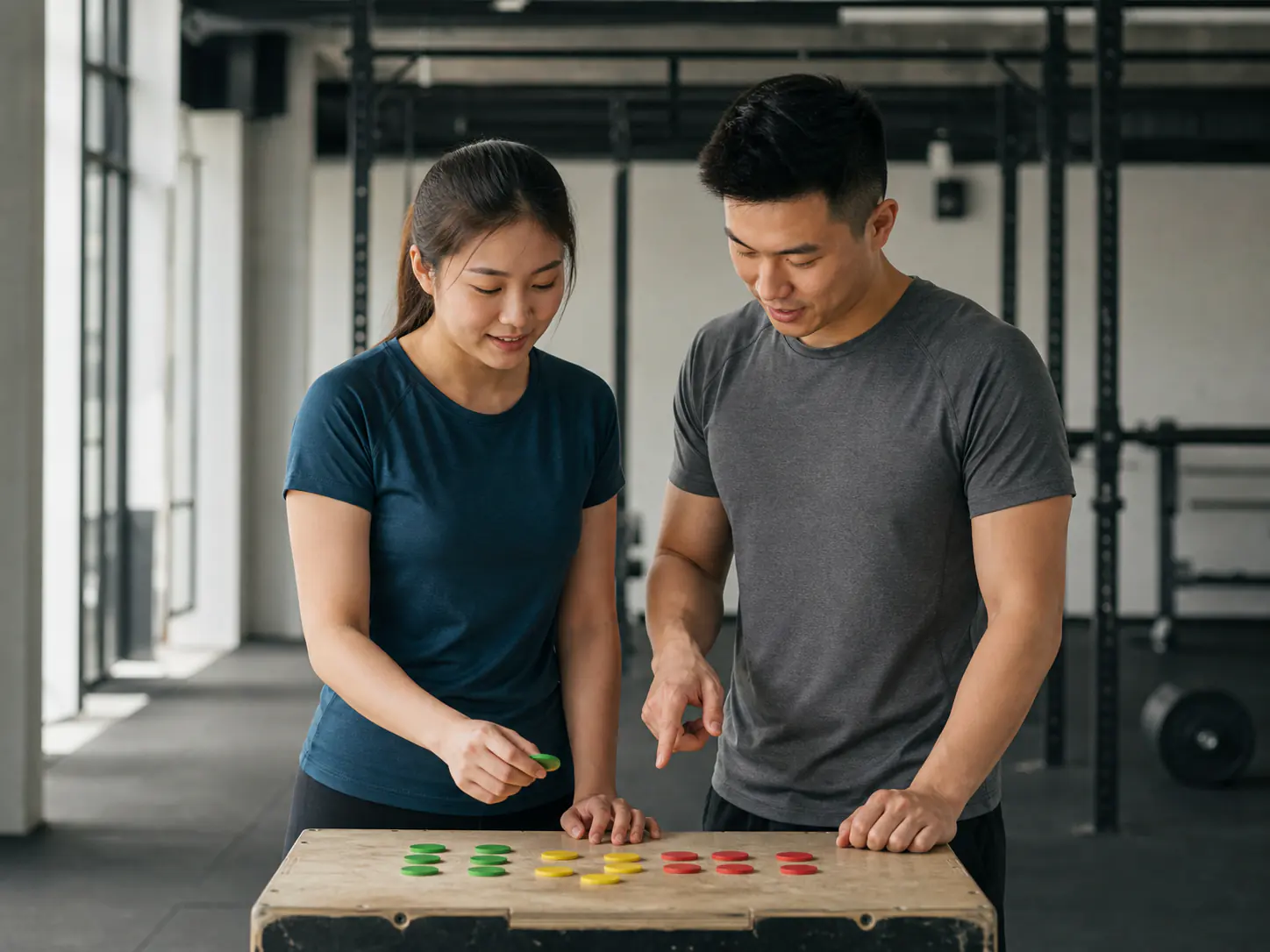
A trainer and client reviewing progress toward a fitness goal

The pull-up is one of the most satisfying fitness milestones there is, and one of the most misunderstood. People try, fail to move at all, and conclude they will never do one. The truth is a pull-up is a trainable skill with a clear progression. Almost anyone without a limiting condition can build to their first strict rep with the right, patient plan.

It comes down to building enough pulling strength in your back and arms relative to your bodyweight, through a ladder of progressions. Coached 1-to-1, we start wherever you are, even if you cannot budge from a dead hang today, and work through assisted reps, negatives and band work until the day you pull your own chin over the bar unaided.

Why you cannot do one yet

Not being able to do a pull-up is almost never permanent, it just means your current pulling strength has not caught up to your bodyweight yet. That gap is exactly what we close, step by step.

  • Back and arm pulling muscles are not yet strong enough
  • Your strength-to-bodyweight ratio needs to improve
  • You have never trained the specific movement pattern
  • Grip may give out before your back does

The progression ladder we use

  1. Build back strength with rows and lat work
  2. Practise dead hangs to build grip and shoulder control
  3. Use band-assisted or machine-assisted pull-ups
  4. Train negatives: lower slowly from the top
  5. Reduce assistance until you get your first full rep

How we measure progress

We track very concrete markers on the way: hang time, rows getting heavier, assisted reps needing less help, and negatives getting slower and more controlled. Each is a clear stepping stone that shows the full pull-up is coming.

A realistic timeline

It varies a lot with your starting strength and bodyweight, but many people reach their first pull-up in three to six months of consistent, focused training. Lighter and stronger starters get there faster; we set an honest target after assessing you.

Frequently Asked Questions

I cannot do a single pull-up, is it even possible for me?+

For Many people without a limiting condition, yes. A pull-up is a trainable skill, not a talent. We build the strength step by step through progressions until you get there.

Do I need to lose weight to do a pull-up?+

It helps, since a pull-up is about strength relative to bodyweight, but it is not always necessary. We build pulling strength and, if useful for your goals, pair it with some fat loss.

Are band-assisted pull-ups cheating?+

Not at all, they are a smart, proven step on the ladder. Assistance lets you train the real movement with less load and reduce it over time until you need none.

Can women do pull-ups too?+

Yes. Plenty of our female clients build to strict pull-ups. It takes focused pulling strength work, and the same progression path works regardless of gender.

Continue exploring

Assessments

Beginner Fitness Assessment

A beginner fitness assessment is a gentle first session where we map where you are starting from, movement, strength, stamina and goals. No fitness is needed to take it. It sets a safe, realistic starting point, not a diagnosis, and turns "I don't know where to begin" into a clear first plan.

See how it works →
Programmes

Low-Impact Training

Low-impact training builds strength and fitness without the jumping, pounding and jarring that bother sensitive joints. It suits heavier clients, older adults and anyone with cranky knees, hips or ankles, proving you can get genuinely fit while being kind to your body.

See what it includes →
Why KinesioFitness

Safety & Screening

Before you lift anything heavy, we screen you: a health-history questionnaire, a movement check, and a look at any conditions or medications that affect training. If we spot a red flag, we get you cleared by a doctor first. Good screening is why serious injuries in our sessions are so rare.

Compare this option →
Who We Help

Personal Training for Beginner Runners

Most new runners get injured because they start running before their body is ready for the impact. We build the strength, conditioning and running-specific resilience first, so you progress toward your first 5K without the shin splints and knee pain that stop most beginners. At home or our Putra Heights centre.

See how coaching adapts →
Who We Help

Personal Training for Dads Getting Back in Shape

Since the kids arrived, your own fitness quietly slipped and the dad bod crept in. Training for dads rebuilds strength and energy so you can keep up with your children now and stay active for them long-term, with efficient sessions at home that fit around family life across KL and Selangor.

See how coaching adapts →
Programmes

Functional Fitness

Functional fitness trains your body for the things you actually do, carrying shopping up to the condo, picking a child off the floor, twisting to reach the back seat. We build strength, stability and mobility in real movement patterns, not isolated machine work, so daily life gets easier.

See what it includes →

Ready for a more structured way to train?

Start with an assessment so we understand your level, goal, schedule and preferred training location.

The request opens WhatsApp; a time is confirmed only after we reply and agree it with you.

Request an assessment time Ask a question first