Skip to content

Exercise suitability guide

Heat Safety When Exercising in KL & Selangor

KL heat and humidity make overheating a real risk during exercise. We coach smart timing, hydration and pacing so you train safely and comfortably. This is general fitness safety guidance. Anyone with a medical condition affecting heat tolerance should be cleared and advised by their doctor first.
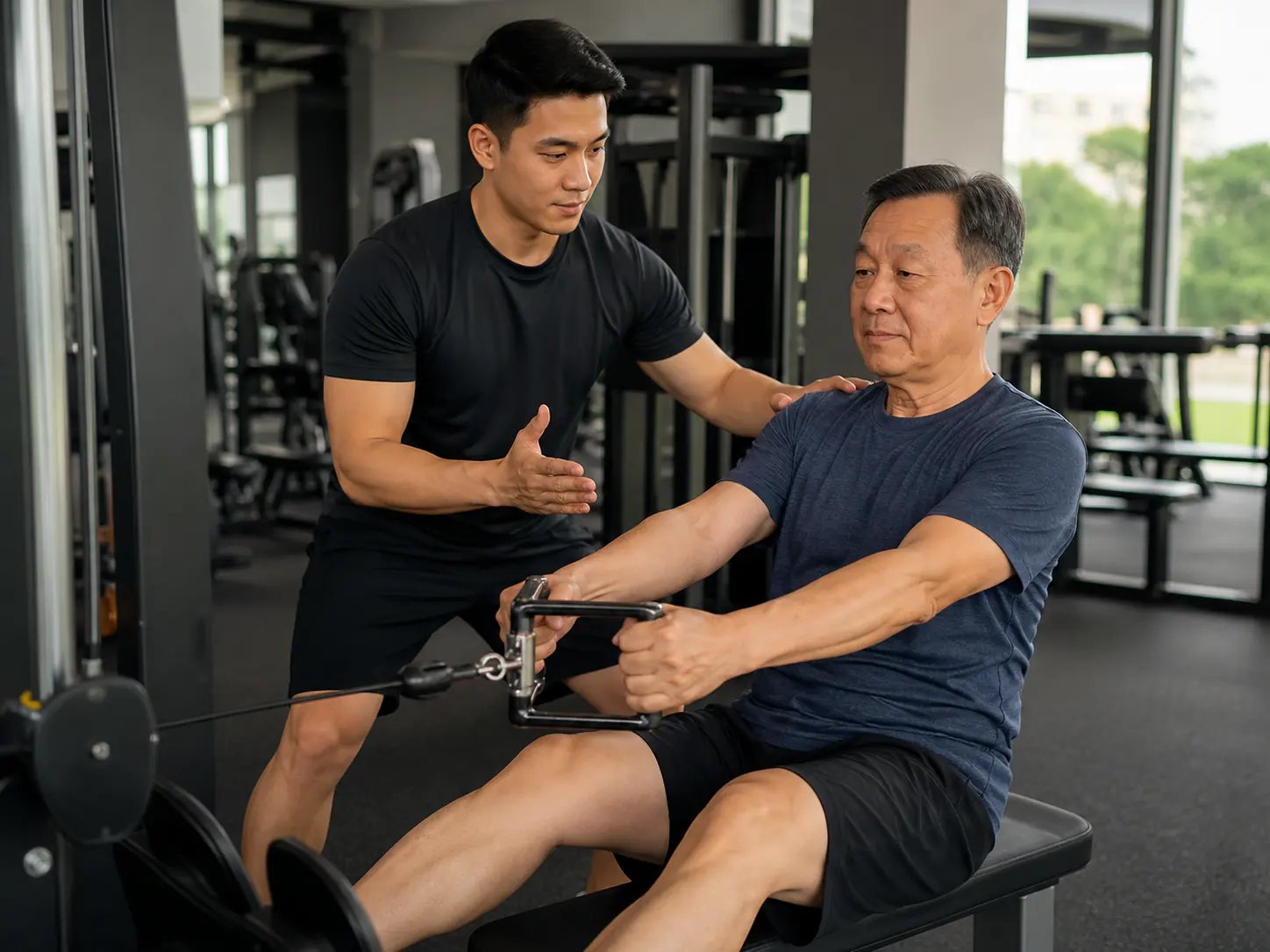
An older adult completing a supervised cable-row exercise

Training in the Klang Valley means training in real heat and humidity, and that changes the maths of a safe session. Your body works harder to cool itself, you lose more fluid, and you tire faster, so a plan that ignores the weather is a plan that gets uncomfortable, or unsafe, quickly. A bit of sense goes a long way here.

This is general fitness safety, not medical advice. Some conditions and some medications affect how well you handle heat, and if that applies to you, your doctor needs to clear and advise you first. What we bring is practical coaching, timing, hydration, pacing and shade, so your sessions work with the climate instead of fighting it.

Training smart in the heat

Timing matters most. We favour early mornings, evenings, or air-conditioned indoor sessions over the brutal midday sun, and on genuinely oppressive days we happily move indoors or ease the intensity right back. Nobody earns a medal for training through dangerous heat.

Hydration and pacing do the rest. We build in regular water breaks, keep intensity honest, and watch how you are coping rather than pushing to a fixed plan when the humidity is fighting back.

Practical heat habits

  • Train early, late, or indoors with air-con on the hottest days
  • Drink water before, during and after, do not wait until thirsty
  • Wear light, breathable clothing
  • Take regular breaks in shade or cool air
  • Ease intensity right back on extreme heat or humidity days

Red flags, stop and cool down now

  • Dizziness, headache, nausea or feeling faint
  • Muscle cramps that come on with the heat
  • Skin that is cold and clammy, or oddly hot and dry, in the heat
  • Confusion, a racing heartbeat, or stopping sweating when you should be
  • These can signal heat illness, stop, cool down, get fluids, and seek medical help if severe

When heat is a medical matter

Some medical conditions and medications reduce how well you tolerate heat. If a doctor has told you that heat is a particular risk for you, get their clearance and advice before training in it, and share that guidance with us. We coach the sensible general habits; anything condition-specific comes from your doctor.

Frequently Asked Questions

When is the best time to train in KL?+

Early morning or evening, or indoors with air-con, to dodge the fiercest midday heat and humidity. We plan your sessions around the cooler parts of the day and move indoors when the weather is punishing.

How much water should I drink?+

Drink before, during and after your session rather than waiting until you feel thirsty, which is already a bit late. In KL humidity you lose more than you think, so regular sips through the session matter.

What are the warning signs of overheating?+

Dizziness, headache, nausea, cramps, feeling faint, or skin that is clammy or oddly hot and dry. If these appear we stop, cool you down and get fluids in, and seek medical help if it is severe.

Does a medical condition change heat safety?+

It can. Some conditions and medications affect heat tolerance. If that applies to you, get your doctor's clearance and advice first and share it with us, so we coach within their guidance.

Continue exploring

Assessments

When You Need Medical Clearance

Medical clearance means getting your doctor's okay before starting exercise. Certain answers on your screening, chest pain, uncontrolled blood pressure or diabetes, recent surgery, dizziness, mean we pause and ask you to see a doctor first. Once cleared, we train around whatever you have.

See how it works →
Assessments

Your Health History

Your health history is the record of past injuries, conditions, surgeries and medications you share before training. It is not judged or diagnosed, it is used to set safe loads, train around old problems, and know when to refer you to a doctor first. The fuller it is, the safer you train.

See how it works →
Why KinesioFitness

Safety & Screening

Before you lift anything heavy, we screen you: a health-history questionnaire, a movement check, and a look at any conditions or medications that affect training. If we spot a red flag, we get you cleared by a doctor first. Good screening is why serious injuries in our sessions are so rare.

Compare this option →
Why KinesioFitness

Working With Your Doctor or Physio

If you are under a doctor or physiotherapist, we train alongside them, not against them. With your permission we respect their restrictions, build a plan that supports their treatment, and stay in our lane as coaches. This teamwork is how people with conditions or past injuries train safely and well.

Compare this option →
Guides & Tools

Exercise And Blood Pressure Basics

In general, regular exercise supports heart health and healthy blood pressure over time as part of an active lifestyle. This is general education, not medical advice. If you have high blood pressure, a heart condition, or take medication, speak to your doctor before starting or changing an exercise routine.

Read the guide →
Guides & Tools

Exercise And Blood Sugar Basics

In general, regular exercise helps the body use blood sugar and supports overall metabolic health. Both cardio and strength training play a role. This is general education, not medical advice. If you have diabetes, blood sugar concerns, or take any medication, speak to your doctor before changing your routine.

Read the guide →

Not sure whether exercise is suitable for your situation?

Share your situation, any medical clearance and your training goal. We will explain the fitness scope and when referral is needed.

Ask about exercise suitability Request an assessment time