Skip to content

Practical fitness guide

How to Train and Stay Fit During Ramadan

You can hold your fitness through Ramadan by training at the right time, eating well at sahur and iftar, and lowering volume rather than stopping. Many people keep their strength across the month. We adjust every plan around the fast so you finish Raya feeling good, not undone.
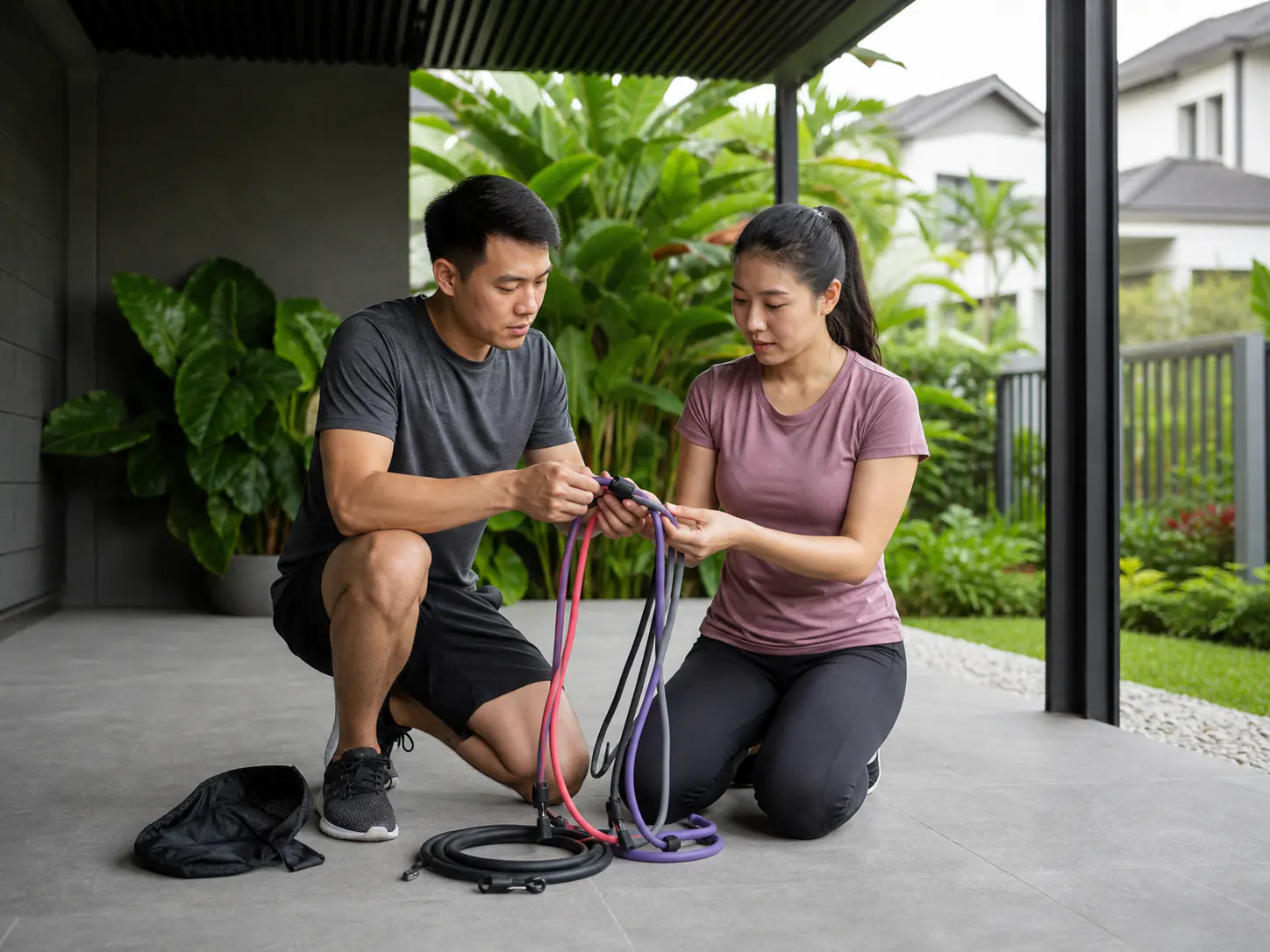
Fitness preparation on a shaded Klang Valley residential terrace

Ramadan changes everything about training: no food or water through the day, disrupted sleep, and long hours before iftar. A lot of people either stop completely and lose a month of progress, or push too hard and feel wrecked. Neither is necessary. The fast is a reason to train smarter, not a reason to quit for thirty days.

The goal during Ramadan is maintenance, not personal bests. If you keep training two or three times a week at a sensible intensity, eat properly at sahur and iftar, and time sessions well, you hold nearly all your strength and come out the other side ready to build again. We plan the month with clients so it works around the fast, not against it.

The best times to train while fasting

  • Just before iftar: fluids and food are minutes away
  • After iftar and a short rest: fully fuelled, feels strongest
  • After terawih for night owls, if sleep allows
  • Avoid mid-afternoon, the longest stretch from your last meal

Sahur and iftar for training

What you eat at these two meals decides how you feel and whether you keep muscle. Build sahur around slow-release carbs, protein and plenty of water so you last the day. Break the fast gently, then have a proper protein-rich meal before or after your session. Rushing straight from iftar into heavy lifting usually backfires.

Dialling the intensity down

This is not the month for maximum effort or long conditioning. We cut the volume, keep the weights respectable to protect muscle, and shorten sessions. You are aiming to maintain, and maintenance takes far less work than people assume, a couple of shorter, focused sessions a week does the job through the fast.

Hydration across the fasting window

  1. Front-load water between iftar and sleeping
  2. Drink steadily at sahur, not one big gulp
  3. Limit caffeine, which pulls fluid out of you
  4. Skip salty fried food that leaves you thirsty all day
  5. Listen for dizziness, a sign to stop and rehydrate at iftar

Frequently Asked Questions

Will I lose all my muscle during Ramadan?+

No, not if you keep training a couple of times a week and hit protein at sahur and iftar. Muscle is well protected over a month. Most fasting clients hold their strength and lose very little.

Is it safe to train while fasting?+

For healthy adults, yes, with the right timing and lower intensity. Train near iftar so food and water are close, ease off the volume, and stop if you feel faint. We adjust the plan to keep it safe.

Should I train before or after iftar?+

Both work. Just before iftar means fluids are minutes away; after iftar and a short rest means you are fuelled and usually feel strongest. We pick based on your schedule and how you respond.

Can I still lose fat during the fasting month?+

Some do, but Ramadan is better treated as a maintenance month. Big Raya spreads and heavy sahur meals can offset the fast. Hold your training and eat sensibly, then push fat loss again afterwards.

Continue exploring

Why KinesioFitness

Working With Your Doctor or Physio

If you are under a doctor or physiotherapist, we train alongside them, not against them. With your permission we respect their restrictions, build a plan that supports their treatment, and stay in our lane as coaches. This teamwork is how people with conditions or past injuries train safely and well.

Compare this option →
Why KinesioFitness

Assessment-Led Coaching

Assessment-led coaching means we test before we prescribe. Before your first real workout we screen how you move, what you can lift, your history and your schedule, then build a plan on facts, not a template. It is the single biggest reason our clients progress safely.

Compare this option →
Personal Training

30-Minute Express Sessions

A 30-minute express session strips training down to what matters most, a quick warm-up and a few high-value lifts, coached at pace. When programmed well, half an hour done consistently beats a full hour you keep skipping because you cannot find the time.

Compare this option →
Personal Training

60-Minute Sessions

A 60-minute session is the full-length format: a thorough warm-up, the main strength work with time to coach technique carefully, and a finisher or mobility piece. It suits people who want steady, well-rounded progress and are not racing the clock during the session.

Compare this option →
Goals

Sustainable Weight Loss

Sustainable weight loss means losing weight at a pace you can hold and keeping it off for years, not weeks. We skip crash diets and build habits, steady eating, regular strength work and daily movement, coached 1-to-1 so the plan survives real life, festivals and travel.

See the coaching approach →
Programmes

Healthy-Ageing Fitness

Healthy-ageing fitness helps you keep the strength, balance and mobility that let you live independently and enjoy life as you get older. We train gently and safely, work with any medical clearance from your doctor, and focus on the abilities that matter most in daily life.

See what it includes →

Want help applying this guide to your own training?

Private coaching adapts exercise choice, loading and progression to your level, equipment and goal.

Ask a question first Request an assessment time