Skip to content

What the programme includes

Flexibility Training in KL & Selangor

Flexibility training lengthens chronically tight muscles, hamstrings, hip flexors, calves, chest, so you can bend, reach and sit comfortably again. We use guided, progressive stretching plus supporting strength so the new range sticks instead of snapping back within a day.
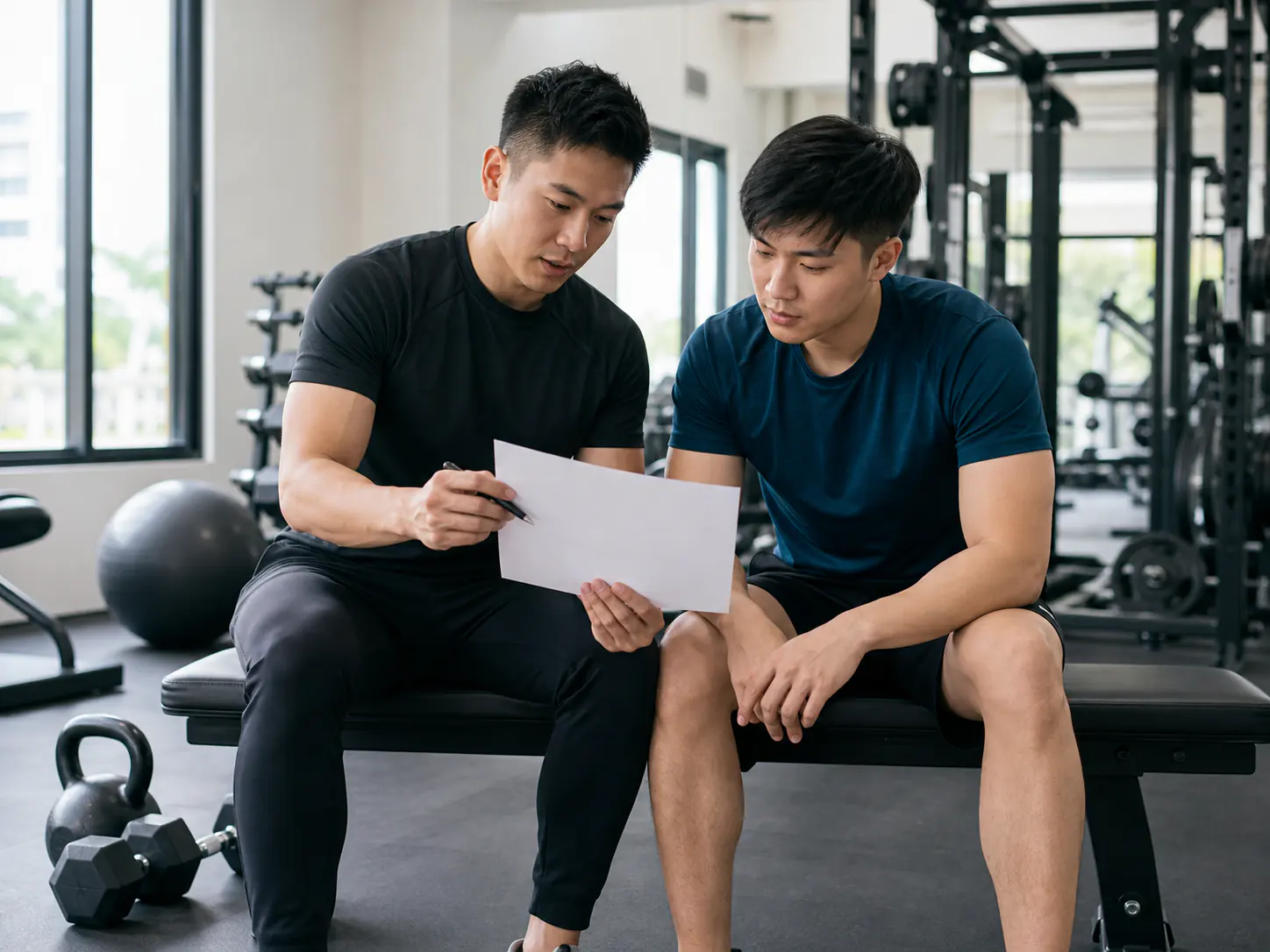
A trainer and client reviewing a structured training programme

Plenty of people cannot touch their toes, sit cross-legged comfortably, or reach behind their back without strain. Tight hamstrings, hip flexors and chest muscles build up from years of sitting and never stretching, and they quietly limit how you move and feel. The good news is muscle length responds well to consistent, patient work.

Flexibility training is that patient work, done properly. Rather than yanking on cold muscles, we warm you up, guide you into each stretch at the right intensity, and pair it with a little strength so your body holds the new range. Done a few times a week, Many people see real change within a month or two.

Why your last attempt at stretching failed

Many people stretch cold, hold for a few seconds, do it once, and give up when nothing changes. Flexibility is a slow adaptation, it needs the right intensity, enough time under tension, and regular repetition to actually shift.

We take the guesswork out: correct positions, the right hold times, and a schedule that fits your week so the work actually adds up.

The muscles we usually target

  • Hamstrings, the classic barrier to touching your toes
  • Hip flexors, tight from sitting, they pull on your lower back
  • Calves, limit ankle movement and squat depth
  • Chest and shoulders, tight from screens, they round your posture

A sample flexibility session

  1. Light movement to warm the muscles first, never stretch cold
  2. Guided stretches held at a firm but comfortable intensity
  3. Gentle strengthening at the new end range so it holds
  4. A short daily set to do at home between sessions

Flexibility with a purpose

We tie your flexibility work to what you actually want, sitting comfortably on the floor with your kids, improving your squat, or easing the tightness from long office days. Stretching without a target tends to fizzle out, so we anchor it to a goal that keeps you consistent.

Frequently Asked Questions

How long until I can touch my toes?+

It varies, but with consistent guided work Many people see clear progress within four to eight weeks. How tight you are to begin with and how regularly you do your homework are the two biggest factors.

Is it too late to get flexible at my age?+

No. Muscles respond to consistent stretching at any age. Older clients may progress a little slower, but they still make real gains. We simply adjust the intensity and pace to suit you.

Does stretching help with tightness-related aches?+

It often eases everyday tightness by restoring normal muscle length. But we do not treat injuries, if a pain is sharp or persistent, we ask you to have it checked medically before we continue.

What is the difference between flexibility and mobility?+

Flexibility is how far a muscle can lengthen; mobility is how well you can move and control a joint through its range. They overlap, and we usually combine both for the best everyday results.

Continue exploring

Goals

Fix Your Posture

Fixing posture is less about standing straighter on command and more about building the strength and mobility to hold a good position without effort. We coach that 1-to-1, opening tight areas from desk life and strengthening the muscles that keep you upright all day.

See the coaching approach →
Goals

Flexibility for Desk Workers

Flexibility for desk workers targets the specific tightness that eight hours in a chair creates, locked-up hips, short hamstrings, a stiff neck and tight chest. We coach a practical routine 1-to-1, plus desk-break habits, so you feel loose and comfortable instead of permanently seized up.

See the coaching approach →
Assessments

Sit-to-Stand Test

The sit-to-stand test counts how many times you can rise from a chair and sit back down in 30 seconds, or times five rises. It reflects leg strength and everyday function, especially for older adults. It is a simple fitness marker we track and improve, not a diagnostic medical test.

See how it works →
Weight Loss

Cardio for Fat Loss

Cardio helps fat loss by burning extra calories and improving fitness, but it is a supporting act, not the star. Diet and strength training do the heavy lifting; cardio tops up the burn. We help you use the right amount and type without overdoing it or letting it eat your recovery.

See the coaching approach →
Why KinesioFitness

Results You Can Expect

Realistically, you can expect rising strength within weeks, better energy and sleep early, and visible body changes over a couple of months of consistency. We do not promise dramatic 30-day transformations. We promise steady, honest progress that lasts, which is what actually changes your life.

Compare this option →
Weight Loss

Strength Plus Cardio for Fat Loss

The best fat-loss plans use both strength and cardio, not one or the other. Strength keeps muscle and shape; cardio and walking add extra calorie burn and heart health. We show you how to combine them without overtraining, so fat drops while your body stays strong.

See the coaching approach →

Ready for a more structured way to train?

Start with an assessment so we understand your level, goal, schedule and preferred training location.

The request opens WhatsApp; a time is confirmed only after we reply and agree it with you.

Request an assessment time Ask a question first