Practical fitness guide
DOMS: Why You Get Sore And What To Do
DOMS is the muscle soreness that shows up a day or two after training, especially after new or harder exercise. It is normal, harmless, and fades in a few days. It is not a sign of a good or bad workout. Gentle movement, sleep and staying active help you feel better.
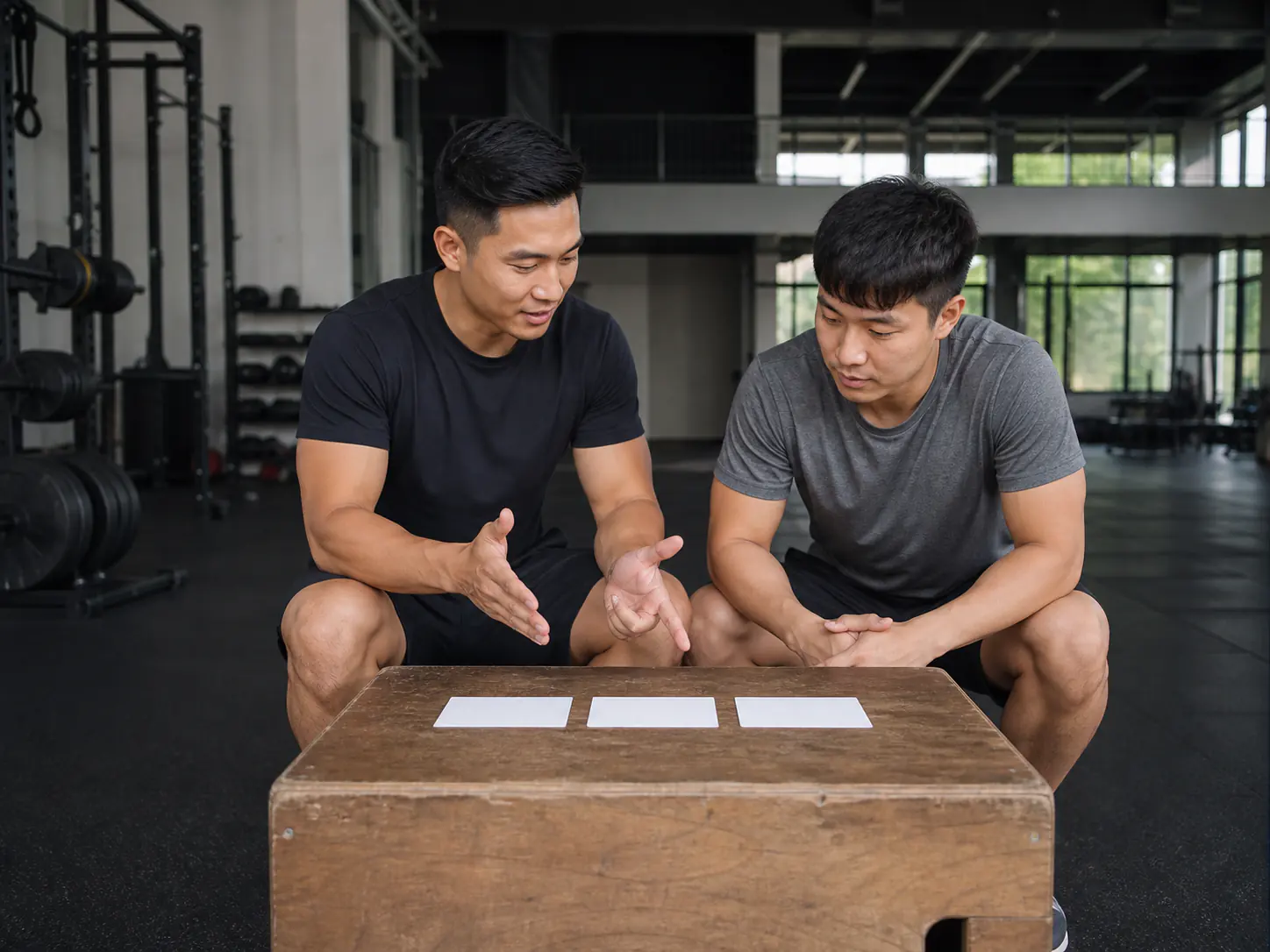
You train legs on Monday, feel fine that evening, then struggle down the stairs on Wednesday. That delayed soreness is DOMS, delayed onset muscle soreness. It is one of the most misunderstood parts of training. Beginners often think it means damage or a great session, when really it is just a normal response to unfamiliar effort.
DOMS is harmless and temporary, fading over a few days as your body adapts. It shows up most after new exercises or when you push harder than usual. Understanding it stops you from panicking, over-resting, or chasing soreness as if it were the goal. Here is what is actually happening and how to handle it.
What DOMS is and is not
DOMS is normal soreness from asking muscles to do something new or harder than usual. It is not a sign of injury, and it is not a reliable measure of how good your workout was. You can make great progress with little soreness, and being very sore does not mean you trained better.
- Normal response to new or harder exercise
- Peaks a day or two after training, then fades
- Not a measure of workout quality
- Not the same as sharp pain, which needs caution
Why beginners feel it most
When everything is new, almost every session brings some DOMS. As your body adapts over weeks, the same training causes far less soreness, a sign you are getting fitter, not that the workout stopped working. Big spikes in soreness usually just mean you did something new or much harder.
How to feel better
Gentle movement usually eases DOMS more than lying still, a light walk, easy cycling, or moving the sore area through a comfortable range. Sleep, food and staying generally active all help. There is no magic cure; it fades on its own. Just avoid maxing out the same very sore muscles the next day.
Managing soreness sensibly
- Expect some soreness after new or harder sessions
- Keep moving gently rather than lying around
- Do lighter work or a different body part if very sore
- Prioritise sleep and eating enough to recover
- Only worry if pain is sharp, one-sided or lingering