Sport-specific coaching
Agility Training in KL & Selangor
Agility training builds the ability to accelerate, decelerate and change direction quickly and safely. Useful for almost any sport, we develop the deceleration strength, footwork and reactive quickness that make you sharper on the court, pitch or field while protecting your knees and ankles.
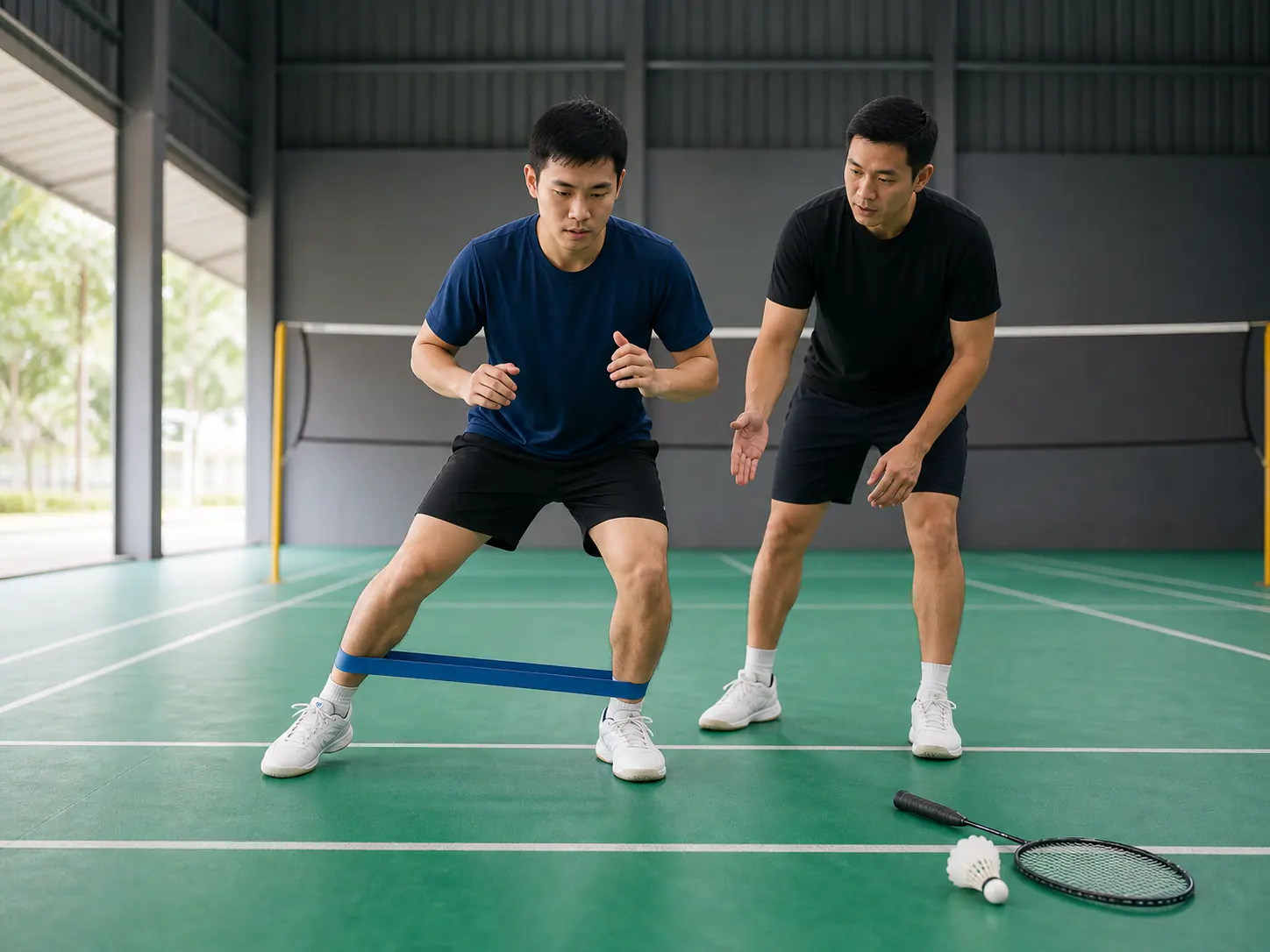
Agility is the quality that separates athletes who look quick from those who actually are. It is not just running fast in a straight line; it is the ability to accelerate, stop under control, and change direction sharply, then react to what is happening around you. Almost every sport that involves opponents or a moving ball rewards agility, and most recreational athletes have never trained it directly.
We build agility from the ground up: the deceleration strength to stop and cut without losing control or hurting a knee, efficient footwork patterns, and the reactive quickness to respond to a cue rather than a rehearsed pattern. This makes you sharper in whatever sport you play, and because good agility is built on control, it also protects the joints that bad cutting mechanics put at risk.
What agility really involves
True agility has two parts: the physical ability to accelerate, decelerate and change direction, and the reactive ability to do it in response to what is happening, not on a script. The physical side depends heavily on deceleration strength, because you cannot change direction sharply if you cannot stop under control first.
Many people train speed or pre-planned drills but never the deceleration and reactive elements, which is why they look fast in a straight line but get beaten by a sharp sidestep. We train all of it.
What we assess and build
- Deceleration strength to stop and cut under control
- Efficient footwork and change-of-direction mechanics
- Reactive quickness to respond to real cues
- Knee and ankle control to keep cutting safe
A sample agility progression
- Weeks 1-2: build single-leg strength and deceleration control
- Weeks 3-4: add planned change-of-direction footwork
- Weeks 5-6: introduce reactive and cue-based agility drills
- Weeks 7-8: sport-specific agility at full speed
Common mistakes and home alternatives
People do endless cone drills they already know, which trains memory not reactive agility, and neglect the deceleration strength that makes cutting safe. At home, single-leg strength, controlled deceleration drills, lateral bounds and simple reaction games build genuine agility.