Skip to content

Sport-specific coaching

Trail Running Conditioning in KL & Selangor

Trail running conditioning builds the climbing power, downhill control and ankle stability that technical terrain demands. We train the strength and balance road runners lack, so you handle roots, rocks and steep descents without rolling an ankle or trashing your knees.
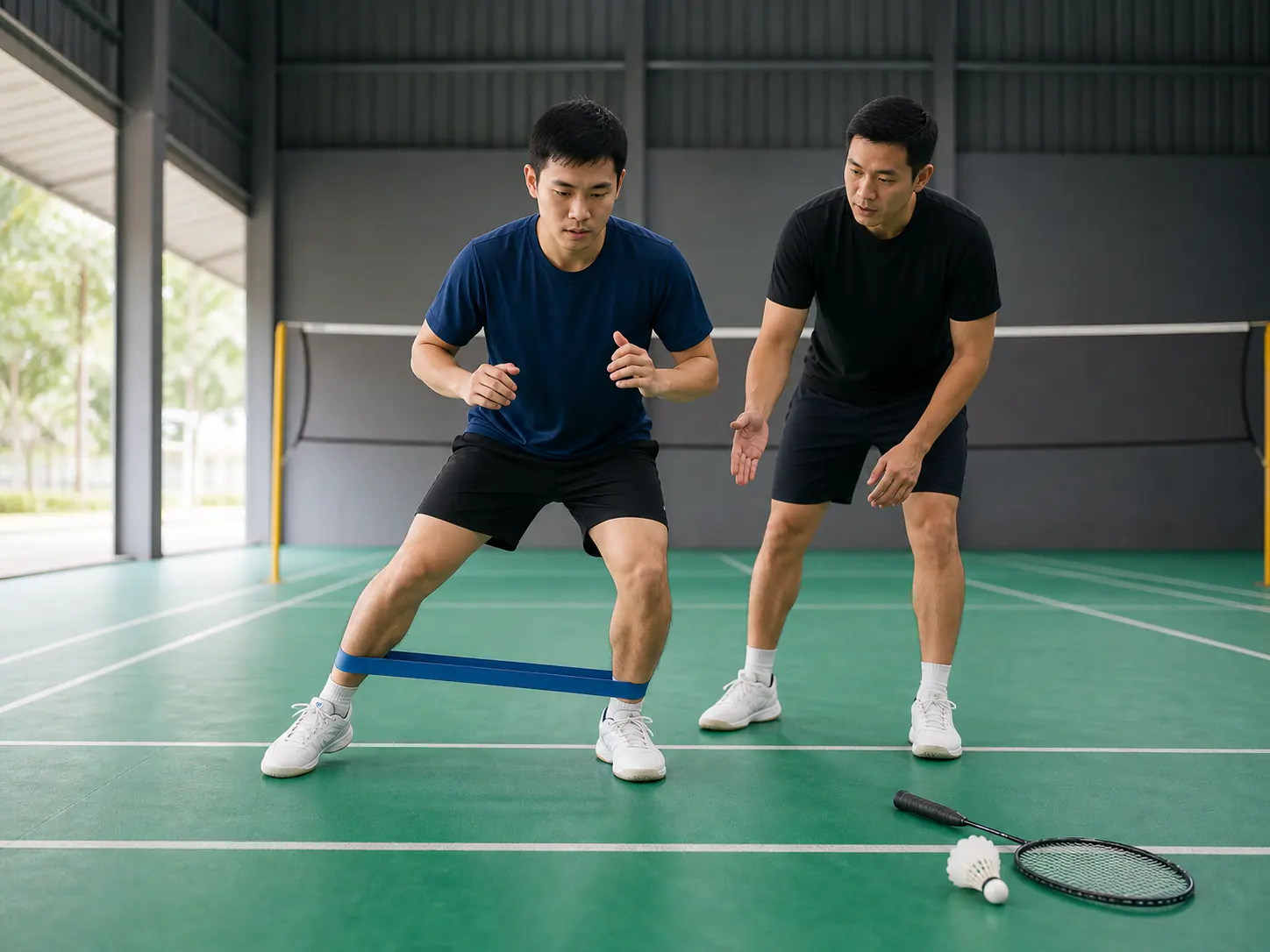
Badminton conditioning with a lateral resistance-band exercise

Trail running is a different animal from road running. The uneven ground, roots, rocks, steep climbs and technical descents ask far more of your legs, ankles and balance. Road runners who move to trails often find their fitness is fine but their ankles roll, their knees ache on the descents, and their legs give out on the climbs. Trail-specific conditioning bridges that gap.

We build the qualities the trail demands: climbing strength for the ups, eccentric control for the technical downs, and the ankle and single-leg stability to handle constantly changing ground. Whether you run the trails around Bukit Kiara, Gasing or further afield, prepared legs let you enjoy the terrain instead of tiptoeing through it fearing the next root.

How trails challenge the body differently

Unlike smooth road running, trails constantly change gradient and surface. Climbs demand strength-endurance, descents demand eccentric control and quick reactions, and every uneven step challenges your ankle stability and balance. Your stride is never the same twice, so your stabilising muscles work far harder than on the road.

The common issues are rolled ankles on technical ground, aching knees on steep descents, and legs that fade on long climbs. All three come from a lack of trail-specific strength and stability, not a lack of cardio.

What we assess and build

  • Climbing strength-endurance for sustained ups
  • Eccentric and downhill control for the descents
  • Ankle stability and balance for roots and rocks
  • Single-leg strength for uneven, changing ground

A sample conditioning progression

  1. Weeks 1-2: build ankle stability, balance and single-leg strength
  2. Weeks 3-4: add climbing strength and downhill control
  3. Weeks 5-6: reactive balance and technical movement drills
  4. Weeks 7-8: integrate strength with trail-specific running

Common mistakes and home alternatives

Road runners jump onto technical trails with road-conditioned ankles and get hurt. Others avoid descents rather than training them. At home, single-leg balance work, step-downs, calf and ankle strength, and wobble-surface drills build the stability the trail demands.

Frequently Asked Questions

I run on roads fine but roll my ankles on trails, why?+

Roads are predictable; trails are not. Uneven ground challenges ankle stability that road running never develops. We build ankle strength, balance and reactive control so your ankles handle roots and rocks safely.

My knees hurt on steep descents, can you help?+

Often, yes. Descending needs strong, controlled quads working as brakes. We build eccentric strength and downhill control so your muscles absorb the load, not your knees. Persistent or sharp knee pain should be checked first.

Do I need different training from road running?+

Yes. Trails add demands on strength, balance and ankle stability that road training ignores. We keep your running fitness but add the trail-specific qualities that keep you safe and strong on technical ground.

When should I see a professional?+

A badly rolled ankle that swells or will not bear weight, or knee pain that persists and alters your gait, needs a physio or doctor before you run on. We build conditioning around cleared, stable issues.

Continue exploring

Programmes

Low-Impact Training

Low-impact training builds strength and fitness without the jumping, pounding and jarring that bother sensitive joints. It suits heavier clients, older adults and anyone with cranky knees, hips or ankles, proving you can get genuinely fit while being kind to your body.

See what it includes →
Programmes

Sports Performance Programme

A sports performance programme develops the speed, strength, power and resilience your sport demands, whether that is football, badminton, running or cycling. We build a targeted plan around your sport and position, so you perform better on the pitch, court or road and break down less often.

See what it includes →
Goals

Improve Balance

Improving balance means training the strength, ankle control and quick reactions that keep you steady on your feet. We coach it progressively 1-to-1 so stairs, uneven pavements, wet floors and one-legged moments stop feeling risky, a foundation for confidence at any age.

See the coaching approach →
Goals

Recreational Sport Performance

Recreational sport performance training builds the strength, conditioning and resilience that make you better and more durable at the sport you love, futsal, badminton, tennis, running, hiking. We coach it 1-to-1 to complement your game, so you play harder and break down less.

See the coaching approach →
Assessments

Single-Leg Balance Test

The single-leg balance test times how long you can stand steadily on one leg. It reflects stability, ankle and hip control, and fall risk, especially with age. We do it safely with support nearby and track it as a fitness marker we can improve, not as a diagnosis of any condition.

See how it works →
Exercise Library

Bear Crawl

The bear crawl has you move on your hands and feet with your knees just off the floor. It builds full-body strength, core stability and coordination in one move, needs no equipment, and doubles as a challenging warm-up or conditioning drill for any level.

Learn the technique →

Ready for a more structured way to train?

Start with an assessment so we understand your level, goal, schedule and preferred training location.

The request opens WhatsApp; a time is confirmed only after we reply and agree it with you.

Request an assessment time Ask a question first