Skip to content

Private coaching options

Trainer Credentials and Continuing Education

Good coaching rests on real qualifications kept up to date. Your trainer holds recognised personal-training certification, current first-aid and CPR, and keeps learning through regular courses. We stay within a certified trainer's scope and refer out anything that belongs to a clinician.
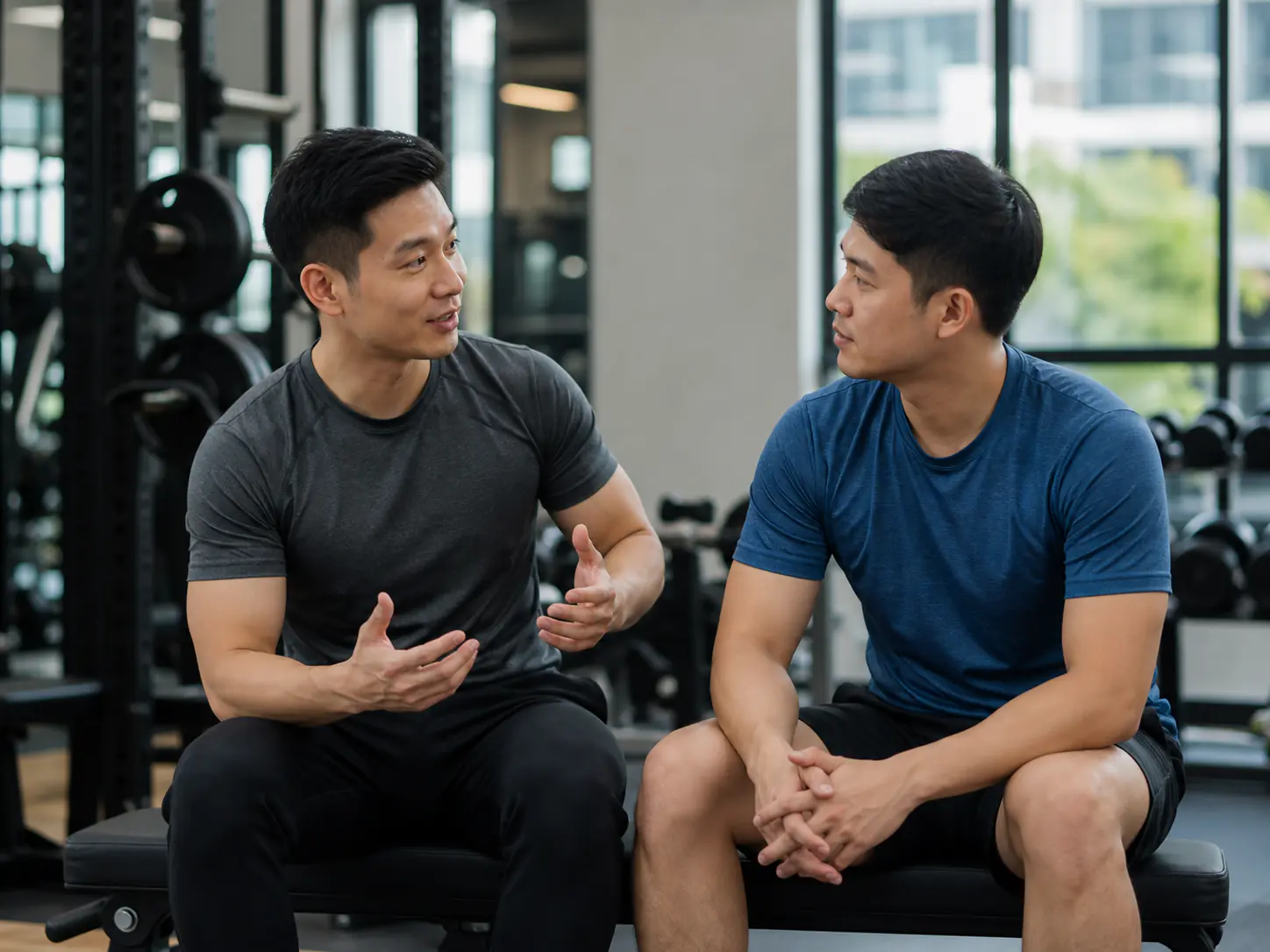
A trainer and client having a calm pre-session conversation

Anyone can call themselves a personal trainer, there is no law stopping it. That is exactly why credentials matter. A certificate is not a guarantee of great coaching, but it does show someone learned the fundamentals of anatomy, programming and safe progression rather than copying routines off the internet.

Just as important is what happens after the certificate. The field keeps learning, and a trainer who stopped studying in 2026 minus ten is coaching on outdated ideas. We invest in ongoing courses so the advice you get reflects current best practice, not fitness folklore from a decade ago.

What your trainer holds

  • Recognised personal-training certification
  • Current first-aid and CPR qualification
  • Coverage and insurance appropriate to the work
  • Ongoing course work in strength and coaching

Why continuing education matters

Exercise science genuinely moves on. What we understood about warm-ups, core training, stretching and recovery has shifted a lot over the years. A trainer who keeps studying can give you advice that holds up, and drop the myths that never worked.

It also keeps coaching safe. Refresher courses on screening, first aid and working with older or deconditioned clients mean we spot risks earlier and adjust plans more intelligently than someone coasting on an old qualification.

The limits of a fitness certification

A personal-training certificate qualifies us to coach exercise for healthy or cleared adults. It does not make us physiotherapists, doctors or dietitians. We are clear-eyed about that: injuries, diagnoses and medical nutrition sit outside our certification, and we refer those to the right professionals rather than pretend our qualification covers them.

How to check a trainer anywhere

  1. Ask what certification they hold and when they last renewed it
  2. Ask if they are first-aid and CPR current
  3. Ask how they handle an injury or medical red flag
  4. Notice whether they assess you before prescribing anything

Frequently Asked Questions

Which certification does the trainer have?+

A recognised personal-training qualification kept current, plus up-to-date first aid and CPR. We are happy to talk you through exactly what we hold when you come in for your assessment.

Does a certificate mean the coaching is good?+

It is a floor, not a ceiling. Qualifications prove the fundamentals were learned; experience and ongoing study are what turn that into good coaching. We invest in both.

Are you qualified to treat my injury?+

No. A fitness certification does not cover diagnosing or treating injuries. We coach cleared, stable issues and refer anything acute or undiagnosed to a physiotherapist or doctor.

Why does continuing education matter to me?+

Because it means your advice is current. A lot of old gym wisdom has been disproven. Ongoing learning keeps your programme safe, efficient and free of outdated myths.

Continue exploring

Programmes

Beginner Training

Beginner training is for people starting from zero, no gym background, no idea where to begin. We keep the first weeks simple, teach you the basic movements, and build the habit before adding intensity. No crowds, no jargon, no being left to figure it out alone.

See what it includes →
Assessments

Cardio Fitness Baseline

A cardio fitness baseline shows how your heart and lungs cope with light-to-moderate effort at the start. We measure it gently, never all-out, so we can set safe conditioning intensities and track improvement. It is a fitness marker, not a heart diagnosis; anything concerning gets referred first.

See how it works →
Assessments

Fitness vs Clinical Assessment

A fitness assessment sets a safe starting point for training, mapping strength, stamina and movement. A clinical assessment diagnoses injuries and medical conditions, and only qualified healthcare professionals do that. We do the first, never the second, and refer you on the moment something needs a doctor or physio.

See how it works →
Programmes

Weight-Loss Training

Weight-loss training combines strength work, sensible conditioning and realistic food habits so you lose fat while keeping the muscle that keeps you toned. No crash diets, no punishing cardio, just a sustainable plan built around your body, your schedule and Malaysian food.

See what it includes →
Goals

Sustainable Weight Loss

Sustainable weight loss means losing weight at a pace you can hold and keeping it off for years, not weeks. We skip crash diets and build habits, steady eating, regular strength work and daily movement, coached 1-to-1 so the plan survives real life, festivals and travel.

See the coaching approach →
Who We Help

Personal Training for Overweight Beginners

Starting out while carrying extra weight brings real worries: sore joints, feeling judged, and not knowing where to begin. This is patient, joint-friendly, completely private coaching that starts gently, protects your knees and back, and builds sustainable results without shame. At home or our Putra Heights centre.

See how coaching adapts →

Ready for a more structured way to train?

Start with an assessment so we understand your level, goal, schedule and preferred training location.

The request opens WhatsApp; a time is confirmed only after we reply and agree it with you.

Request an assessment time Ask a question first