Skip to content

Training towards a clear goal

Improve Mobility and Move Freely Again

Improving mobility means owning a fuller, more controlled range of motion in your joints, not just being loosely flexible, but strong through that range. We coach it 1-to-1 with drills and loaded movement so squatting, reaching and turning stop feeling tight or restricted.
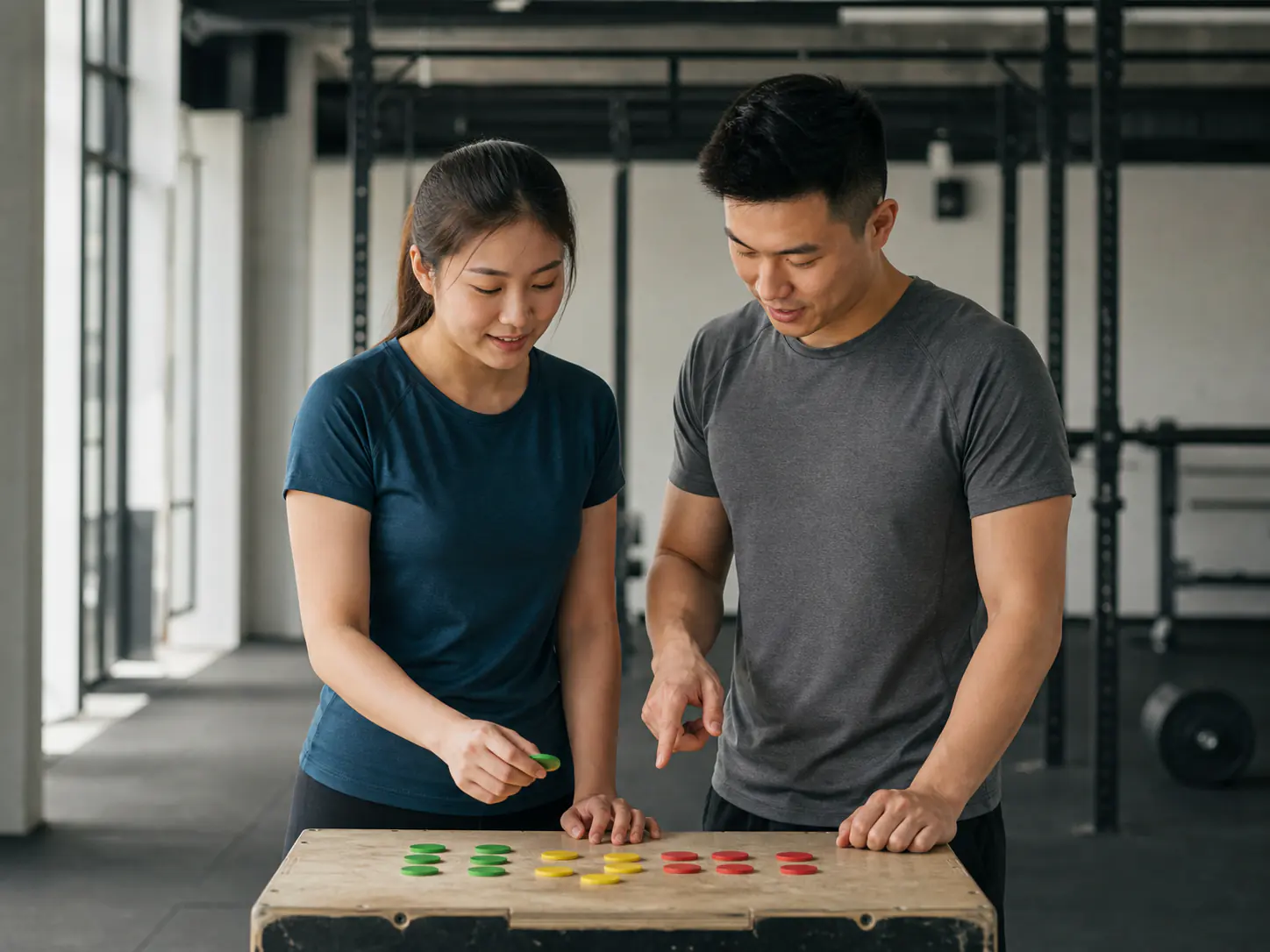
A trainer and client reviewing progress toward a fitness goal

Mobility is how well you can move a joint under control through its full range, squatting to the floor, reaching overhead, twisting to check your blind spot. It is different from flexibility, which is just passive length. Real mobility is flexibility you can actually use with strength, and it is what keeps you moving easily as the years add up.

Years of sitting, driving through KL traffic and hunching over phones quietly shrink your range until stiff hips, tight shoulders and a cranky lower back feel normal. The good news is mobility responds quickly to the right work. Coached 1-to-1, we target your specific stiff spots and train strength through the new range so it sticks.

Mobility versus flexibility

Flexibility is how far a joint can be stretched passively. Mobility is how far you can actively move it with control and strength. Chasing only flexibility can leave you loose but unstable; we build both so your range is usable and safe.

  • Flexibility: passive length in a muscle
  • Mobility: active, controlled range you can use
  • We load the new range so it holds under real movement
  • Result: you move freely without feeling fragile

Common areas we free up

  • Hips: deep squats, sitting cross-legged, stairs
  • Shoulders: reaching overhead, putting on a seatbelt
  • Ankles: squatting, walking downhill, balance
  • Upper back: turning, posture, breathing fully

How we measure progress

We retest simple movements, a squat depth, an overhead reach, a rotation, and photograph or note them so you can see the range grow. It is motivating to watch a movement you could not do become easy within weeks.

A realistic timeline

Many people feel looser after the very first session from the drills alone, but lasting change comes from strengthening the new range. Expect clear, retained improvements in your problem joints over four to eight weeks of consistent, targeted work.

Frequently Asked Questions

Is this the same as stretching?+

Stretching is part of it, but not all. Passive stretching alone rarely holds. We add strength work through the new range so your body keeps the mobility instead of tightening back up within days.

Can mobility work help my stiff lower back?+

Often, yes, many stiff backs improve when the hips and upper back move better. But we work as fitness coaches, not clinicians. If your back pain is sharp, spreading or medically flagged, we ask you to get cleared first, then support you with exercise.

I sit at a desk all day, where do I start?+

Usually the hips, upper back and shoulders, which take the brunt of sitting. We assess where you are actually restricted and prioritise those, rather than giving you a generic stretch sheet.

Do I need to be flexible already to start?+

No. Stiff people benefit the most. We meet your current range and build from there, so being tight now is exactly why it is worth starting.

Continue exploring

Programmes

Mobility Training

Mobility training restores the range of motion desk life and age quietly take away, stiff hips, tight shoulders, a locked-up back. We coach controlled movement through full ranges so you squat deeper, reach higher and move without that stiff, creaky feeling.

See what it includes →
Assessments

Mobility Assessment

A mobility assessment looks at how freely your joints move, hips, shoulders, ankles, spine. It is not a diagnosis of a problem; it shows us which ranges are safe to load and which to open up gradually. For desk-bound Klang Valley bodies, it usually explains a lot about why certain movements feel tight.

See how it works →
Senior Fitness

Mobility for Older Adults

Mobility training for older adults improves how freely your joints move, easing the stiffness that makes daily tasks harder. A trainer works on hips, shoulders, spine and ankles with gentle, controlled movement, at our Putra Heights centre or your home.

See how coaching adapts →
Programmes

Core Training

Core training builds the deep trunk muscles that stabilise your spine, protect your back and transfer force between your upper and lower body. It is about a strong, functional midsection that supports everything you do, not just chasing visible abs with endless crunches.

See what it includes →
Assessments

Beginner Fitness Assessment

A beginner fitness assessment is a gentle first session where we map where you are starting from, movement, strength, stamina and goals. No fitness is needed to take it. It sets a safe, realistic starting point, not a diagnosis, and turns "I don't know where to begin" into a clear first plan.

See how it works →
Why KinesioFitness

Assessment-Led Coaching

Assessment-led coaching means we test before we prescribe. Before your first real workout we screen how you move, what you can lift, your history and your schedule, then build a plan on facts, not a template. It is the single biggest reason our clients progress safely.

Compare this option →

Ready for a more structured way to train?

Start with an assessment so we understand your level, goal, schedule and preferred training location.

The request opens WhatsApp; a time is confirmed only after we reply and agree it with you.

Request an assessment time Ask a question first