Skip to content

Exercise technique guide

How to Do a Face Pull

The face pull has you pull a rope or band toward your face while flaring your elbows out. It strengthens the rear shoulders and upper back, muscles that keep shoulders healthy and balanced against all the pressing Many people do. A key shoulder-care exercise.
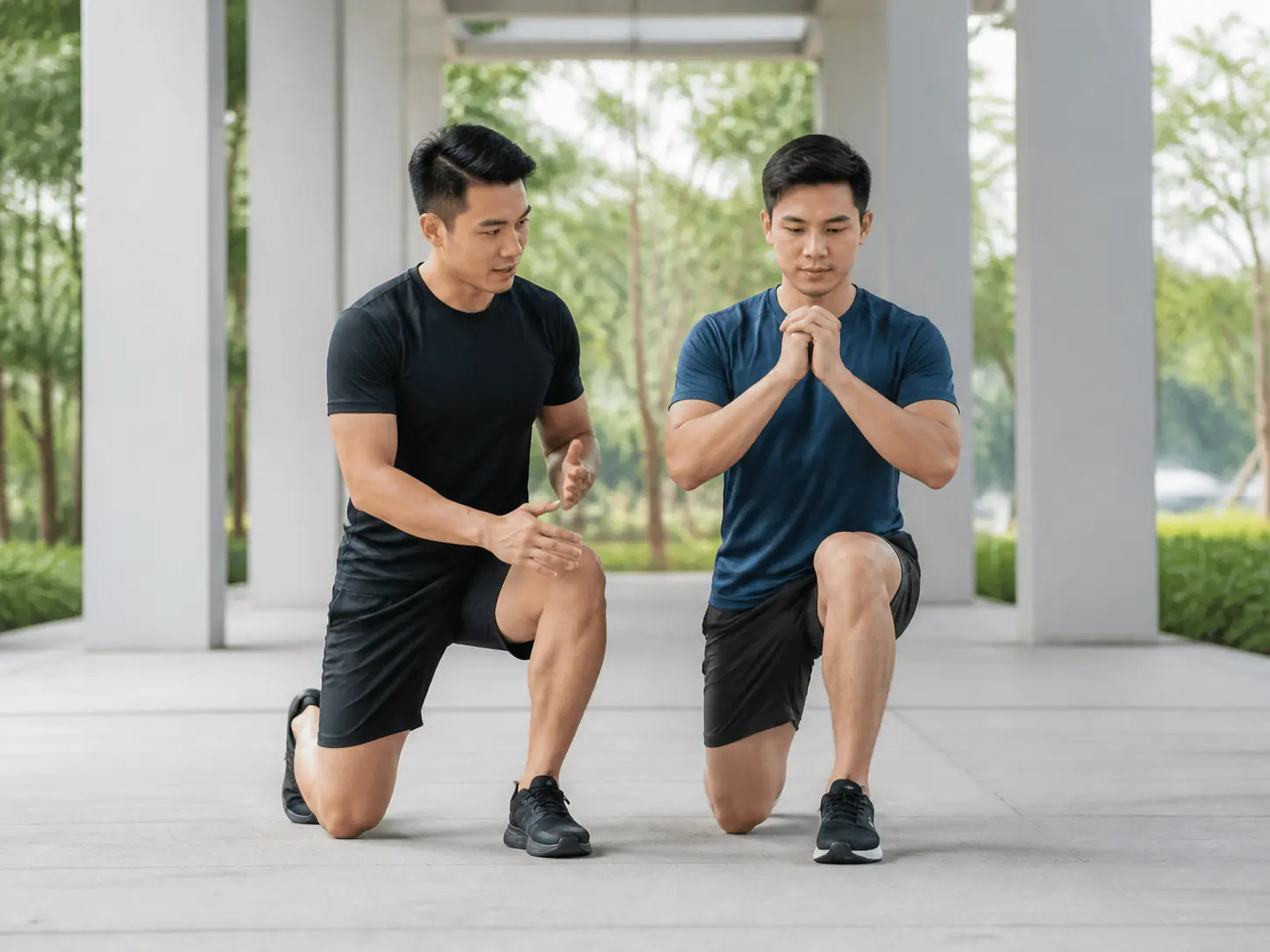
A trainer demonstrating controlled split-squat technique

Many people bench and press far more than they pull to their face, and that imbalance can leave shoulders cranky over time. The face pull fixes it, strengthening the rear shoulders and upper back that keep the shoulder joint healthy and balanced.

A band or a cable with a rope works, so it fits home or our Putra Heights centre. We program it often for anyone who presses a lot, because a few sets keep shoulders resilient and posture upright.

What it trains and who it suits

It targets the rear shoulders and upper back muscles that externally rotate and stabilise the shoulder. It suits anyone who does a lot of pressing, desk workers, and people wanting healthier shoulders.

Because it balances all the pushing most training involves, it is a smart insurance exercise for long-term shoulder health.

Step-by-step cues

  1. Set a rope or band at about face height
  2. Grip it and step back until there is tension
  3. Pull toward your face, leading with the elbows high
  4. Flare your hands out beside your ears at the end
  5. Squeeze the rear shoulders, then return with control

Common mistakes and quick fixes

  • Pulling too low to the chest, aim for your face, elbows high
  • Using too heavy a load, go lighter for clean form
  • Shrugging the traps up, keep the shoulders down
  • Rushing, pause and squeeze at the end of each rep

Regressions, progressions and when to stop

Too hard? Use a lighter band and a smaller range. Too easy? Add resistance, pause at the squeeze, or increase reps. At home a band over a door anchor works; at our centre we use the cable with a rope attachment.

  • Stop if you feel sharp shoulder pain rather than rear-shoulder effort
  • See a professional if your shoulder pinches at the top of the pull

Frequently Asked Questions

Why are face pulls good for the shoulders?+

They strengthen the rear shoulders and upper back that balance all your pressing, help external rotation, and support a healthy, stable shoulder joint over the long term.

Where should I pull to?+

Toward your face, with your elbows high and your hands finishing beside your ears. Pulling low to the chest turns it into a row and misses the target muscles.

How heavy should I go?+

Lighter than you think. Face pulls work best with clean form and a good squeeze, not heavy weight. If you shrug or lose control, reduce the load.

Can I do face pulls at home?+

Yes. Loop a resistance band over a door anchor or sturdy post at face height and pull toward your face. It targets the same muscles as the cable version.

Continue exploring

Programmes

Upper-Body Strength

Upper-body strength training develops your chest, back, shoulders and arms through balanced pushing and pulling. Done right, it improves your posture, makes daily lifting and carrying easier, and builds the shape Many people associate with looking fit and capable.

See what it includes →
Programmes

Balance Training

Balance training strengthens the muscles, reflexes and coordination that keep you steady, on stairs, wet bathroom tiles, uneven pavements. Whether you feel a bit unsteady or just want to move with confidence, we build your stability step by step in a safe, supported setting.

See what it includes →
Why KinesioFitness

How We Keep You Consistent

Consistency, not intensity, is what changes bodies, and it is the thing Many people struggle with alone. We keep you consistent with booked sessions someone expects you at, simple check-ins, a plan that fits your real week, and honest support when motivation dips. Showing up is the whole game.

Compare this option →
Goals

Fix Your Posture

Fixing posture is less about standing straighter on command and more about building the strength and mobility to hold a good position without effort. We coach that 1-to-1, opening tight areas from desk life and strengthening the muscles that keep you upright all day.

See the coaching approach →
Goals

Healthy Ageing

Healthy ageing through exercise means protecting the muscle, bone, balance and mobility that keep you independent as the years pass. We coach a safe, progressive plan 1-to-1 after any needed medical clearance, so you stay strong and active rather than slowly losing capacity.

See the coaching approach →
Weight Loss

How Fast Can You Lose Fat Safely

A safe, sustainable fat-loss rate is roughly 0.5 to 1 percent of your bodyweight a week. Faster than that usually costs you muscle, energy and the ability to keep it off. Heavier people can lose faster at first; leaner people should go slower. Patience protects your results.

See the coaching approach →

Want help applying this guide to your own training?

Private coaching adapts exercise choice, loading and progression to your level, equipment and goal.

Ask a question first Request an assessment time