Skip to content

Exercise technique guide

How to Do an Incline Treadmill Walk

The incline treadmill walk has you walk uphill on a treadmill. Adding incline turns easy walking into effective cardio that also strengthens the legs and glutes, all with far less joint impact than running. It suits almost everyone and is easy to scale by speed or incline.
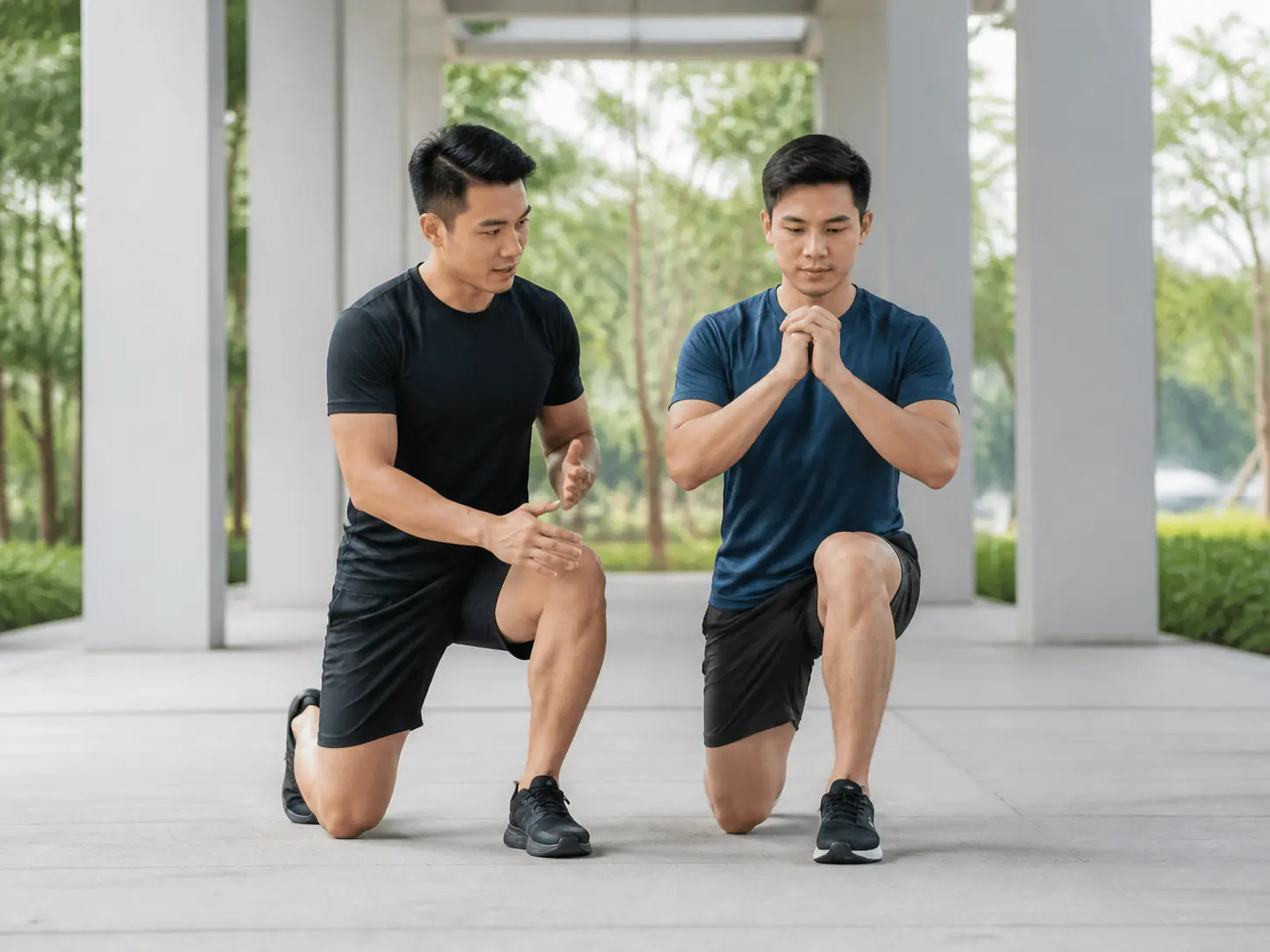
A trainer demonstrating controlled split-squat technique

Walking uphill is one of the most underrated ways to get fit. The incline treadmill walk raises your heart rate and works your legs and glutes hard, yet it is gentle on the knees and hips compared with running, making it accessible to almost anyone.

It needs a treadmill, so it lives at our Putra Heights centre, though any hilly route outdoors gives a similar effect. It is a great low-impact cardio option for fat loss, fitness, and building leg endurance.

What it trains and who it suits

It builds cardio fitness and endurance in the legs and glutes with low joint impact. It suits beginners, older adults, people managing their weight, and anyone wanting cardio that is easier on the joints than running.

Because you adjust speed and incline, it scales from a gentle walk to a lung-burning effort, suiting a huge range of fitness levels.

How to do it well

  • Set a moderate incline and a pace you can sustain
  • Stand tall and avoid hunching over the console
  • Let your arms swing naturally rather than gripping the rails
  • Drive through your whole foot with each step
  • Breathe steadily and keep an effort you can hold

Common mistakes and quick fixes

  • Holding the handrails hard, let go for a real workout
  • Leaning back into the incline, stay tall and lean slightly forward
  • Setting the incline too high too soon, build up gradually
  • Walking on your toes, drive through the whole foot

Adjusting, progressing and when to stop

Easier? Lower the incline and slow the pace. Harder? Raise the incline, speed up, or extend the time. This lives at our centre, but any hill or slope outdoors gives a similar low-impact cardio and leg workout.

  • Stop if you feel sharp knee, hip or chest pain rather than breathlessness
  • See a professional if you get chest pain or severe dizziness during effort

Frequently Asked Questions

Is incline walking better than running?+

For many people, yes, because it delivers strong cardio and leg work with far less joint impact than running. It is a great option if running bothers your knees or hips.

Should I hold the handrails?+

No, if you can safely let go. Holding on reduces the effort and the benefit. Use them only briefly for balance, and aim to walk hands-free for a real workout.

How steep and fast should I go?+

Start with a moderate incline and a pace you can sustain while breathing hard but not gasping. Build the incline, speed or time gradually as your fitness improves.

Can incline walking help with fat loss?+

Yes. It burns plenty of energy while being easy to sustain and gentle on the joints, so it fits well into a fat-loss plan alongside strength training and sensible eating.

Continue exploring

Programmes

Sports Performance Programme

A sports performance programme develops the speed, strength, power and resilience your sport demands, whether that is football, badminton, running or cycling. We build a targeted plan around your sport and position, so you perform better on the pitch, court or road and break down less often.

See what it includes →
Programmes

Walking Fitness Programme

A walking fitness programme uses the most accessible exercise there is, walking, structured properly to improve your fitness, help fat loss and support your joints. Paired with light strength work, it is a gentle, sustainable entry point that suits almost everyone.

See what it includes →
Weight Loss

Steps and NEAT for Fat Loss

NEAT is all the energy you burn outside exercise, walking, standing, chores, fidgeting, and for Many people it burns far more than the gym does. Raising your daily steps is one of the easiest, lowest-fatigue ways to lose fat, especially for desk-bound Klang Valley life.

See the coaching approach →
Health & Exercise

Low-Impact Options for Sensitive Joints

If your joints are sensitive and your doctor has cleared you, low-impact training builds strength and fitness without the jarring that aggravates sore knees, hips or backs. We coach controlled, joint-friendly options and adjust to how you feel. This is general fitness coaching, not treatment for a joint problem.

Read the suitability guide →
Goals

Fix Your Posture

Fixing posture is less about standing straighter on command and more about building the strength and mobility to hold a good position without effort. We coach that 1-to-1, opening tight areas from desk life and strengthening the muscles that keep you upright all day.

See the coaching approach →
Goals

Recreational Sport Performance

Recreational sport performance training builds the strength, conditioning and resilience that make you better and more durable at the sport you love, futsal, badminton, tennis, running, hiking. We coach it 1-to-1 to complement your game, so you play harder and break down less.

See the coaching approach →

Want help applying this guide to your own training?

Private coaching adapts exercise choice, loading and progression to your level, equipment and goal.

Ask a question first Request an assessment time