Skip to content

Practical fitness guide

Futsal Nights and Staying Injury-Free

Weekly futsal is fun and social, but going from a sedentary week to all-out sprinting and turning is how players pull hamstrings and roll ankles. A little conditioning and strength work builds the speed and durability the game needs, so you play well and stay off the injury list.
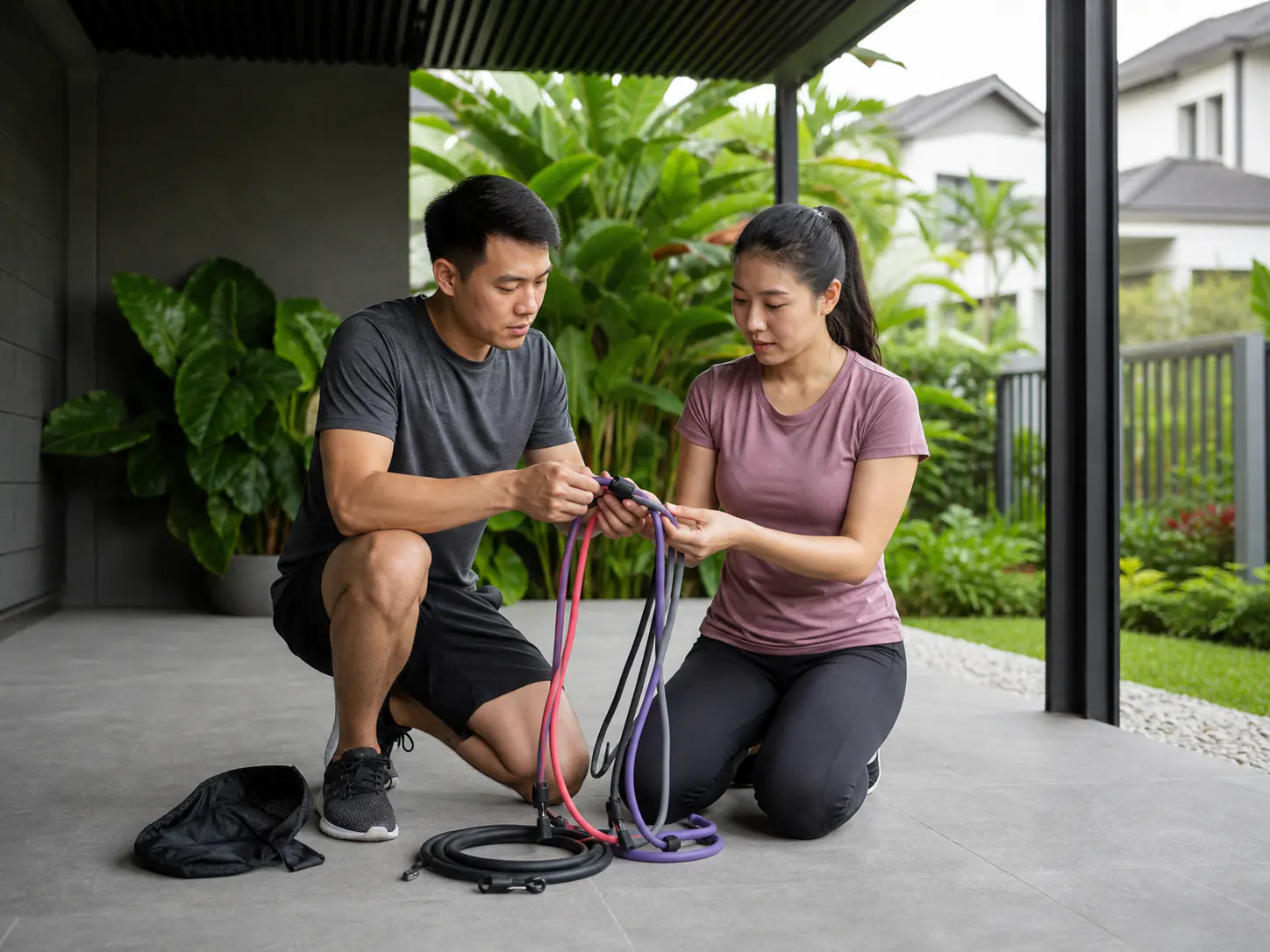
Fitness preparation on a shaded Klang Valley residential terrace

Booking a futsal court with the group is a weekly ritual across KL and Selangor. It is fast, competitive, sociable and a genuinely good sweat. But it is also where a lot of office workers get hurt, because the format is punishing: repeated sprints, hard stops, sharp turns and the odd tackle, all performed by bodies that spent the previous five days sitting at a desk.

The classic futsal injuries, pulled hamstrings, rolled ankles, tweaked knees, almost always come from that contrast between a sedentary week and an all-out game. A bit of conditioning and strength work through the week prepares your body for those explosive demands, so you keep up with the pace, play at your best, and walk off the court fine instead of limping.

Why futsal catches players out

Futsal packs constant sprints, sudden stops and sharp changes of direction into a small court, with little rest. It is far more explosive than a jog. When the only exercise you do all week is that one hard game, your muscles and joints are cold and unprepared, which is exactly the setup for a strain or a roll.

Conditioning that keeps you sharp

  • Hamstring and glute strength to survive repeated sprints
  • Ankle and knee stability for hard stops and turns
  • Some interval conditioning so you last the whole game
  • A proper warm-up before every session, never skipped

Protecting the hamstrings and ankles

Hamstring pulls and rolled ankles are the two injuries that end futsal seasons. Both are far less likely with stronger, better-prepared muscles and joints. Building hamstring and glute strength and training ankle stability through the week turns your body into one that can handle sudden sprints and cuts without breaking down.

Fitting training around game night

One or two short sessions a week, placed so you are fresh for your game, are enough to transform how you play and how you feel afterwards. We build the plan around your futsal schedule, focusing on the exact qualities the game demands, so the sport stays fun instead of leaving you injured every few months.

Frequently Asked Questions

Why do I keep getting injured playing futsal?+

Usually because a sedentary week leaves your muscles cold for an explosive game. Repeated sprints and sharp turns strain unprepared bodies. Conditioning and strength work through the week, plus a proper warm-up, dramatically cut that risk.

Is futsal once a week enough exercise?+

It is a great workout but hard on the body, and one intense game a week is not enough to prepare you for the game itself. Adding light conditioning and strength work keeps you faster, fitter and much less injury-prone.

How do I stop pulling my hamstring?+

Hamstring pulls in futsal usually come from weak, underprepared muscles hitting a sudden sprint cold. Building hamstring and glute strength plus always warming up properly helps a lot. If you keep tearing it, get it checked by a physio.

What training helps my futsal game?+

Hamstring and glute strength for sprints, ankle and knee stability for turns, and some interval conditioning so you last the game. We build a short plan around these, timed so you are fresh on the court, not sore.

Continue exploring

Goals

Recreational Sport Performance

Recreational sport performance training builds the strength, conditioning and resilience that make you better and more durable at the sport you love, futsal, badminton, tennis, running, hiking. We coach it 1-to-1 to complement your game, so you play harder and break down less.

See the coaching approach →
Why KinesioFitness

How We Measure Progress

We measure progress with more than a bathroom scale. We track your strength numbers, key body measurements, photos, and how you move and feel week to week. Real progress shows up across several markers, and seeing it in data is what keeps clients going when motivation dips.

Compare this option →
Programmes

Functional Fitness

Functional fitness trains your body for the things you actually do, carrying shopping up to the condo, picking a child off the floor, twisting to reach the back seat. We build strength, stability and mobility in real movement patterns, not isolated machine work, so daily life gets easier.

See what it includes →
Why KinesioFitness

How We Keep You Consistent

Consistency, not intensity, is what changes bodies, and it is the thing Many people struggle with alone. We keep you consistent with booked sessions someone expects you at, simple check-ins, a plan that fits your real week, and honest support when motivation dips. Showing up is the whole game.

Compare this option →
Personal Training

Trainer-Provided Equipment

You do not have to own any equipment to train at home. We bring the dumbbells, bands, mat and tools your session needs, coach the workout, then take everything away. All you provide is a bit of clear floor space and yourself, ready to work.

Compare this option →
Programmes

Weight-Loss Training

Weight-loss training combines strength work, sensible conditioning and realistic food habits so you lose fat while keeping the muscle that keeps you toned. No crash diets, no punishing cardio, just a sustainable plan built around your body, your schedule and Malaysian food.

See what it includes →

Want help applying this guide to your own training?

Private coaching adapts exercise choice, loading and progression to your level, equipment and goal.

Ask a question first Request an assessment time