Skip to content

Practical fitness guide

How Important Is Sleep For Your Fitness Results?

Sleep is when your body recovers from training, rebuilds muscle and restores energy. Poor sleep blunts strength gains, worsens recovery, and increases hunger and fatigue. It is one of the most powerful and underrated tools for fitness. Protecting your sleep often does more than adding another workout.
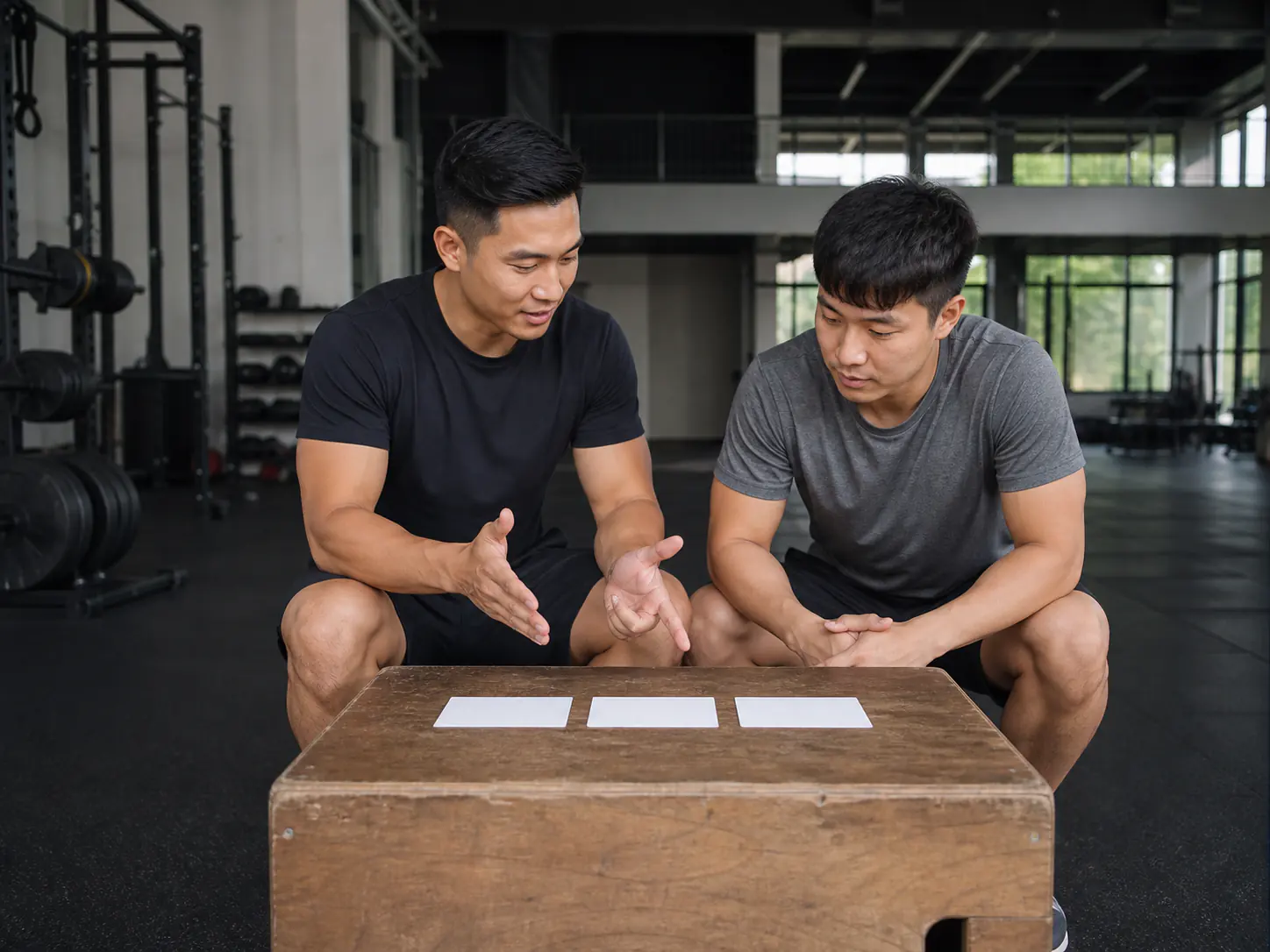
A trainer explaining a practical fitness guide

People obsess over the perfect programme and supplements while treating sleep as optional. That is backwards. Your body does not get fitter during the workout, it gets fitter afterwards, while recovering, and most of that happens during sleep. Skimp on sleep and you blunt the very adaptations you trained hard to earn.

This matters even more when life is busy and stressful, which describes most working adults in KL and Selangor. You cannot always control your schedule, but improving your sleep is one of the highest-return changes you can make. Here is why it matters so much and simple ways to get more and better sleep.

What sleep does for training

During sleep your body repairs muscle, restores energy stores, balances the hormones involved in recovery and appetite, and sharpens your focus and coordination. Skimp on it and your strength, recovery, mood and even hunger all suffer. A well-rested body simply gets more out of the same training.

  • Repairs and rebuilds muscle after training
  • Restores energy for your next session
  • Balances hormones that affect recovery and appetite
  • Sharpens focus, coordination and mood

What poor sleep costs you

Run short on sleep and your lifts feel heavier, recovery slows, motivation drops, and hunger and cravings rise, making both training and eating well harder. Chronic poor sleep can quietly cancel out a lot of good gym work. It is often the hidden reason behind a stubborn plateau or constant fatigue.

Simple ways to sleep better

You do not need perfection. Keep a fairly regular bedtime, wind down without bright screens for a while before bed, keep the room cool and dark, and go easy on late caffeine and heavy late meals. In our climate, a cool, dark room makes a real difference to sleep quality.

Protecting your sleep

  1. Aim for a fairly consistent sleep and wake time
  2. Give yourself a wind-down period before bed
  3. Keep the bedroom cool, dark and quiet
  4. Limit late caffeine and heavy meals near bedtime
  5. Treat sleep as part of your training, not an afterthought

Frequently Asked Questions

How much sleep do I need for fitness?+

Most adults do best with around seven to nine hours, though needs vary. Rather than chasing a magic number, notice how you feel and perform. If you are constantly tired and recovering poorly, more and better sleep is often the fix.

Can I out-train bad sleep?+

Not really. Poor sleep blunts recovery and strength gains no matter how hard you train. In fact, more training on top of poor sleep often makes things worse. Fixing sleep frequently helps more than adding another session.

Does one bad night ruin progress?+

No. The occasional poor night is normal and your body copes fine. It is chronic, ongoing sleep debt that quietly harms recovery and results. Aim for consistency over time rather than stressing about any single night.

Should I skip training if I slept badly?+

Not necessarily. A lighter, easier session can still be worthwhile after a bad night. Just do not chase personal bests when exhausted, and prioritise catching up on sleep. Listen to your body and adjust the intensity down.

Continue exploring

Programmes

Strength for Men Over 40

Strength training for men over 40 rebuilds the muscle, energy and shape that slip away in your 40s and 50s, using a smart, joint-friendly approach that fits a busy life. It is not about training like you did at 25, but training better than you ever did.

See what it includes →
Personal Training

How Often Should I Train?

For Many people, two personal training sessions a week is the sweet spot, enough to progress steadily while recovering well, with simple homework in between. The right number depends on your goal, your recovery and your schedule, which is why we set it after your assessment.

Compare this option →
Why KinesioFitness

Why 1-to-1 Beats Group

In a group class the coach splits attention across a room and the workout is one-size-fits-all. In 1-to-1 training, every minute, every cue and the entire plan is built around you. That is why 1-to-1 produces faster, safer results, especially for beginners and anyone with a niggle.

Compare this option →
Weight Loss

Build Muscle While Losing Fat

Building muscle while losing fat is possible if you get three things right: eat enough protein, train strength progressively, and keep the calorie deficit modest. It works best for beginners and returners, is slower than one goal alone, and needs measuring beyond the scale.

See the coaching approach →
Weight Loss

Steps and NEAT for Fat Loss

NEAT is all the energy you burn outside exercise, walking, standing, chores, fidgeting, and for Many people it burns far more than the gym does. Raising your daily steps is one of the easiest, lowest-fatigue ways to lose fat, especially for desk-bound Klang Valley life.

See the coaching approach →
Personal Training

Morning vs Evening Training

Neither morning nor evening is universally better for training, the best time is the one you will consistently keep. Both have real pros and cons around energy, KL traffic and heat. We help you pick a slot that fits your body clock and survives a normal week.

Compare this option →

Want help applying this guide to your own training?

Private coaching adapts exercise choice, loading and progression to your level, equipment and goal.

Ask a question first Request an assessment time