Skip to content

Practical fitness guide

Joint-Friendly Training: Building Strength Without The Aches

Joint-friendly training builds strength while minimising stress on sensitive joints, using controlled movements, sensible loads, a full but pain-free range, and good technique. It suits older trainees, those returning from a break, and anyone with cranky joints. Strength training done well often helps joints rather than harming them.
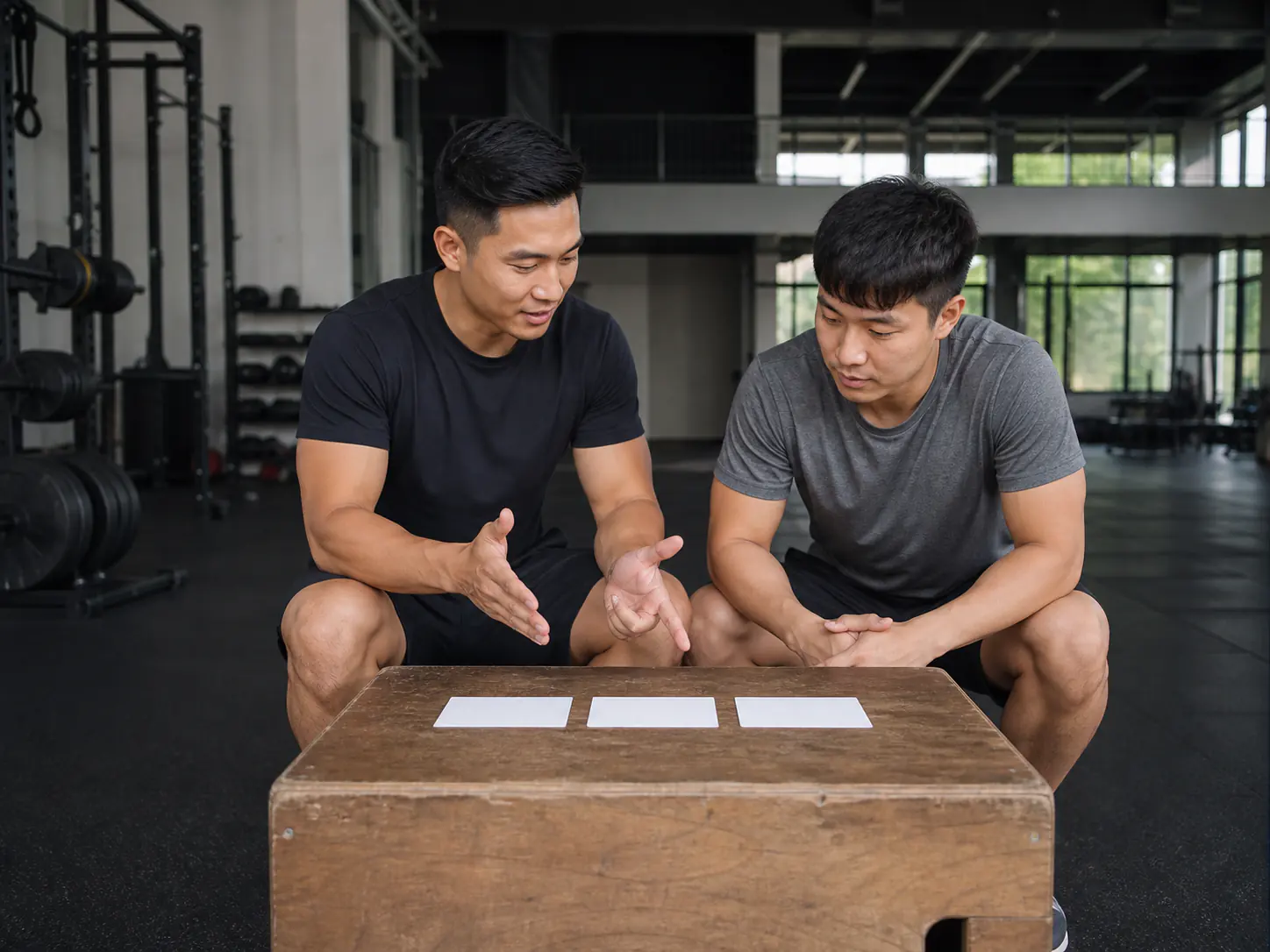
A trainer explaining a practical fitness guide

Achy knees, cranky shoulders and a temperamental lower back put many people off training, for fear that exercise will make things worse. In reality, strength training done sensibly often helps your joints rather than harming them, by building the muscle that supports and protects them. The key is training in a joint-friendly way that avoids unnecessary stress.

This does not mean avoiding effort or coddling yourself. It means choosing movements, loads and ranges that challenge your muscles without aggravating your joints. It suits older trainees, those returning after a break, and anyone with sensitive joints. This guide covers how to build strength comfortably, with the reminder to see a professional for real pain.

What makes training joint-friendly

Joint-friendly training uses controlled movements, sensible loads you can handle with good form, and a range of motion that is full but pain-free. It avoids jerky, uncontrolled or excessively heavy work that stresses sensitive joints. Machines and certain exercise variations can also reduce joint strain while still challenging the muscles.

  • Controlled movements, not jerky or uncontrolled ones
  • Sensible loads you can handle with good form
  • A full but pain-free range of motion
  • Variations and machines that ease joint stress

Why strength training helps joints

Strong muscles around a joint support and stabilise it, often reducing aches over time rather than causing them. Done sensibly, strength training is one of the best things for joint health and comfort as you age. The idea that lifting inevitably wears out your joints is a myth for Many people training properly.

Who benefits most

Joint-friendly training suits older adults, people returning after a long break, and anyone with sensitive or previously grumpy joints. It lets you build strength and confidence without flare-ups. If you have arthritis or a diagnosed joint condition, though, work with your doctor or physiotherapist alongside any training.

Training joint-friendly

  1. Warm up thoroughly before loading your joints
  2. Use controlled movements and sensible, manageable loads
  3. Work through a full but pain-free range of motion
  4. Choose variations or machines that feel comfortable
  5. See a doctor or physio for genuine joint pain

Frequently Asked Questions

Will lifting weights damage my joints?+

For Many people training sensibly, no. Strength training builds the muscle that supports and protects your joints, often reducing aches over time. The idea that lifting inevitably wears out your joints is a myth. Use good technique, sensible loads and a pain-free range.

Can I train with cranky joints?+

Often yes, using a joint-friendly approach: controlled movements, sensible loads, a pain-free range and comfortable variations. Many people find their joints feel better as they get stronger. For diagnosed conditions or real pain, work with a doctor or physiotherapist first.

What exercises are easiest on the joints?+

Controlled movements with sensible loads, done through a pain-free range, tend to be joint-friendly. Machines and certain variations can reduce strain on sensitive joints while still working the muscles. The right choices depend on you; a good trainer can help you find them.

Should I stop training if my joints ache?+

Mild, temporary aches may just need a gentler approach, but sharp, persistent or worsening joint pain is a signal to stop and get it assessed. We coach fitness, not medicine, so for genuine joint pain, see a doctor or physiotherapist rather than pushing through.

Continue exploring

Programmes

Low-Impact Training

Low-impact training builds strength and fitness without the jumping, pounding and jarring that bother sensitive joints. It suits heavier clients, older adults and anyone with cranky knees, hips or ankles, proving you can get genuinely fit while being kind to your body.

See what it includes →
Programmes

Strength for Men Over 40

Strength training for men over 40 rebuilds the muscle, energy and shape that slip away in your 40s and 50s, using a smart, joint-friendly approach that fits a busy life. It is not about training like you did at 25, but training better than you ever did.

See what it includes →
Personal Training

60-Minute Sessions

A 60-minute session is the full-length format: a thorough warm-up, the main strength work with time to coach technique carefully, and a finisher or mobility piece. It suits people who want steady, well-rounded progress and are not racing the clock during the session.

Compare this option →
Goals

Run Your First 5K

Running your first 5K is a beginner-friendly goal built on a gradual run-walk progression that grows your endurance without wrecking your joints. We coach it 1-to-1, including strength to keep you injury-free and pacing that works in KL's heat, until you run the full distance.

See the coaching approach →
Weight Loss

Beginner Weight-Loss Training

Beginner weight-loss training starts from the assumption that you have done nothing for years. We teach a handful of basic movements well, keep the intensity honest, and pair it with one or two food habits, so you lose fat steadily without pain, injury or confusion.

See the coaching approach →
Personal Training

Centre-Based Personal Training

Centre-based coaching gives you access to the Putra Heights training space, a wider equipment range and one-to-one guidance without relying on a busy commercial gym floor. It suits beginners who want a calm place to learn and clients who need heavier equipment to progress.

Compare this option →

Want help applying this guide to your own training?

Private coaching adapts exercise choice, loading and progression to your level, equipment and goal.

Ask a question first Request an assessment time