Skip to content
nav.senior-fitness

Returning to Strength After Knee Rehabilitation in KL & Selangor

In short

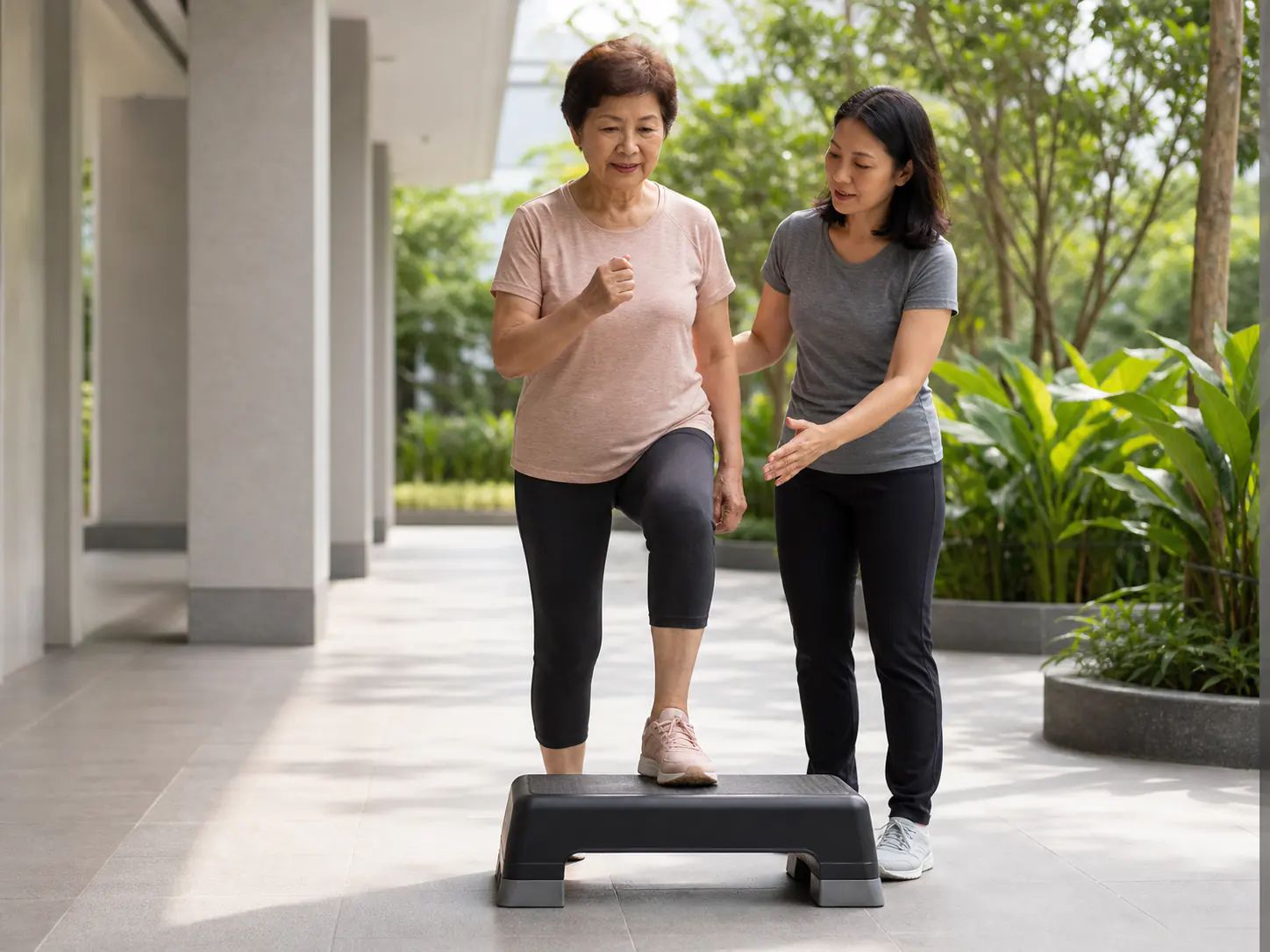
Returning after knee rehabilitation means rebuilding strength and confidence in a knee that has been treated and cleared. A trainer carefully strengthens the muscles around the joint, respecting your physio's guidance, at our Putra Heights centre or your home.
Written & reviewed by M. Thurairaj & team, Registered Physiotherapist & Certified Trainers

A knee that has been through rehab, after a replacement, a ligament repair, or a long bout of pain, is often functional but far from strong. You can walk, but stairs still feel risky, squatting down is nervy, and the leg is visibly wasted compared to the other. Once your physiotherapist has finished and cleared you, this is exactly the stage where careful strength training rebuilds the knee to something you trust again.

This is for knees that have completed rehabilitation and been cleared to exercise, not knees that are still painful, swollen or in treatment. If your knee is still an active problem, that stays with your physio or surgeon. Once you are through that, we rebuild the thigh, hip and calf strength that protects and powers the joint, so you can climb, squat and walk without that constant, cautious awareness of the knee.

Why the knee stays weak after rehab

The muscles around a treated knee, especially the thigh, waste quickly and are slow to rebuild, so rehab often ends with the leg still noticeably weaker. That weakness is why stairs and squatting stay daunting. Targeted strength training rebuilds those muscles, which both protects the joint and restores your confidence in it.

What we rebuild

  • Thigh strength to support and control the knee
  • Hip and glute strength that takes load off the joint
  • Calf and lower-leg strength for stairs and walking
  • Confident movement in squatting, stepping and standing

Cleared knees only, with care

We only work with knees that have finished rehabilitation and been cleared to exercise, and we respect any limits your physio or surgeon set. We rebuild strength gradually, watching for any swelling or pain, and if the knee objects we ease off and refer you back rather than pushing through.

From cautious to confident

  1. Confirm your knee has been cleared to return to exercise
  2. Review your rehab and any movements to avoid
  3. Rebuild thigh and hip strength around the joint
  4. Reintroduce squatting and stairs gradually and safely
  5. Return to full, confident use of the leg

Frequently Asked Questions

I had a knee replacement, can you train me?+

Once your surgeon and physio have cleared you to exercise, yes. We rebuild the strength around your new knee carefully, within any limits they set. While you are still in rehab or recovery, that stays with them.

My knee still feels weak going downstairs. Is that fixable?+

Usually yes. Weakness going downstairs reflects thigh strength that has not fully rebuilt, which responds well to targeted training. We strengthen it gradually so descending feels controlled and secure again.

Will squatting damage my knee?+

Done properly and progressed from where you are, squatting movements strengthen and protect the knee rather than harm it. We coach safe technique and only load as much as your knee comfortably handles.

What if my knee swells after training?+

We stop, do not push through, and if swelling persists we send you back to your physio or doctor. Some sensation is normal early on, but a knee that swells needs review, not more loading.

Related pages

nav.senior-fitness

Age-Related Muscle Loss (Sarcopenia)

Age-related muscle loss, or sarcopenia, is the gradual decline in muscle and strength that weakens you with age. Resistance training is the most effective way to slow and reverse it, coached safely at our Putra Heights centre or your home.

nav.senior-fitness

Balance Training for Seniors

Balance training for seniors improves stability, reaction and confidence on your feet, reducing the wobble that leads to falls. A trainer coaches safe balance drills alongside the leg strength that makes balance possible, at our centre or your home.

nav.senior-fitness

Bone Health and Strength

Bone health strength training uses weight-bearing and resistance exercise to support bone density and reduce fracture risk. A trainer builds a safe, bone-friendly plan coordinated with your medical advice, at our Putra Heights centre or your home.

nav.senior-fitness

Carrying Groceries with Ease

Carrying groceries with ease comes from grip, arm, back and core strength trained for real-life loads. A trainer builds the practical strength to carry your own shopping safely, without straining your back, at our Putra Heights centre or your home.

nav.senior-fitness

Chair Rise Strength

Chair rise strength is the leg and hip power to stand up from a chair without pushing on your arms. It is a key marker of independence, and a trainer can rebuild it with targeted, safe practice at our Putra Heights centre or your home.

nav.senior-fitness

Choosing a Trainer for an Older Adult

Choosing a trainer for an older adult means finding someone experienced with ageing bodies, patient, safety-focused, and honest about when to refer to a doctor. This guide covers what to look for, the questions to ask, and the red flags to avoid.

Ready to start?

Train at our Putra Heights centre, your home, or your condo gym

WhatsApp Book an Assessment