Skip to content

Sport-specific coaching

Charity Walk Training in KL & Selangor

Charity walk preparation gets you comfortably to the finish of a 5K, 10K or longer fundraiser walk, without blistered feet, aching hips or a wrecked next day. We build walking endurance, leg and core support, and sensible pacing so the day feels good, not gruelling.
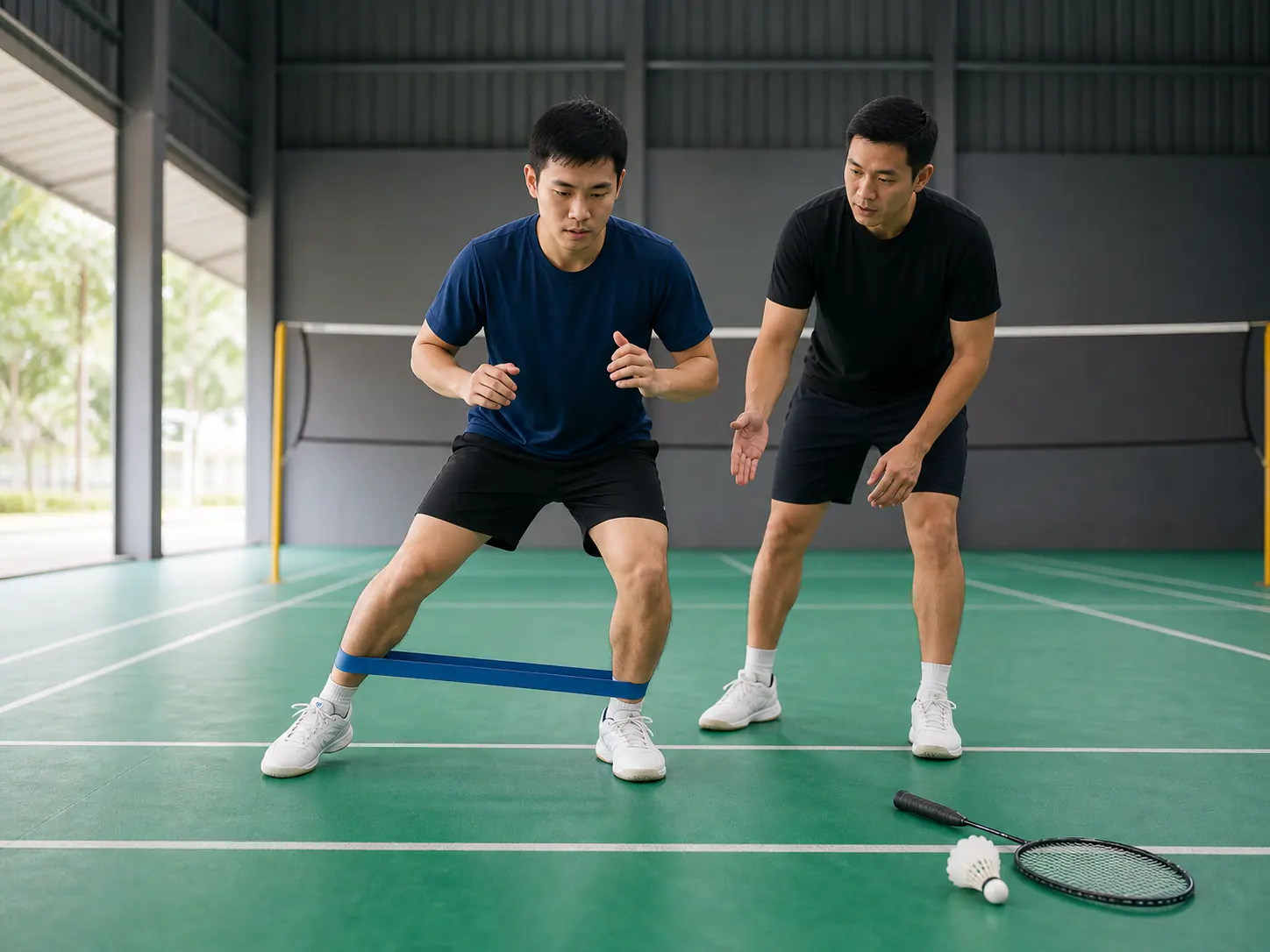
Badminton conditioning with a lateral resistance-band exercise

A charity walk sounds easy, until you are three hours in under the Malaysian sun, your feet are throbbing, and your hips are stiffening with every step. Walking long distances is a genuine physical task, especially for people who sit most of the day or are coming back after years off their feet. A little preparation turns a painful slog into a good day out.

We do not overcomplicate it. The goal is simple: get you to the finish comfortably and enjoy it. That means building your walking distance sensibly, strengthening the legs, hips and core that keep you upright, and sorting out pacing, footwear and hydration for our heat.

Why long walks are harder than they look

Walking uses less effort per step than running, but the steps add up. Over hours, small weaknesses become big aches, tight hips, weak glutes, or shoes that were fine for 2K but murder at 10K. In our heat and humidity, hydration and pacing matter as much as the walking itself.

The people who finish sore are usually the ones who never walked the distance in training. Your body adapts to what you practise, so we practise distance gradually.

What we look at before you start

  • Your current comfortable walking distance and pace
  • Hip, knee and foot comfort over longer efforts
  • Glute and core strength that keeps posture upright
  • Footwear and any old foot or back niggles
  • The event distance and terrain you are aiming for

Strength, stamina and mobility focus

Strength work is gentle and practical: glute, calf and core exercises that keep you tall and stop the hips aching late in a walk. Stamina is built by slowly increasing your longest walk each week. Mobility keeps hips and ankles loose so your stride stays smooth over distance.

None of this needs a gym. Much of it can be done at home or in your condo, which suits people fitting training around a busy week.

A gentle build to the finish line

  1. Weeks 1-2: establish a comfortable base walk and simple strength
  2. Weeks 3-4: add a longer weekend walk, extending distance slowly
  3. Weeks 5-6: reach around 80 percent of event distance once
  4. Week 7: a relaxed rehearsal near full distance
  5. Final week: short easy walks, rest, then enjoy the event

Frequently Asked Questions

Do I really need to train to walk a 5K?+

If you already walk regularly, maybe not much. But if you sit most days, even a 5K can leave you sore. A few weeks of gentle build makes the difference between enjoying it and limping home.

My hips ache after long walks. Can that be fixed?+

Usually yes. Aching hips often come from weak glutes and tight muscles rather than anything serious. Targeted strength and mobility work typically eases it within a few weeks.

What should I wear on my feet?+

Comfortable, broken-in shoes with good cushioning, never brand-new ones on event day. We will check your current footwear and flag if it is likely to cause blisters over the distance.

I am over 60, is this suitable?+

Very much so, once you have medical clearance. We start gently, build slowly, and adjust to how you feel. If anything points to a heart or joint issue, we refer you to a doctor before continuing.

Continue exploring

Goals

Walk Longer Without Fatigue

Walking longer without fatigue means building the leg endurance, aerobic fitness and foot comfort to keep going past the point you currently stop. We coach it 1-to-1 so a full day at the mall, a travel itinerary or a nature walk stops being cut short by tired, aching legs.

See the coaching approach →
Goals

Run Your First 5K

Running your first 5K is a beginner-friendly goal built on a gradual run-walk progression that grows your endurance without wrecking your joints. We coach it 1-to-1, including strength to keep you injury-free and pacing that works in KL's heat, until you run the full distance.

See the coaching approach →
Assessments

Balance Assessment

A balance assessment measures how steady you are on your feet, standing, shifting weight, single-leg holds. It is a fitness screen, not a neurological diagnosis. It tells us how much stability to build before loading balance-heavy exercises, and it matters most for older adults and anyone who feels unsteady.

See how it works →
Programmes

Functional Fitness

Functional fitness trains your body for the things you actually do, carrying shopping up to the condo, picking a child off the floor, twisting to reach the back seat. We build strength, stability and mobility in real movement patterns, not isolated machine work, so daily life gets easier.

See what it includes →
Programmes

Mobility Training

Mobility training restores the range of motion desk life and age quietly take away, stiff hips, tight shoulders, a locked-up back. We coach controlled movement through full ranges so you squat deeper, reach higher and move without that stiff, creaky feeling.

See what it includes →
Assessments

Push-Up Test

A push-up test counts how many good-form push-ups you can do in a row to gauge upper-body strength and endurance. We scale it, wall, incline, knees or full, to your level. It is a fitness marker we improve over time, done with quality reps, not a max-out competition or a medical test.

See how it works →

Ready for a more structured way to train?

Start with an assessment so we understand your level, goal, schedule and preferred training location.

The request opens WhatsApp; a time is confirmed only after we reply and agree it with you.

Request an assessment time Ask a question first