Skip to content

Sport-specific coaching

Long Walking Holiday Preparation in KL & Selangor

Walking holiday preparation builds the leg endurance, foot and joint resilience, and all-day stamina that back-to-back days of walking demand. We get you ready for the Camino, a European city break or a multi-day trek so your holiday is a joy, not a limp from blisters and aching knees.
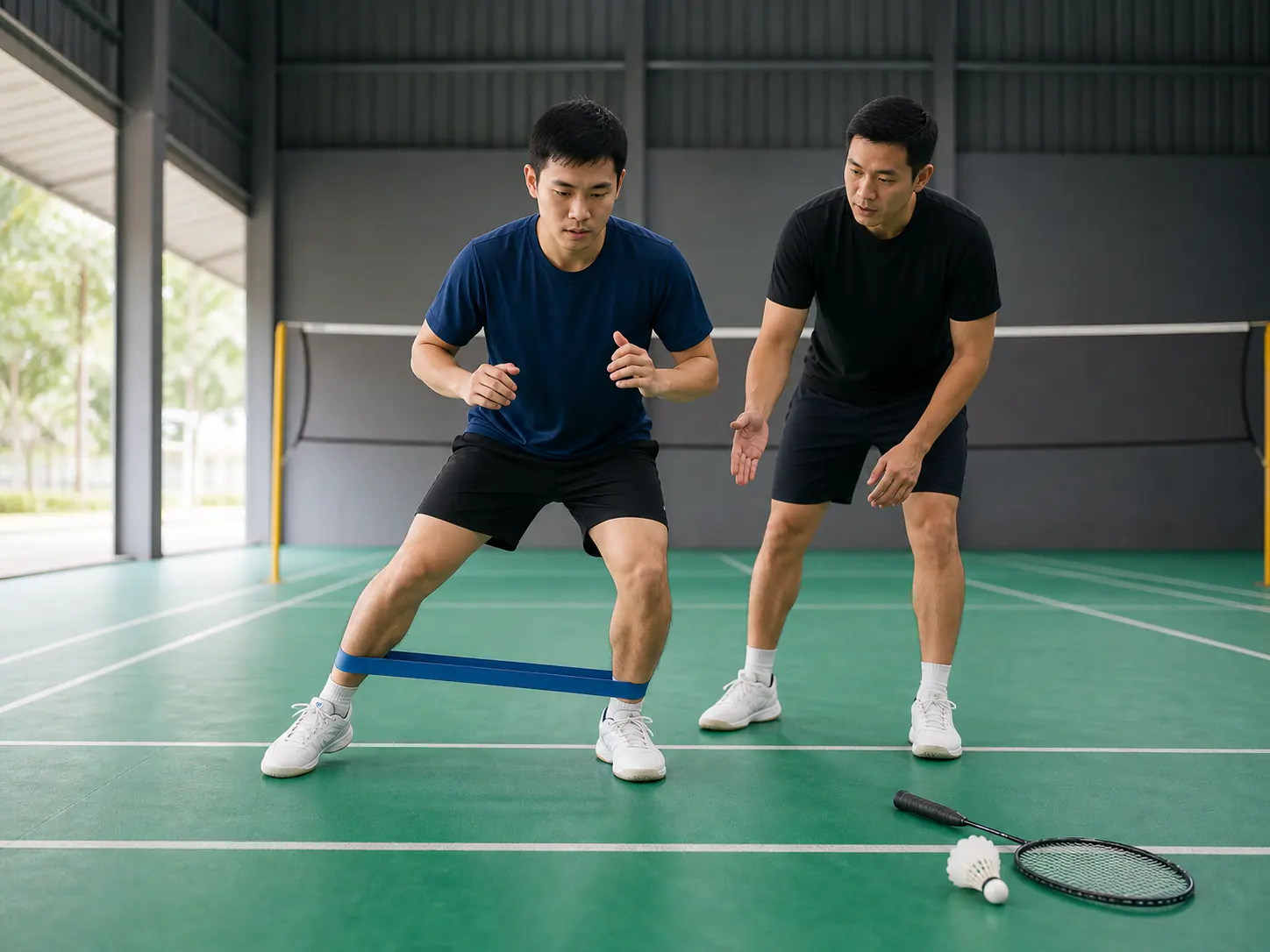
Badminton conditioning with a lateral resistance-band exercise

A dream walking holiday can turn miserable fast if your body is not ready for it. Whether it is the Camino de Santiago, days of pounding European city pavements, or a multi-day trek, the challenge is the same: walking for hours, day after day, often with a pack, on legs and feet that are used to sitting at a desk. The result for the unprepared is blisters, aching knees, a sore back and a holiday spent recovering.

We prepare you specifically for sustained, repeated days on your feet. That means building leg and foot endurance, strengthening the hips and knees that all-day walking loads, and practising back-to-back walking with a pack so your body adapts before you fly. A little preparation is the difference between savouring every day of your trip and counting down to the end.

Why walking all day is harder than it sounds

Walking feels easy for an hour, but doing it for six or eight hours, then repeating it the next day and the next, is a real endurance and durability challenge. Feet blister, knees ache from the accumulated impact, hips and the lower back tire from carrying a pack, and legs that are not conditioned simply give out. The cumulative load across consecutive days is what catches people out.

Add hills, uneven ground or cobblestones and the demand rises further. Preparing your body for that specific, repeated, all-day load is what makes the difference.

What we build for your trip

  • Leg and foot endurance for hours on your feet
  • Hip and knee strength for repeated daily impact
  • Back and core strength for carrying a pack
  • Back-to-back walking practice to build durability

A sample preparation progression

  1. Weeks 1-2: build base leg strength and start regular walking
  2. Weeks 3-4: increase walking duration and add hills or stairs
  3. Weeks 5-6: practise consecutive longer days with a light pack
  4. Weeks 7-8: rehearse full trip-length days to build all-day stamina

Common mistakes and home alternatives

People assume walking needs no preparation, then their feet and knees fail on day two. Others break in new boots on the trip itself. At home, progressively longer walks, stair work, leg strength and practising with your actual pack and shoes build the readiness your holiday needs.

Frequently Asked Questions

Do I really need to train just to walk?+

For a day, no. For six or eight hours a day, several days in a row, often with a pack, yes. That cumulative load is very different from a normal walk, and preparation is what keeps blisters, knee pain and fatigue from ruining the trip.

My knees ache after long walks, can you help?+

Often, yes. Strengthening the muscles around the knees and hips helps them absorb the repeated impact of all-day walking. We build that strength gradually. Persistent or sharp knee pain should be checked by a professional first.

How far ahead should I start preparing?+

Six to eight weeks for a typical walking holiday, longer for a demanding multi-day trek. Starting early lets your feet, legs and joints adapt gradually rather than being overwhelmed on the trip itself.

When should I see a professional?+

Any knee, hip or foot pain that is sharp, persistent or affecting how you walk should be assessed before a big trip. It is far better to sort it out beforehand than to discover it on day one abroad.

Continue exploring

Goals

Walk Longer Without Fatigue

Walking longer without fatigue means building the leg endurance, aerobic fitness and foot comfort to keep going past the point you currently stop. We coach it 1-to-1 so a full day at the mall, a travel itinerary or a nature walk stops being cut short by tired, aching legs.

See the coaching approach →
Programmes

Core Training

Core training builds the deep trunk muscles that stabilise your spine, protect your back and transfer force between your upper and lower body. It is about a strong, functional midsection that supports everything you do, not just chasing visible abs with endless crunches.

See what it includes →
Programmes

Low-Impact Training

Low-impact training builds strength and fitness without the jumping, pounding and jarring that bother sensitive joints. It suits heavier clients, older adults and anyone with cranky knees, hips or ankles, proving you can get genuinely fit while being kind to your body.

See what it includes →
Assessments

Sit-to-Stand Test

The sit-to-stand test counts how many times you can rise from a chair and sit back down in 30 seconds, or times five rises. It reflects leg strength and everyday function, especially for older adults. It is a simple fitness marker we track and improve, not a diagnostic medical test.

See how it works →
Goals

Get Back in Shape

Getting back in shape means rebuilding the fitness you once had after months or years away, sensibly, without the injury that comes from training like your old self on day one. We coach the comeback 1-to-1 so it is steady, safe, and this time actually sticks.

See the coaching approach →
Weight Loss

Weight-Loss Training for Women

Weight-loss training for women uses strength work to drop fat while keeping, not shrinking, the shape you want. It sidesteps the crash-diet cycle, respects your energy and cycle, and builds strength that carries into daily life. No bulking, no starving, a supportive setting.

See the coaching approach →

Ready for a more structured way to train?

Start with an assessment so we understand your level, goal, schedule and preferred training location.

The request opens WhatsApp; a time is confirmed only after we reply and agree it with you.

Request an assessment time Ask a question first