Skip to content

Sport-specific coaching

5K Running Training in KL & Selangor

A 5K is the perfect first running goal, long enough to matter, short enough to reach in weeks. We build the leg strength, pacing sense and heat tolerance to run all 5 kilometres without walking, while keeping shins, knees and hips out of trouble along the way.
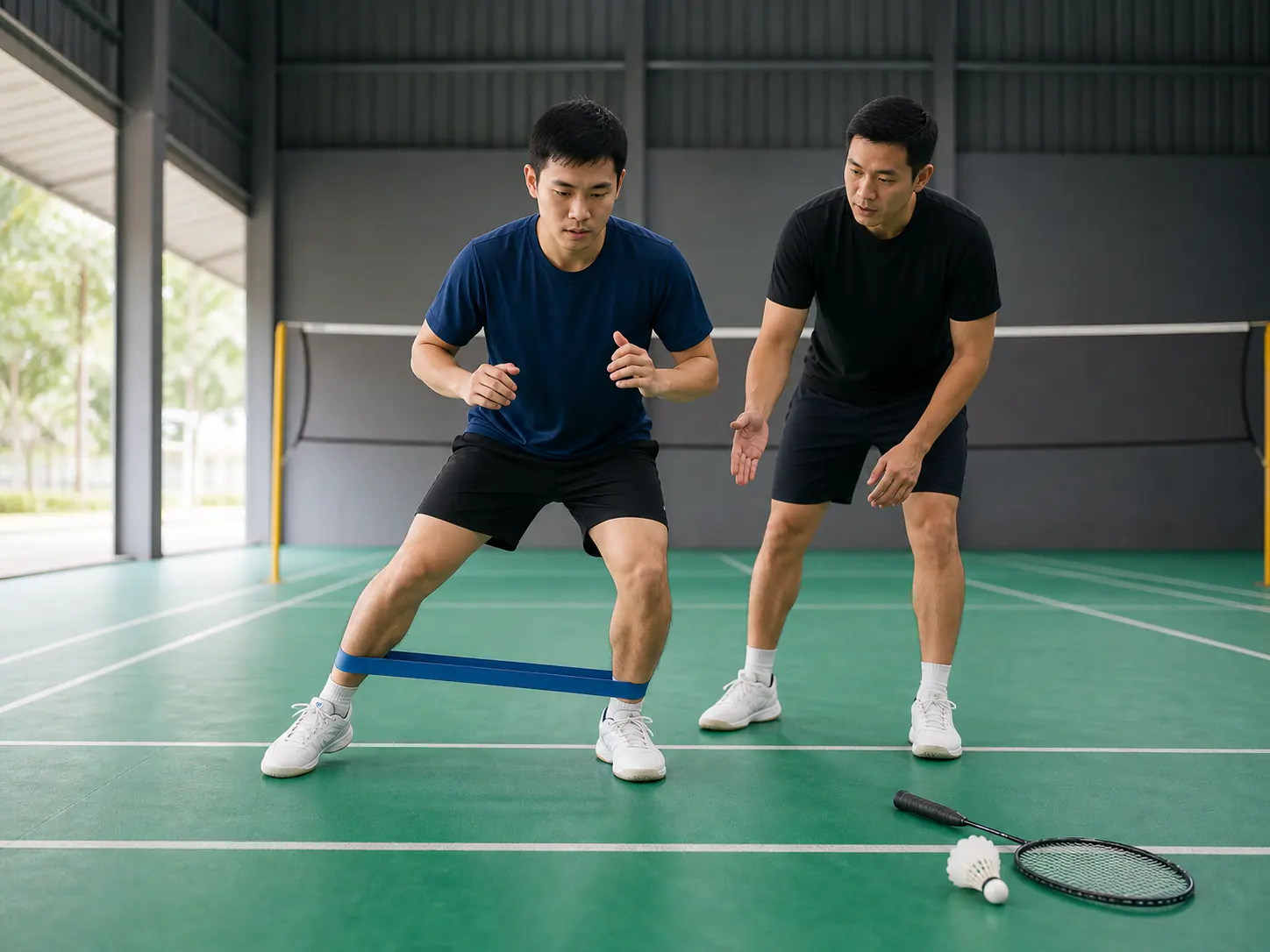
Badminton conditioning with a lateral resistance-band exercise

Almost everyone who starts running does too much too soon, then quits when the shins scream. A 5K done right is not about grinding, it is about building your body up gradually so the distance feels earned, not survived. Whether you are chasing a park run in PJ or your first charity fun run, the path is the same: consistency over heroics.

Running in KL and Selangor adds its own twist, heat, humidity and haze. We plan around the cooler hours, build sweat tolerance sensibly, and pair your runs with simple strength work so your legs handle the repeated impact. Most beginners can run a continuous 5K within eight to ten weeks this way.

Why strength comes before speed

Running is thousands of single-leg landings. If your calves, hips and glutes are not strong enough, every stride sends stress to the shins, knees and IT band instead. That is why shin splints and runner's knee are so common in new runners, not because they run, but because they run on under-prepared legs.

A little strength work, twice a week, fifteen minutes, dramatically cuts injury risk and makes each run feel lighter. We prioritise calves, single-leg balance and hip strength before we ever push your pace.

What a beginner block covers

  • Run-walk intervals that build to continuous running
  • Twice-weekly strength for calves, hips and core
  • Cadence and posture cues to reduce impact
  • Heat and hydration strategy for KL mornings

A sample couch-to-5K progression

  1. Weeks 1-2: run 1 minute, walk 2 minutes, repeated, build the habit
  2. Weeks 3-4: run 3-5 minutes between short walks
  3. Weeks 5-7: run 10-20 minutes continuously at easy effort
  4. Weeks 8-10: bridge to a full continuous 5K, then add light pace

Common mistakes and home alternatives

The classic mistakes are running every session too fast, skipping rest days, and ignoring niggles until they become injuries. Easy runs should feel conversational. If you cannot get outdoors because of haze, a treadmill or even brisk indoor step-ups keep the habit alive without breathing bad air.

Frequently Asked Questions

I get shin splints every time I start, why?+

Usually your calves and shins are not yet strong enough for the impact, and you ramped up too fast. We build calf and hip strength first and slow the progression, which resolves it for Many people.

Is it too hot to run in KL?+

Midday is, but early mornings and evenings are fine with sensible hydration. We plan your runs around the cooler hours and build your heat tolerance gradually rather than fighting the sun.

How many days a week should I run?+

Three runs a week is plenty to reach a 5K, with strength on two other days. More is not better early on, rest is when your legs adapt and get stronger.

When should I see a doctor instead?+

If pain is sharp, localised to one spot on the bone, or worsening week on week despite rest, get it checked, that can signal a stress reaction. General muscle soreness that eases with warm-up is normal.

Continue exploring

Goals

Run Your First 5K

Running your first 5K is a beginner-friendly goal built on a gradual run-walk progression that grows your endurance without wrecking your joints. We coach it 1-to-1, including strength to keep you injury-free and pacing that works in KL's heat, until you run the full distance.

See the coaching approach →
Programmes

Low-Impact Training

Low-impact training builds strength and fitness without the jumping, pounding and jarring that bother sensitive joints. It suits heavier clients, older adults and anyone with cranky knees, hips or ankles, proving you can get genuinely fit while being kind to your body.

See what it includes →
Weight Loss

Low-Impact Weight-Loss Training

Low-impact weight-loss training drops fat without jumping, running or hard landings, so it suits sore joints, heavier bodies and nervous beginners. We use controlled strength work, walking and gentle conditioning to burn fat and build strength while keeping your knees, hips and back comfortable.

See the coaching approach →
Assessments

The Talk Test

The talk test gauges exercise intensity by how easily you can speak while moving. Chatting comfortably is easy, speaking in short phrases is moderate, and barely getting words out is hard. It is a simple, gadget-free way to keep beginners training safely at the right effort, especially in our heat.

See how it works →
Weight Loss

Weight Loss After 50

Weight loss after 50 is really about protecting muscle and bone while losing fat. We use gentle, controlled strength training, enough protein and daily walking to reshape your body without crash diets, improving how you move, your balance and your health, not just the number on the scale.

See the coaching approach →
Exercise Library

Hip Abduction

Hip abduction moves your leg out to the side against resistance, targeting the outer glutes. These muscles stabilise your hips and knees during walking, running and single-leg movements. It can be done with a band, a machine, or lying on your side at home.

Learn the technique →

Ready for a more structured way to train?

Start with an assessment so we understand your level, goal, schedule and preferred training location.

The request opens WhatsApp; a time is confirmed only after we reply and agree it with you.

Request an assessment time Ask a question first