Skip to content

Sport-specific coaching

Parkour Foundations in KL & Selangor

Parkour foundations build the strength, landing control and body awareness that safe movement demands before you take it to real obstacles. We progressively develop jump power, resilient joints and control so you build a base that keeps you moving well and injury-free.
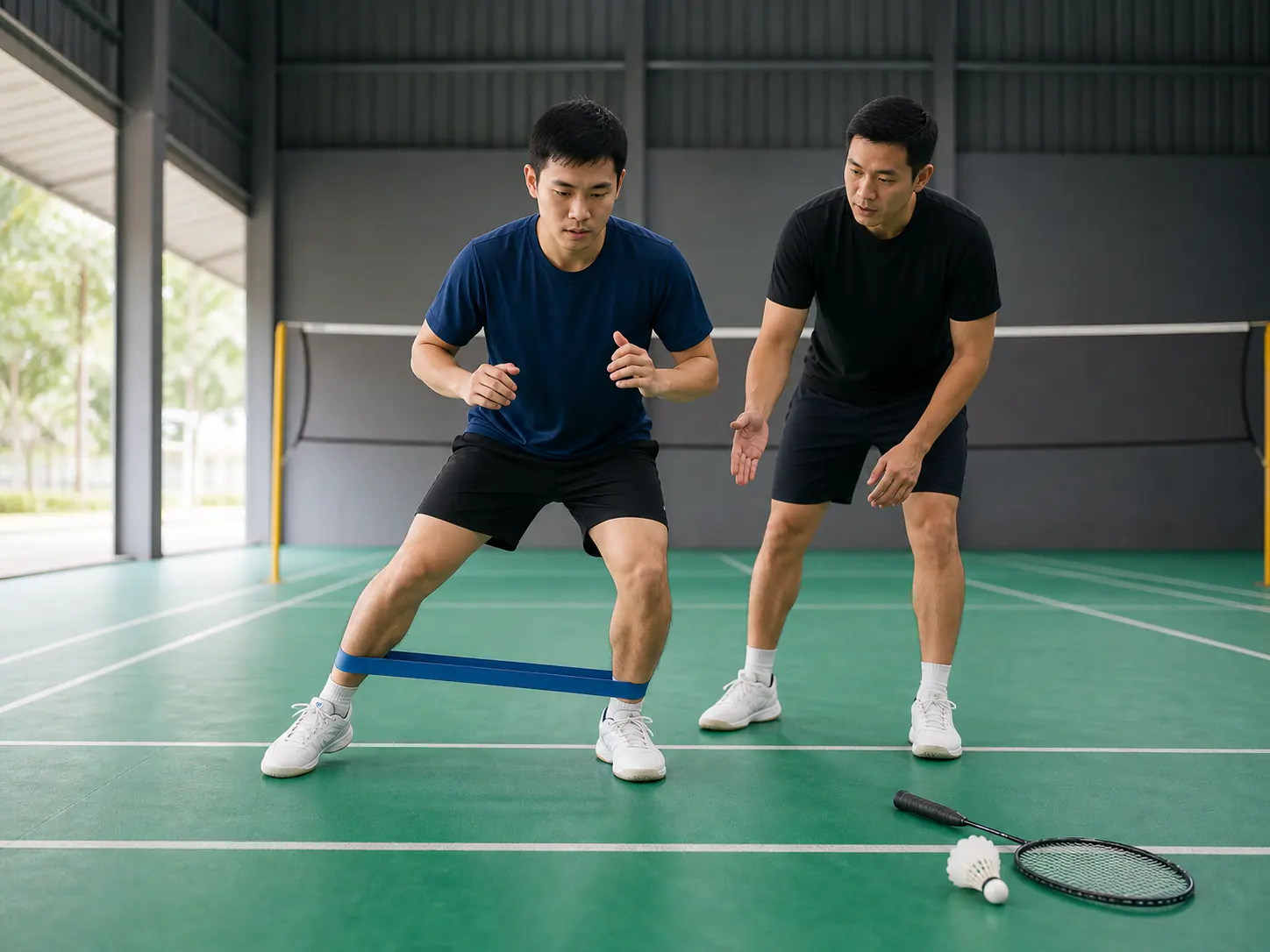
Badminton conditioning with a lateral resistance-band exercise

Parkour is exhilarating, but it is also unforgiving of a weak foundation. Every jump, vault and landing sends real force through your ankles, knees and wrists, and trying to progress fast without the strength to absorb it is how beginners get hurt. The best traceurs are not reckless; they have built a serious physical base that lets them move safely.

We build that foundation, on the ground and under control, before you take movements to height or speed. That means strong, resilient legs and ankles for landings, jump power and the body control to place yourself precisely, and the wrist and upper-body strength that vaults and climbs demand. It is the unglamorous work that makes the exciting stuff safe.

Why the foundation matters most

Parkour loads the body with real impact: landings drive force through ankles, knees and wrists, and vaults and climbs demand upper-body strength Many people have never built. Rushing to bigger jumps and drops before the body can absorb them is exactly how beginners pick up ankle, knee and wrist injuries. Strength and control come first, always.

Built properly, that base does not just keep you safe, it lets you progress faster because your body can handle what you ask of it.

What we assess before you start

  • Landing strength and control through the ankles and knees
  • Jump power and how precisely you can place yourself
  • Wrist and upper-body strength for vaults and climbs
  • Core control and overall body awareness
  • Any ankle, knee or wrist history to build around

Strength, stamina and mobility focus

Strength is the priority: resilient legs and ankles for landings, jump power, and the wrist and upper-body strength that vaults and climbs need. We build control and body awareness alongside it. Mobility keeps the hips, ankles and wrists moving through the ranges parkour demands, safely.

Everything is progressed gradually and under control, on the ground first, so your body is genuinely ready before movements go to height or speed.

A sample foundation progression

  1. Build landing strength and control at low height
  2. Develop jump power and precision on the ground
  3. Strengthen wrists and upper body for vaults
  4. Add controlled vaulting and climbing basics
  5. Progress height and speed only as strength allows

Frequently Asked Questions

Is parkour too dangerous to start as an adult?+

Not when you build the foundation first. Most injuries come from progressing too fast without the strength to absorb impact. Coached patiently, from the ground up, adults can build a safe, capable base and enjoy it for years.

My wrists hurt when I vault. Why?+

Vaults load the wrists with impact Many people are not conditioned for. Building wrist and forearm strength usually helps a lot. If there is sharp pain, swelling or it persists, we have it assessed medically before loading it further.

Do I need to be athletic already to start?+

No. We build the strength, control and mobility from wherever you are, on the ground and under control. Plenty of beginners start with no background and progress steadily as their foundation grows.

My ankles feel weak on landings. Can that be fixed?+

Very much so. Landing strength and ankle stability are highly trainable, and we build them before adding height. If an ankle is unstable after a previous sprain, we get it assessed first.

Continue exploring

Programmes

Sports Performance Programme

A sports performance programme develops the speed, strength, power and resilience your sport demands, whether that is football, badminton, running or cycling. We build a targeted plan around your sport and position, so you perform better on the pitch, court or road and break down less often.

See what it includes →
Programmes

Functional Fitness

Functional fitness trains your body for the things you actually do, carrying shopping up to the condo, picking a child off the floor, twisting to reach the back seat. We build strength, stability and mobility in real movement patterns, not isolated machine work, so daily life gets easier.

See what it includes →
Goals

Run Your First 5K

Running your first 5K is a beginner-friendly goal built on a gradual run-walk progression that grows your endurance without wrecking your joints. We coach it 1-to-1, including strength to keep you injury-free and pacing that works in KL's heat, until you run the full distance.

See the coaching approach →
Assessments

Strength Baseline Test

A strength baseline test measures how much you can safely handle at the start, using controlled reps, not one-rep maxes. It gives us a fair number to progress from, highlights left-right imbalances, and keeps early training safe. It is a fitness marker, not an injury diagnosis.

See how it works →
Assessments

Fitness vs Clinical Assessment

A fitness assessment sets a safe starting point for training, mapping strength, stamina and movement. A clinical assessment diagnoses injuries and medical conditions, and only qualified healthcare professionals do that. We do the first, never the second, and refer you on the moment something needs a doctor or physio.

See how it works →
Goals

Improve Balance

Improving balance means training the strength, ankle control and quick reactions that keep you steady on your feet. We coach it progressively 1-to-1 so stairs, uneven pavements, wet floors and one-legged moments stop feeling risky, a foundation for confidence at any age.

See the coaching approach →

Ready for a more structured way to train?

Start with an assessment so we understand your level, goal, schedule and preferred training location.

The request opens WhatsApp; a time is confirmed only after we reply and agree it with you.

Request an assessment time Ask a question first