Skip to content

Sport-specific coaching

Silat Conditioning in KL & Selangor

Silat conditioning builds the low-stance leg strength, hip mobility and explosive power that the art demands. We develop the athletic base beneath your technique so you hold deep stances, flow between positions, and train longer without your knees, hips or back complaining.
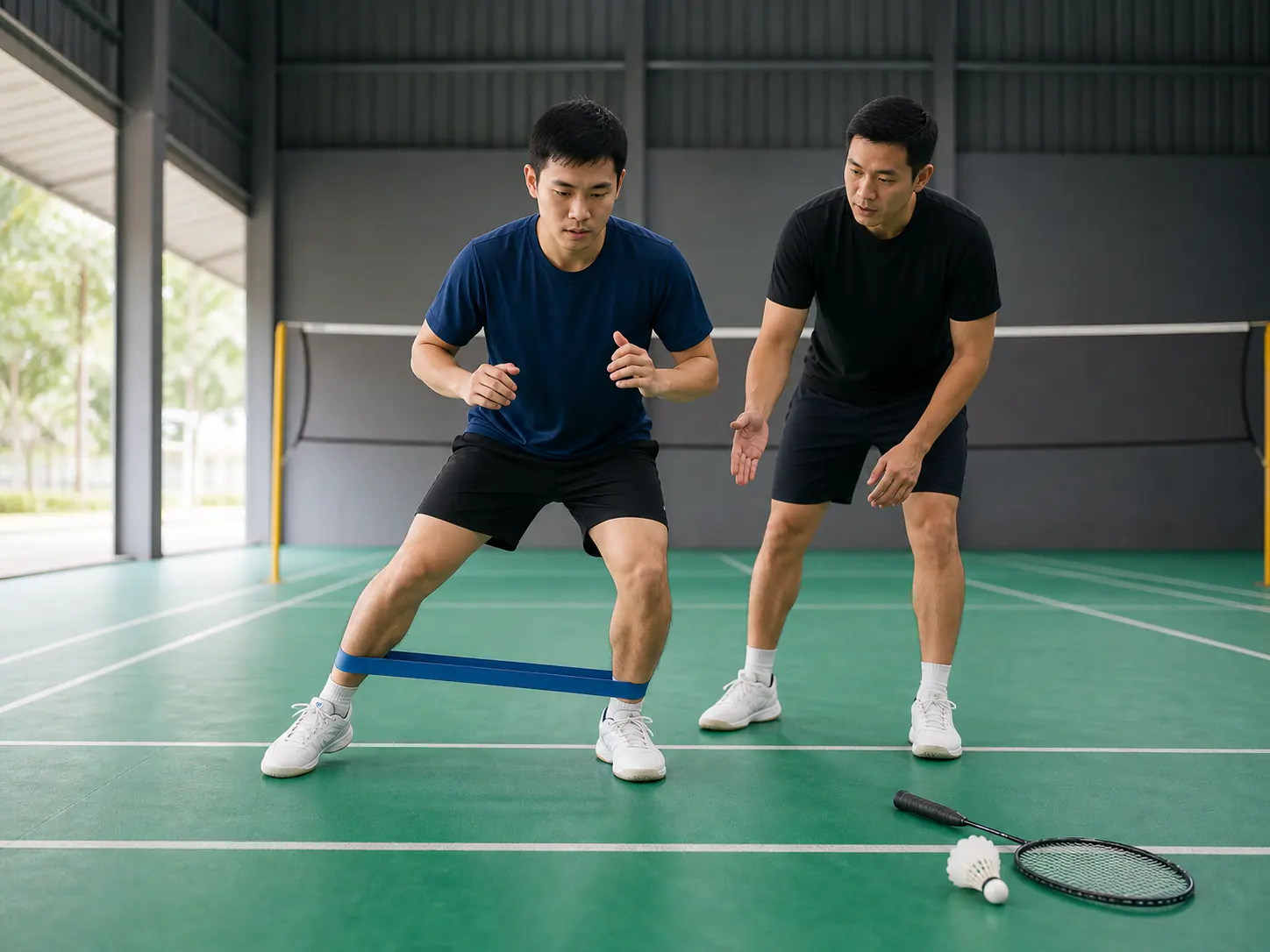
Badminton conditioning with a lateral resistance-band exercise

Silat is beautiful and physically demanding in ways outsiders underestimate. The deep, low stances (kuda-kuda) load the legs and hips hard, the flowing transitions demand real mobility, and the strikes and takedowns need explosive power from a stable base. Practitioners who only train technique often find their legs give out in long sessions, or their knees and hips complain from holding low positions without the strength to support them.

We build the athletic foundation beneath the art, working alongside your guru rather than teaching technique. That means leg and hip strength to own the low stances, mobility to flow between positions cleanly, and explosive power and stamina so your bunga and buah stay sharp deep into training. Stronger and more mobile off the mat means better silat on it.

The physical demands of silat

The low stances central to silat put sustained load on the quads, hips and knees, which is punishing without adequate strength. The art also demands wide-ranging hip and ankle mobility for the flowing footwork, core stability for balance in unusual positions, and explosive power for strikes and takedowns.

Practitioners commonly struggle with legs that fatigue in long sessions, hips too stiff to flow, and knees that ache from deep positions. All of these respond to targeted strength and mobility work.

What we assess and build

  • Leg and hip strength for deep, sustained stances
  • Hip and ankle mobility for flowing footwork
  • Core stability for balance in unusual positions
  • Explosive power and stamina for strikes and flows

A sample conditioning progression

  1. Weeks 1-2: build leg strength and restore hip and ankle mobility
  2. Weeks 3-4: add stance endurance and core stability work
  3. Weeks 5-6: introduce explosive power for strikes and transitions
  4. Weeks 7-8: integrate conditioning to hold quality through long sessions

Common mistakes and home alternatives

Practitioners drill technique for hours but never build the leg strength and mobility the stances demand, then blame their knees. At home, deep squat and lunge holds, hip mobility drills, calf and ankle work, and core stability build exactly what the low positions need.

Frequently Asked Questions

My knees hurt from the low stances, can you help?+

Often, yes. Deep stances need strong legs and mobile hips; without them the knees take the strain. We build stance strength and hip mobility to reduce it. Sharp or swollen knee pain should be checked by a professional first.

Will this interfere with my silat training?+

No. We build the physical base and leave technique entirely to your guru. Stronger, more mobile legs and hips make your silat better, not different. We schedule it around your training so you are never too sore to practise.

I get too stiff to flow between positions, what helps?+

Targeted hip and ankle mobility work, plus strength through range. Stiffness usually comes from tight, weak hips and ankles, which respond well to consistent mobility training.

When should I see a professional first?+

A knee that swells or gives way, a joint injury that flows aggravate, or any sharp pain needs a physio or doctor before you train on. We build conditioning around cleared, stable issues.

Continue exploring

Programmes

Mobility Training

Mobility training restores the range of motion desk life and age quietly take away, stiff hips, tight shoulders, a locked-up back. We coach controlled movement through full ranges so you squat deeper, reach higher and move without that stiff, creaky feeling.

See what it includes →
Programmes

Core Training

Core training builds the deep trunk muscles that stabilise your spine, protect your back and transfer force between your upper and lower body. It is about a strong, functional midsection that supports everything you do, not just chasing visible abs with endless crunches.

See what it includes →
Goals

Fix Your Posture

Fixing posture is less about standing straighter on command and more about building the strength and mobility to hold a good position without effort. We coach that 1-to-1, opening tight areas from desk life and strengthening the muscles that keep you upright all day.

See the coaching approach →
Weight Loss

Low-Impact Weight-Loss Training

Low-impact weight-loss training drops fat without jumping, running or hard landings, so it suits sore joints, heavier bodies and nervous beginners. We use controlled strength work, walking and gentle conditioning to burn fat and build strength while keeping your knees, hips and back comfortable.

See the coaching approach →
Goals

Recreational Sport Performance

Recreational sport performance training builds the strength, conditioning and resilience that make you better and more durable at the sport you love, futsal, badminton, tennis, running, hiking. We coach it 1-to-1 to complement your game, so you play harder and break down less.

See the coaching approach →
Exercise Library

Chair Sit-to-Stand

The chair sit-to-stand has you stand up from a chair and sit back down under control, ideally without using your hands. It builds the leg strength behind everyday independence, is very safe, and is one of the best starting exercises for older adults and beginners.

Learn the technique →

Ready for a more structured way to train?

Start with an assessment so we understand your level, goal, schedule and preferred training location.

The request opens WhatsApp; a time is confirmed only after we reply and agree it with you.

Request an assessment time Ask a question first