Skip to content

Sport-specific coaching

Speed Training for Sport in KL & Selangor

Speed training makes you genuinely faster for your sport by building acceleration, sprint mechanics and the power behind them. We develop the strength and technique that produce real speed while strengthening the hamstrings that fast sprinting puts most at risk.
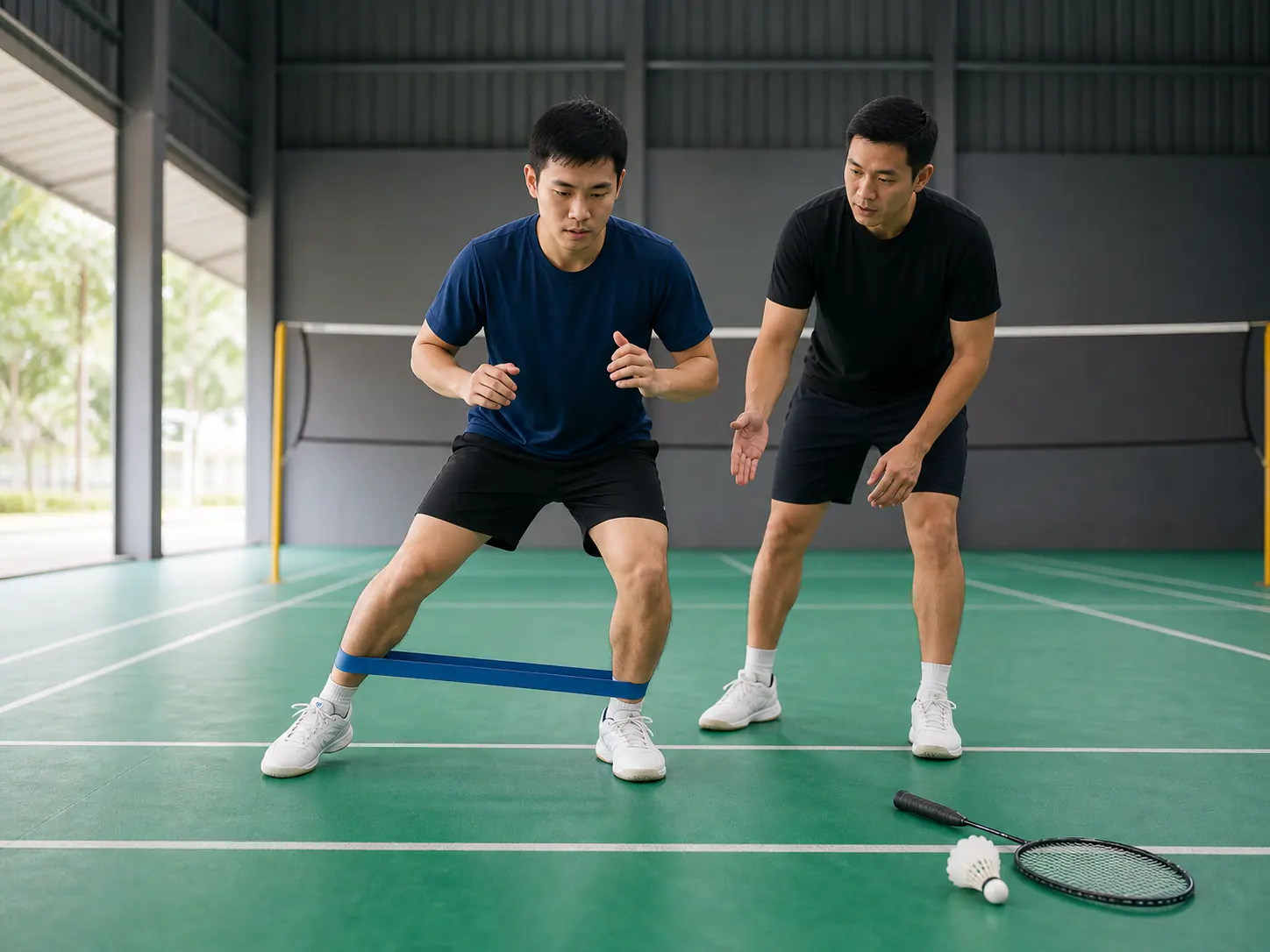
Badminton conditioning with a lateral resistance-band exercise

Speed is trainable, but Many people never train it properly. They either just play their sport and hope, or run endless steady laps that do nothing for their top-end pace. Real speed comes from producing more force into the ground and applying it with good mechanics, especially in the acceleration phase that matters most in team sports. And because hard sprinting is where hamstrings tear, getting faster and staying injury-free go hand in hand.

We build speed the right way: acceleration and sprint mechanics coached properly, the strength and power that let you put more force into the ground, and robust hamstrings to handle the demands of fast running. Whether you want a quicker first step for football or a faster sprint for any field sport, we make you measurably faster without turning your hamstrings into a liability.

What actually makes you faster

Speed is not just moving your legs quickly; it is applying force into the ground powerfully and efficiently. Acceleration, the ability to build speed quickly over the first ten to twenty metres, is what matters most in nearly every team sport, and it depends heavily on strength and mechanics. Top speed matters too, but few sports need more than a short sprint.

The other side of speed is hamstring health. Hamstrings are loaded hardest during fast sprinting, so any serious speed work must build hamstring strength alongside it, or injury follows.

What we assess and build

  • Acceleration mechanics for a faster first step
  • Strength and power to apply more force to the ground
  • Sprint technique for efficient top-end speed
  • Hamstring strength to handle fast running safely

A sample speed progression

  1. Weeks 1-2: build leg strength and hamstring resilience
  2. Weeks 3-4: coach acceleration mechanics and short sprints
  3. Weeks 5-6: add power work and build sprint distance
  4. Weeks 7-8: sport-specific speed at full intensity

Common mistakes and home alternatives

People try to get faster by running more slow miles, which does nothing for speed, or sprint hard with weak hamstrings and pull them. At home, strength work, hamstring exercises, short acceleration sprints with full recovery, and drills build the base for real speed safely.

Frequently Asked Questions

Can I really get faster, or is speed just genetic?+

Genetics set your ceiling, but almost everyone can get significantly faster with proper training. Many people have never trained acceleration mechanics or the strength behind speed, so there is usually a lot of untapped improvement.

Why do I pull my hamstring when I sprint?+

Hamstrings are loaded hardest at high speed, and if they are weak or under-trained they tear. We build hamstring strength alongside speed work precisely to prevent this. A recent tear should be cleared by a physio first.

Does distance running make me faster?+

Not for sprint speed. Slow steady running trains a different quality and can even blunt your top-end speed. Getting faster needs short, high-quality sprints and strength, not more slow miles.

When should I get an issue checked?+

Any hamstring strain, or pain that appears during sprinting, should be assessed by a physio before you sprint hard again. We build speed around cleared, stable tissue and refer when needed.

Continue exploring

Programmes

Power Training

Power training develops your ability to produce force quickly, jumping, throwing, sprinting, reacting. It builds on a base of strength to make you explosive and athletic, and it is one of the first qualities to fade with age, which makes keeping it worth the effort.

See what it includes →
Programmes

Sports Performance Programme

A sports performance programme develops the speed, strength, power and resilience your sport demands, whether that is football, badminton, running or cycling. We build a targeted plan around your sport and position, so you perform better on the pitch, court or road and break down less often.

See what it includes →
Assessments

How Often to Reassess

Most fitness markers are best reassessed every four to six weeks. That is long enough for training to produce real change, but frequent enough to keep your plan accurate and your motivation high. We reassess sooner if something changes health-wise, and we always refer to a doctor when needed.

See how it works →
Goals

Sustainable Weight Loss

Sustainable weight loss means losing weight at a pace you can hold and keeping it off for years, not weeks. We skip crash diets and build habits, steady eating, regular strength work and daily movement, coached 1-to-1 so the plan survives real life, festivals and travel.

See the coaching approach →
Goals

Train Consistently

Training consistently is the goal that makes every other goal possible, nothing works if you keep quitting. We build consistency with a realistic plan, booked sessions, honest accountability and a strategy for busy weeks, so momentum survives real life instead of collapsing.

See the coaching approach →
Weight Loss

Weight-Loss Training for Men

Weight-loss training for men focuses on dropping the gut while keeping and building muscle, so you end up leaner and stronger rather than just lighter. We use simple strength work, honest food coaching and a plan that survives long work hours, teh tarik and weekend mamak.

See the coaching approach →

Ready for a more structured way to train?

Start with an assessment so we understand your level, goal, schedule and preferred training location.

The request opens WhatsApp; a time is confirmed only after we reply and agree it with you.

Request an assessment time Ask a question first