Skip to content

Sport-specific coaching

Yoga Strength Support Training in KL & Selangor

Yoga strength support adds the muscular strength that stabilises flexible joints and protects them from the overstretching yoga can encourage. It deepens your practice safely, builds the muscle and bone yoga rarely does, and keeps mobile bodies strong and stable.
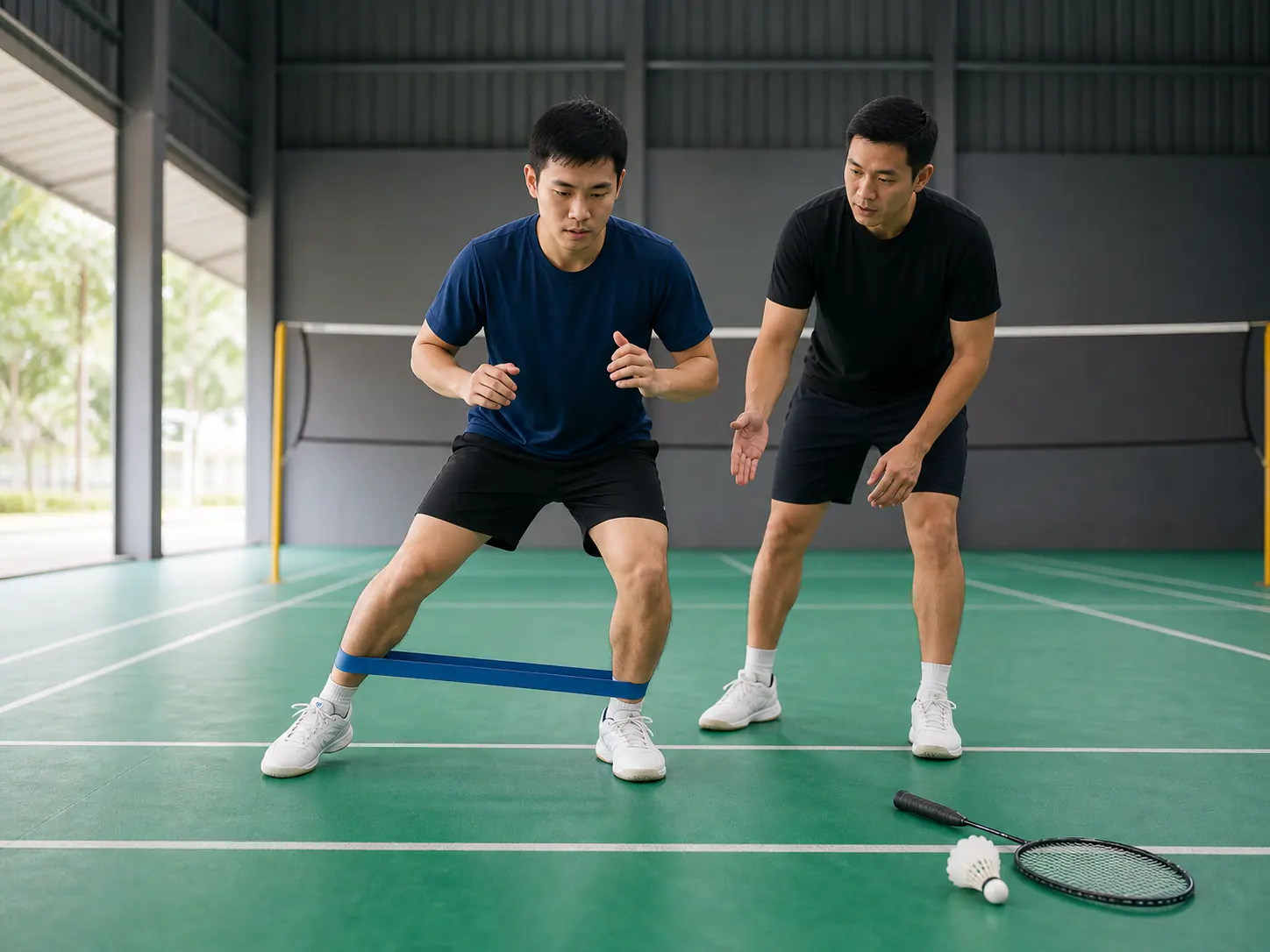
Badminton conditioning with a lateral resistance-band exercise

Yoga builds wonderful flexibility, calm and body awareness, but flexibility without strength can be a problem. Very mobile people can push joints past where their muscles can control them, which over time leads to nagging shoulder, hip or lower-back complaints. And like other mobility-focused practice, yoga rarely builds significant muscle or bone.

We add the stabilising strength that makes flexibility safe and useful. The aim is a body that is both mobile and strong, muscles that control your range rather than joints hanging at their limits. That protects hypermobile shoulders and hips, deepens your practice with real control, and adds the muscle and bone benefits yoga alone misses.

Why flexibility without strength causes problems

When you are very mobile, your joints can move further than your muscles can actively control. Yoga often encourages reaching those end ranges, and without the strength to stabilise them, that is where hypermobile people develop irritated shoulders, hips and lower backs over time.

Strength is the fix. Muscles that can control your full range turn dangerous flexibility into safe, useful mobility, and let you go deeper with confidence rather than by hanging on ligaments.

What we assess before you start

  • How mobile you are and where you lack active control
  • Shoulder and hip stability at end range
  • Core and glute strength that supports the spine
  • Any joints that ache after certain poses
  • Whether general strength and bone health are goals too

Strength, stamina and mobility focus

Strength is the priority: building control at the end ranges yoga takes you to, and general strength for the muscle and bone yoga rarely provides. Your mobility is already excellent, so we focus on making it strong and stable. A little conditioning supports overall health.

Yoga and strength reinforce each other, yoga keeps you supple and aware, strength makes that suppleness safe and powerful.

A sample combined approach

  1. Two strength sessions focused on control and stability
  2. Prioritise shoulder and hip stability at end range
  3. Build core and glute strength for spinal support
  4. Continue your yoga for mobility and calm
  5. Review any achy joints and adjust loading

Frequently Asked Questions

I am very flexible already. Why would I need strength?+

Because flexibility without control lets joints move beyond what your muscles can stabilise, which often causes nagging pain over time. Strength turns that flexibility into safe, useful mobility and protects hypermobile joints.

Will strength training make me less flexible?+

No, when done through full range it maintains or improves mobility while adding control. You keep your yoga flexibility and gain the strength to use it safely, rather than losing suppleness.

My shoulders ache after certain poses. Why?+

Often because you reach end range without the strength to stabilise there. Targeted shoulder strength usually helps a lot. If the ache is sharp or persistent, we have it assessed by a physio first.

Does yoga count as strength training?+

For some bodyweight control, a little. But it rarely loads you progressively enough to build significant muscle or bone. Adding proper strength work fills that gap while keeping everything yoga gives you.

Continue exploring

Programmes

Low-Impact Training

Low-impact training builds strength and fitness without the jumping, pounding and jarring that bother sensitive joints. It suits heavier clients, older adults and anyone with cranky knees, hips or ankles, proving you can get genuinely fit while being kind to your body.

See what it includes →
Weight Loss

Why Strength Matters for Fat Loss

Chasing strength, not just a lower number, gives you the best fat-loss results. Getting stronger protects muscle, keeps your metabolism up, builds the shape you want, and gives you a positive goal that keeps you consistent. It turns fat loss from a punishment into progress you can feel.

See the coaching approach →
Programmes

Weight-Loss Training

Weight-loss training combines strength work, sensible conditioning and realistic food habits so you lose fat while keeping the muscle that keeps you toned. No crash diets, no punishing cardio, just a sustainable plan built around your body, your schedule and Malaysian food.

See what it includes →
Goals

Healthy Ageing

Healthy ageing through exercise means protecting the muscle, bone, balance and mobility that keep you independent as the years pass. We coach a safe, progressive plan 1-to-1 after any needed medical clearance, so you stay strong and active rather than slowly losing capacity.

See the coaching approach →
Assessments

Strength Baseline Test

A strength baseline test measures how much you can safely handle at the start, using controlled reps, not one-rep maxes. It gives us a fair number to progress from, highlights left-right imbalances, and keeps early training safe. It is a fitness marker, not an injury diagnosis.

See how it works →
Weight Loss

How Fast Can You Lose Fat Safely

A safe, sustainable fat-loss rate is roughly 0.5 to 1 percent of your bodyweight a week. Faster than that usually costs you muscle, energy and the ability to keep it off. Heavier people can lose faster at first; leaner people should go slower. Patience protects your results.

See the coaching approach →

Ready for a more structured way to train?

Start with an assessment so we understand your level, goal, schedule and preferred training location.

The request opens WhatsApp; a time is confirmed only after we reply and agree it with you.

Request an assessment time Ask a question first