Skip to content

Exercise technique guide

How to Do Battle Ropes

Battle ropes have you whip two heavy ropes to create waves, driving your heart rate up while working your arms, shoulders and core. They deliver intense cardio with little joint impact, are easy to scale, and are a fun way to build upper-body stamina.
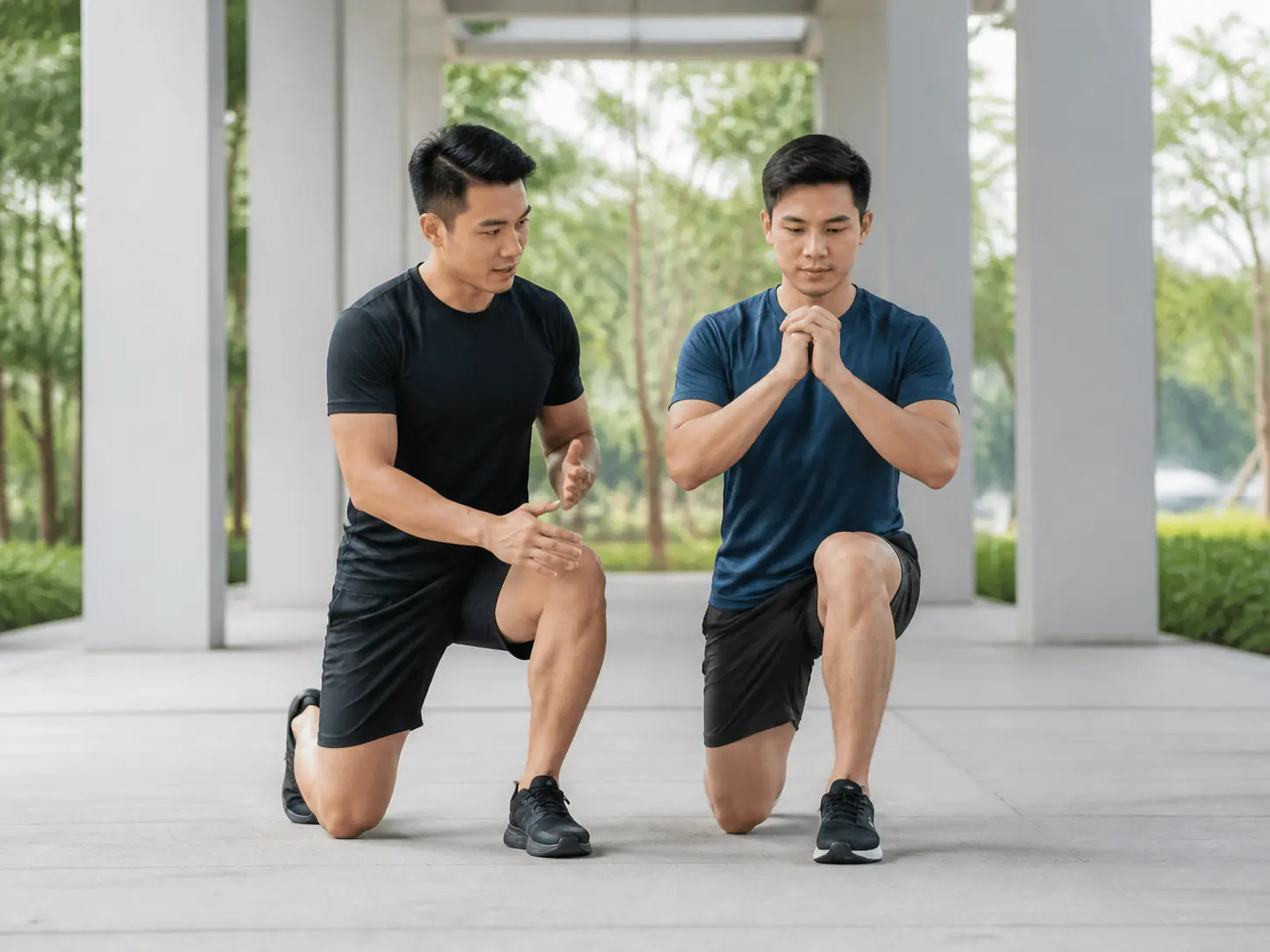
A trainer demonstrating controlled split-squat technique

Battle ropes are one of the most enjoyable ways to get out of breath. Whipping two heavy ropes into waves torches your arms, shoulders and core while spiking your heart rate, all with minimal impact on your joints.

You need proper ropes and an anchor, so they live at our Putra Heights centre. They are beginner-friendly because you control the intensity, and they add a fun, sweaty conditioning finish to almost any session.

What it trains and who it suits

They build upper-body stamina in the arms, shoulders and core, plus strong cardio conditioning. They suit anyone wanting intense, low-impact cardio and a break from running or cycling.

Because you set the pace and wave size, they scale from gentle to brutal, making them accessible for beginners and demanding for the fit.

Step-by-step cues

  1. Hold one rope end in each hand, arms slightly bent
  2. Set a stable stance with knees softly bent
  3. Brace your core and keep a tall, athletic posture
  4. Whip the ropes up and down to make steady waves
  5. Keep a rhythm for the work interval, then rest

Common mistakes and quick fixes

  • Using only the arms, drive some power from the legs and core
  • Standing stiff and upright, soften the knees and stay athletic
  • Waves fading out, keep a consistent, punchy rhythm
  • Holding the breath, breathe steadily through the interval

Regressions, progressions and when to stop

Too hard? Shorten the intervals or make smaller waves. Too easy? Go longer, faster, or add movements like slams. This is a centre exercise; at home, shadow-boxing or fast step-ups give a similar low-impact cardio hit.

  • Stop if you feel sharp shoulder pain rather than muscle fatigue
  • See a professional if a shoulder aches sharply during the waves

Frequently Asked Questions

Are battle ropes cardio or strength?+

Mainly cardio and muscular endurance for the upper body. They raise your heart rate fast while fatiguing the arms, shoulders and core, rather than building maximal strength.

Do I need strong arms to start?+

No. You control the intensity, so beginners can start with short intervals and small waves. It scales easily, which is why it suits a wide range of fitness levels.

How long should each set last?+

Intervals of twenty to thirty seconds of work with rest are common. Keep the waves consistent, and stop the set when the rhythm falls apart rather than pushing sloppy.

Are battle ropes hard on the joints?+

No, they are quite joint-friendly since there is no impact. If your shoulders ache sharply rather than just fatiguing, ease off and get them checked.

Continue exploring

Weight Loss

Strength Plus Cardio for Fat Loss

The best fat-loss plans use both strength and cardio, not one or the other. Strength keeps muscle and shape; cardio and walking add extra calorie burn and heart health. We show you how to combine them without overtraining, so fat drops while your body stays strong.

See the coaching approach →
Programmes

Weight-Loss Training

Weight-loss training combines strength work, sensible conditioning and realistic food habits so you lose fat while keeping the muscle that keeps you toned. No crash diets, no punishing cardio, just a sustainable plan built around your body, your schedule and Malaysian food.

See what it includes →
Weight Loss

Weight Loss After 50

Weight loss after 50 is really about protecting muscle and bone while losing fat. We use gentle, controlled strength training, enough protein and daily walking to reshape your body without crash diets, improving how you move, your balance and your health, not just the number on the scale.

See the coaching approach →
Programmes

Core Training

Core training builds the deep trunk muscles that stabilise your spine, protect your back and transfer force between your upper and lower body. It is about a strong, functional midsection that supports everything you do, not just chasing visible abs with endless crunches.

See what it includes →
Guides & Tools

How To Build Stamina

Stamina improves when you regularly do easy-to-moderate cardio and gradually make it a little longer or harder over time. Start where you are, stay consistent, and build slowly. Strength work and good sleep help too. The trick is steady progress, not going all-out and quitting.

Read the guide →
Goals

Core Strength and Flat Stomach

A strong core and a flat stomach are two separate jobs. Core strength comes from training the muscles that stabilise your spine; a flatter stomach comes from losing belly fat. We coach both together 1-to-1, so you get a back-protecting core and a tighter midsection.

See the coaching approach →

Want help applying this guide to your own training?

Private coaching adapts exercise choice, loading and progression to your level, equipment and goal.

Ask a question first Request an assessment time