Skip to content

Sport-specific coaching

10K Running Training in KL & Selangor

The 10K is where runners either build a real aerobic base or hit a wall. We layer easy-run volume, one weekly quality session and twice-weekly strength so you double your distance without doubling your injury risk, and finish your race strong instead of shuffling.
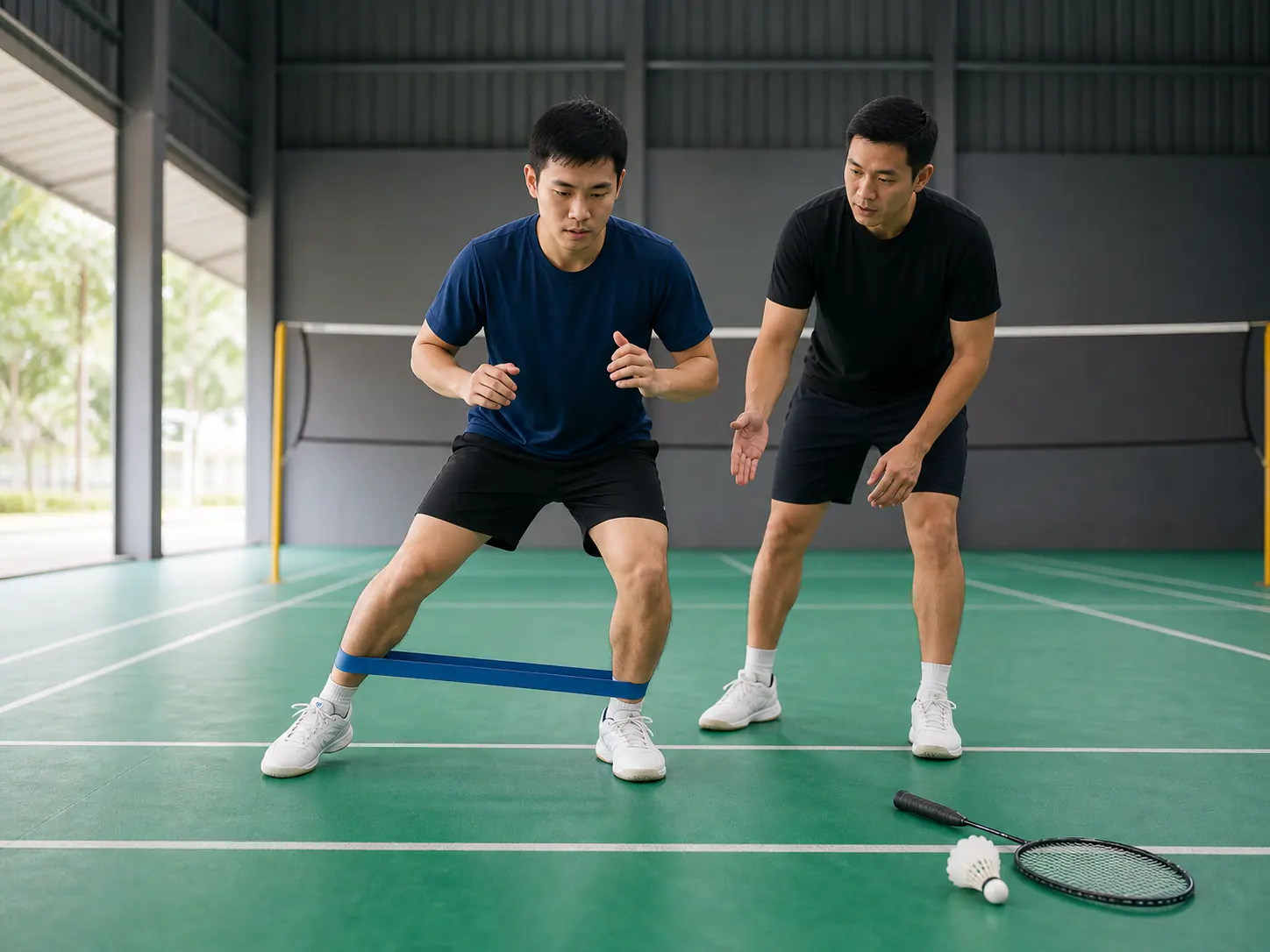
Badminton conditioning with a lateral resistance-band exercise

Moving from 5K to 10K is not simply running twice as far, it is a different fitness. Your aerobic engine, your fatigue resistance and your fuelling all have to grow. Rush it and you invite the classic 10K problems: a strong first half, then a painful crawl to the line as your form falls apart and your calves cramp.

We build the 10K the durable way: most runs easy and conversational to grow the base, one focused quality session a week, and strength work that keeps your stride efficient when tired. For KL runners we also plan hydration and cooler-hour long runs, because a humid 10K punishes anyone who trains only on cool treadmills.

The demands of the 10K

The 10K sits right on the edge of comfortable aerobic running and harder tempo effort. That means you need a solid easy-pace base plus the ability to hold a steady, slightly uncomfortable pace for 45 to 70 minutes. Late-race fatigue is where form breaks and injuries or cramps appear.

Many people who struggle at 10K have plenty of grit but too little easy mileage underneath it. They race every training run, never build the base, and wonder why the wheels fall off at kilometre seven.

The three ingredients we balance

  • Easy aerobic volume, the bulk of your weekly running
  • One weekly quality session, tempo or intervals
  • Strength twice a week to hold form when fatigued
  • Long-run practice for fuelling and heat management

A sample 10-week build

  1. Weeks 1-3: grow easy weekly volume, keep effort truly easy
  2. Weeks 4-6: add one tempo run and a slightly longer weekend run
  3. Weeks 7-8: introduce short intervals for leg speed
  4. Weeks 9-10: sharpen, taper, then race with a controlled first half

Common mistakes and home alternatives

The two big errors are running easy days too hard and neglecting strength. Both catch up with you at race distance. If haze or rain blocks a run, swap in a treadmill tempo or a strength session, never try to make up lost mileage by cramming, which is how people get hurt.

Frequently Asked Questions

How is 10K training different from 5K?+

It needs more easy-run volume and better fatigue resistance. The 5K rewards speed; the 10K rewards a strong aerobic base and holding form when tired, so we shift the balance toward endurance and durability.

I fall apart in the last 2km, why?+

Usually too little easy base and weak late-race strength, sometimes poor fuelling or pacing. We build volume, add strength for form under fatigue, and rehearse pacing so the last 2km feel controlled.

How long a long run do I need?+

For a 10K, weekend runs around 8-12km at easy pace are plenty. You do not need to run the full distance often in training, the easy volume across the week does the work.

When should I stop and get pain checked?+

Persistent joint or bone pain that lingers after runs, or any pain that changes your gait, needs a physio or doctor. Passing muscle tightness that eases as you warm up is part of normal training.

Continue exploring

Goals

Run Your First 5K

Running your first 5K is a beginner-friendly goal built on a gradual run-walk progression that grows your endurance without wrecking your joints. We coach it 1-to-1, including strength to keep you injury-free and pacing that works in KL's heat, until you run the full distance.

See the coaching approach →
Assessments

Strength Baseline Test

A strength baseline test measures how much you can safely handle at the start, using controlled reps, not one-rep maxes. It gives us a fair number to progress from, highlights left-right imbalances, and keeps early training safe. It is a fitness marker, not an injury diagnosis.

See how it works →
Programmes

Power Training

Power training develops your ability to produce force quickly, jumping, throwing, sprinting, reacting. It builds on a base of strength to make you explosive and athletic, and it is one of the first qualities to fade with age, which makes keeping it worth the effort.

See what it includes →
Programmes

Sports Performance Programme

A sports performance programme develops the speed, strength, power and resilience your sport demands, whether that is football, badminton, running or cycling. We build a targeted plan around your sport and position, so you perform better on the pitch, court or road and break down less often.

See what it includes →
Weight Loss

Strength Plus Cardio for Fat Loss

The best fat-loss plans use both strength and cardio, not one or the other. Strength keeps muscle and shape; cardio and walking add extra calorie burn and heart health. We show you how to combine them without overtraining, so fat drops while your body stays strong.

See the coaching approach →
Assessments

Push-Up Test

A push-up test counts how many good-form push-ups you can do in a row to gauge upper-body strength and endurance. We scale it, wall, incline, knees or full, to your level. It is a fitness marker we improve over time, done with quality reps, not a max-out competition or a medical test.

See how it works →

Ready for a more structured way to train?

Start with an assessment so we understand your level, goal, schedule and preferred training location.

The request opens WhatsApp; a time is confirmed only after we reply and agree it with you.

Request an assessment time Ask a question first