Skip to content

Sport-specific coaching

Swimming Dryland Training in KL & Selangor

Dryland training is the out-of-pool strength and mobility that makes swimmers faster and shoulders healthier. We build the pulling strength, shoulder stability and core control that translate to a stronger stroke, while protecting the shoulders that high swim volume tends to overload.
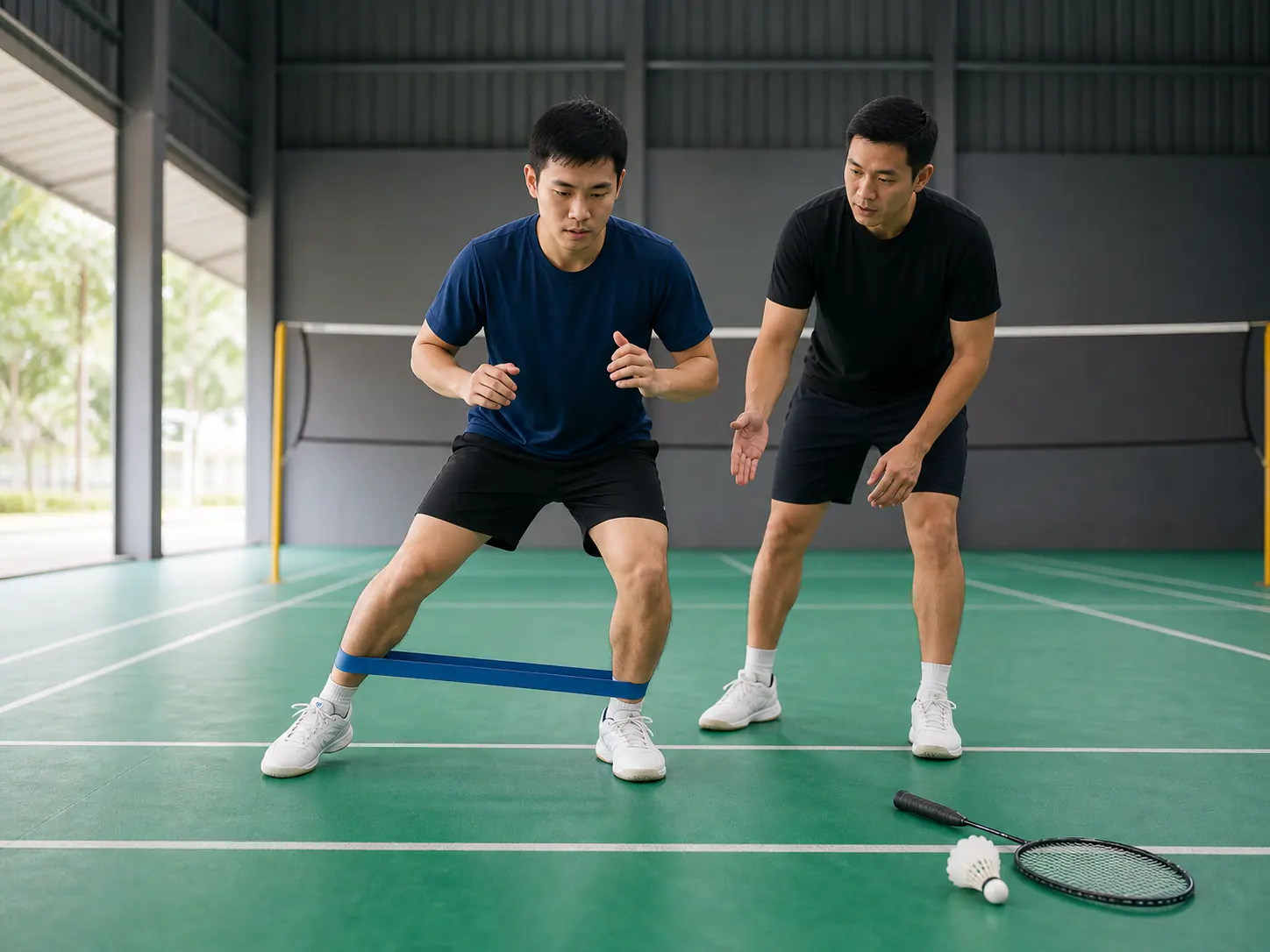
Badminton conditioning with a lateral resistance-band exercise

Swimmers spend endless hours in the pool but often neglect land-based strength, then hit a plateau or develop the classic swimmer's shoulder. Water builds the aerobic engine and feel for the stroke, but it does not build maximal pulling strength, posterior shoulder stability or the core control that holds a strong body line. Those gaps cap your speed and stress your shoulders.

Dryland training fills them. We build the pulling and core strength that transfers to a more powerful stroke and stronger push-offs, plus targeted shoulder work that protects the joint from the huge rotation volume swimming demands. Whether you swim for fitness, masters competition or as part of triathlon, smart dryland makes you faster and more durable.

Why dryland strength matters for swimmers

The stroke is powered by the lats, back and core pulling you through the water, and driven off the wall by the legs. Pool training alone rarely maximises these, and the repetitive overhead rotation of freestyle can overload the front of the shoulder while the stabilising muscles behind it stay weak.

Building pulling strength, posterior shoulder stability and core control both improves propulsion and balances the shoulder, which is why dryland reduces the shoulder niggles that so many swimmers accept as normal.

What we assess and build

  • Pulling strength for a more powerful stroke
  • Posterior shoulder and upper-back stability
  • Core control for a strong, streamlined body line
  • Leg power for stronger push-offs and kicks

A sample dryland progression

  1. Weeks 1-2: build shoulder stability and core control
  2. Weeks 3-4: add pulling strength and posterior chain work
  3. Weeks 5-6: introduce power for push-offs and starts
  4. Weeks 7-8: integrate dryland around your key pool sessions

Common mistakes and home alternatives

Swimmers often only ever swim, or do random shoulder exercises with no plan, then wonder why the shoulder still aches. Structured posterior shoulder and core work is what helps. At home, band pull-aparts, rows, planks and glute work build the balance and strength the stroke needs without a pool or gym.

Frequently Asked Questions

Will dryland training make me slower in the water?+

No, done sensibly it makes you faster and more durable. We build strength that transfers to your pull and push-offs without adding unnecessary bulk, and balance the shoulder so you can train more without breaking down.

My shoulder aches from swimming, can this help?+

Often, yes. Swimmer's shoulder frequently comes from a strong front and weak stabilising muscles behind. We strengthen the posterior shoulder and upper back to balance it. Sharp or persistent shoulder pain should be checked by a professional first.

How much dryland do I need?+

Two short sessions a week alongside your swimming is plenty for most. We schedule it so it supports your pool work rather than leaving your arms too tired to swim well.

I am a triathlete, is this different?+

The shoulder and pulling focus is the same, but we integrate it with your bike and run demands so nothing overloads. We can build a plan that balances all three disciplines sensibly.

Continue exploring

Exercise Library

Overhead Carry

The overhead carry has you walk while holding a weight locked out overhead. It builds shoulder stability, a braced core and full-body control, and challenges your posture hard. It is advanced, so we introduce it only once your overhead pressing and core are solid.

Learn the technique →
Exercise Library

Pallof Press

The Pallof press has you press a band or cable straight out from your chest while it tries to twist you sideways. Resisting that pull trains the deep core to stop unwanted rotation, protecting your spine and building real, functional core strength.

Learn the technique →
Programmes

Upper-Body Strength

Upper-body strength training develops your chest, back, shoulders and arms through balanced pushing and pulling. Done right, it improves your posture, makes daily lifting and carrying easier, and builds the shape Many people associate with looking fit and capable.

See what it includes →
Programmes

Functional Fitness

Functional fitness trains your body for the things you actually do, carrying shopping up to the condo, picking a child off the floor, twisting to reach the back seat. We build strength, stability and mobility in real movement patterns, not isolated machine work, so daily life gets easier.

See what it includes →
Goals

Core Strength and Flat Stomach

A strong core and a flat stomach are two separate jobs. Core strength comes from training the muscles that stabilise your spine; a flatter stomach comes from losing belly fat. We coach both together 1-to-1, so you get a back-protecting core and a tighter midsection.

See the coaching approach →
Goals

Improve Balance

Improving balance means training the strength, ankle control and quick reactions that keep you steady on your feet. We coach it progressively 1-to-1 so stairs, uneven pavements, wet floors and one-legged moments stop feeling risky, a foundation for confidence at any age.

See the coaching approach →

Ready for a more structured way to train?

Start with an assessment so we understand your level, goal, schedule and preferred training location.

The request opens WhatsApp; a time is confirmed only after we reply and agree it with you.

Request an assessment time Ask a question first