Skip to content

Sport-specific coaching

Half Marathon Training in KL & Selangor

Half marathon training builds the endurance base, long-run durability and pacing to cover 21.1km strong. We layer smart mileage, twice-weekly strength and heat-savvy long runs so you cross the line proud instead of hobbling, and stay injury-free through the whole build.
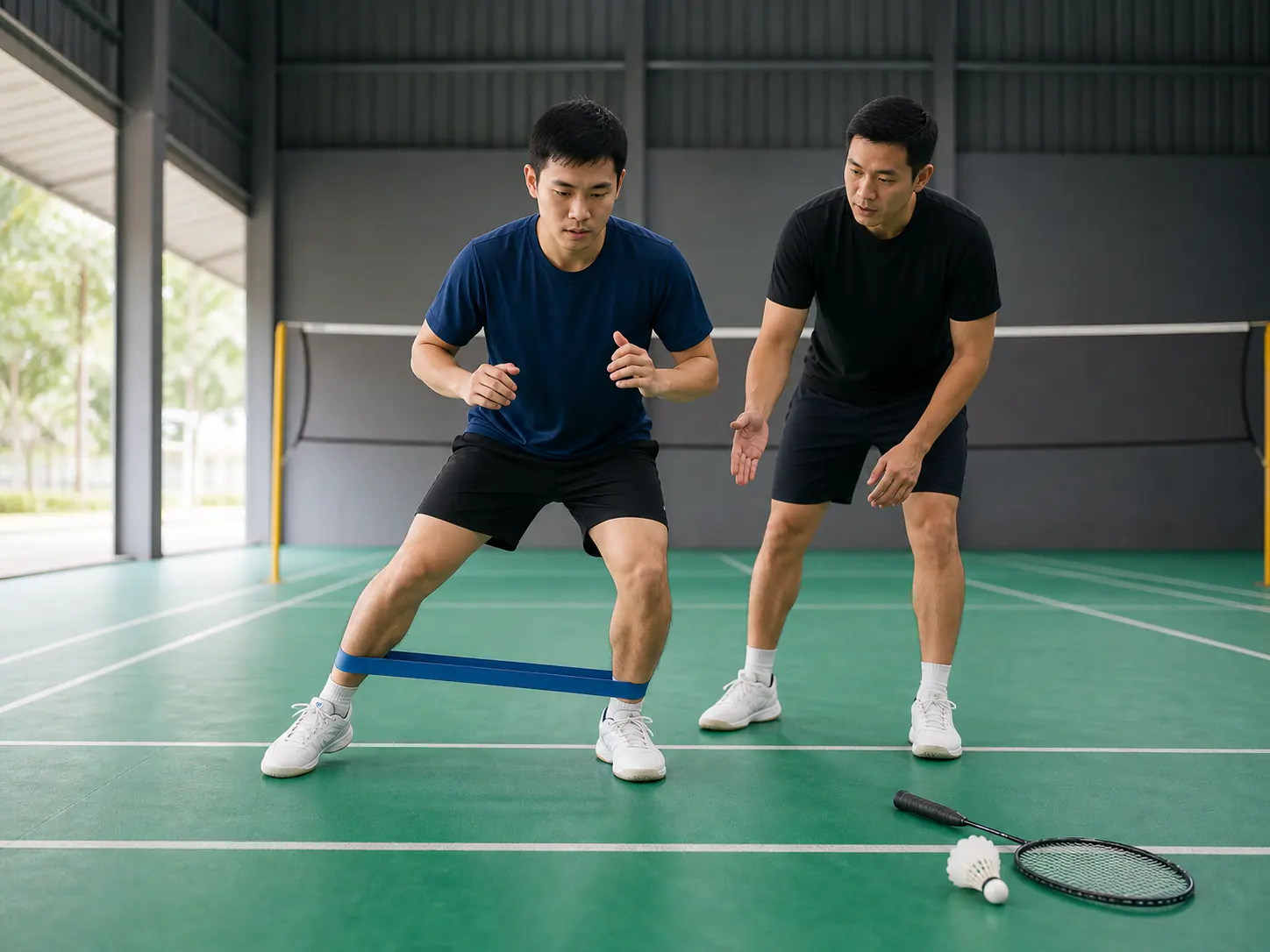
Badminton conditioning with a lateral resistance-band exercise

The half marathon is a serious but achievable step up, long enough to demand real endurance and durability, but not so long it takes over your life. The classic mistake is chasing weekly mileage while neglecting strength and recovery, which is how runners arrive at race day either injured or overtrained. Getting to 21.1km strong is about building the body, not just the miles.

We layer the training sensibly: a base of easy running, a progressively longer weekend run, one weekly quality session, and twice-weekly strength that keeps your form intact over two hours on your feet. For KL and Selangor runners we plan hydration and cooler-hour long runs, because a humid half marathon punishes anyone who has not rehearsed running in the heat.

The demands of the half marathon

Twenty-one kilometres asks your body to hold good form and steady effort for one and a half to two and a half hours. That needs a solid aerobic base, a durable musculoskeletal system that will not break down under repeated impact, and the fuelling and pacing to avoid fading in the final kilometres.

The two things that derail people are ramping mileage too fast, which causes overuse injuries, and neglecting strength, which lets form collapse late in long runs. We manage both carefully.

What we build alongside your running

  • A gradual, sustainable long-run progression
  • Twice-weekly strength for durability and form
  • One weekly quality session for race pace
  • Heat, hydration and pacing strategy for the day

A sample 12-week build

  1. Weeks 1-4: build easy base and long-run distance gradually
  2. Weeks 5-8: add tempo running and extend the long run
  3. Weeks 9-10: peak long runs and race-pace practice
  4. Weeks 11-12: taper so you arrive fresh and strong

Common mistakes and home alternatives

People increase mileage too quickly, skip strength, and race their easy runs. All three cause injury or burnout. If haze or heavy rain blocks a long run, a treadmill session or splitting the run keeps the build on track without risking your health outdoors.

Frequently Asked Questions

How many weeks do I need to train?+

Twelve to sixteen weeks for Many people with a running base, longer if you are newer. Rushing the build is the fastest way to an overuse injury, so we progress your long run and mileage patiently.

Do I really need strength training?+

Yes. Two short sessions a week keep your form intact over 21km and dramatically reduce overuse injuries. Most injuries in half marathon training come from too many miles on under-strengthened legs.

How do I cope with the KL heat on long runs?+

Run early, hydrate properly, and build heat tolerance gradually rather than avoiding it entirely. We rehearse race-day conditions in training so the humidity does not surprise you on the day.

When should I stop and get checked?+

Persistent joint or bone pain, pain that changes your running gait, or a niggle worsening week on week needs a physio or doctor. General fatigue and muscle soreness that eases with rest is part of the process.

Continue exploring

Goals

Run Your First 5K

Running your first 5K is a beginner-friendly goal built on a gradual run-walk progression that grows your endurance without wrecking your joints. We coach it 1-to-1, including strength to keep you injury-free and pacing that works in KL's heat, until you run the full distance.

See the coaching approach →
Programmes

Strength for Women

Strength training for women builds the toned, capable, confident body most women actually want, without the bulk so many fear. We coach proper lifting in a private, judgement-free setting, so you get strong, shapely and self-assured on your own terms.

See what it includes →
Programmes

Lower-Body Strength

Lower-body strength training builds your legs, hips and glutes, the biggest muscles you own and the engine behind walking, stairs, sport and standing up. Strong legs make daily life easier, protect your knees and back, and burn plenty of energy in the process.

See what it includes →
Assessments

Strength Baseline Test

A strength baseline test measures how much you can safely handle at the start, using controlled reps, not one-rep maxes. It gives us a fair number to progress from, highlights left-right imbalances, and keeps early training safe. It is a fitness marker, not an injury diagnosis.

See how it works →
Assessments

Push-Up Test

A push-up test counts how many good-form push-ups you can do in a row to gauge upper-body strength and endurance. We scale it, wall, incline, knees or full, to your level. It is a fitness marker we improve over time, done with quality reps, not a max-out competition or a medical test.

See how it works →
Goals

Core Strength and Flat Stomach

A strong core and a flat stomach are two separate jobs. Core strength comes from training the muscles that stabilise your spine; a flatter stomach comes from losing belly fat. We coach both together 1-to-1, so you get a back-protecting core and a tighter midsection.

See the coaching approach →

Ready for a more structured way to train?

Start with an assessment so we understand your level, goal, schedule and preferred training location.

The request opens WhatsApp; a time is confirmed only after we reply and agree it with you.

Request an assessment time Ask a question first