Skip to content

Sport-specific coaching

Kayaking & SUP Conditioning in KL & Selangor

Kayaking and SUP conditioning builds the rotational core, paddling power and healthy shoulders that time on the water demands. We strengthen the body off the water so you paddle longer, more powerfully and with less shoulder and back strain on every outing.
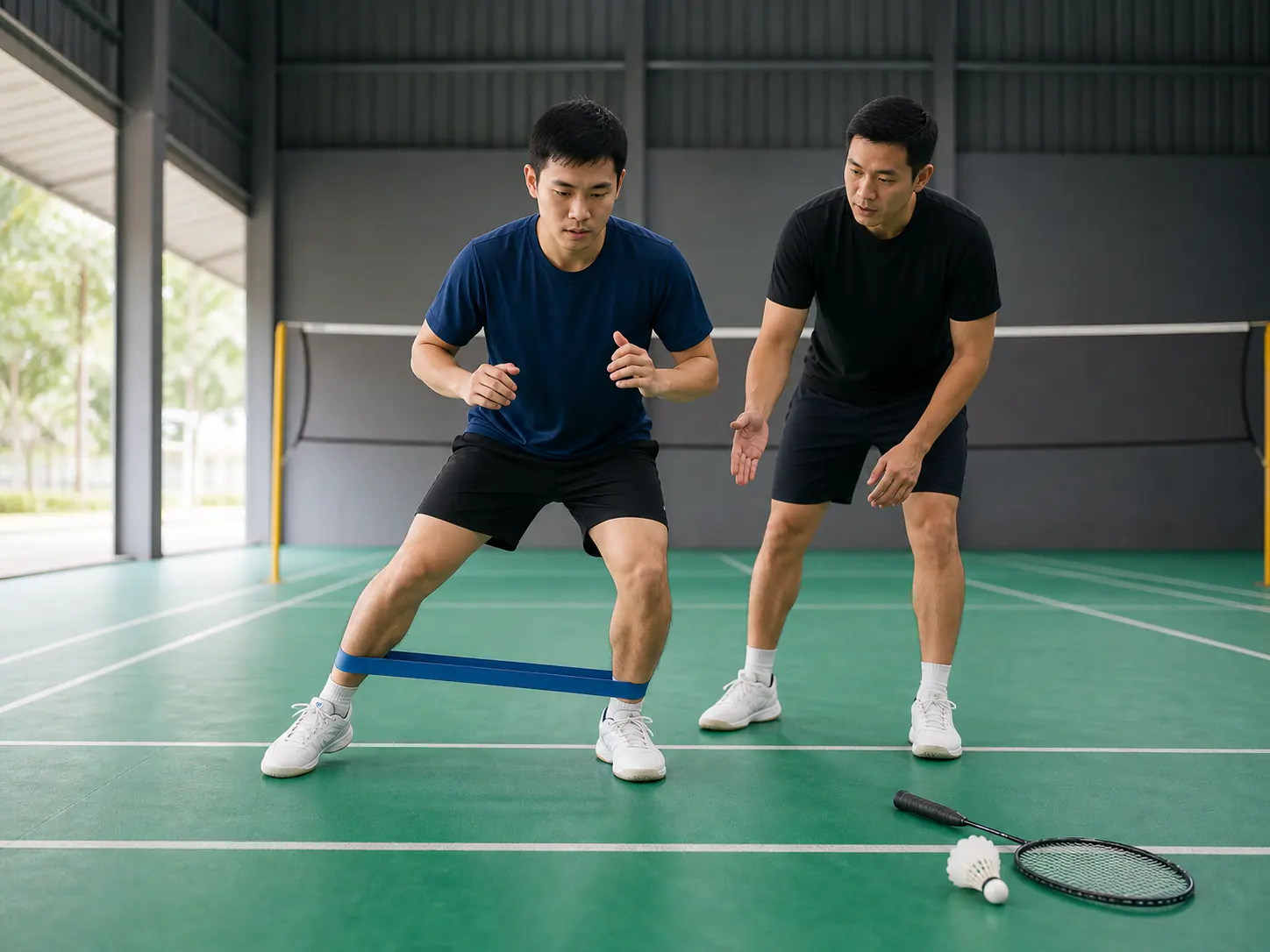
Badminton conditioning with a lateral resistance-band exercise

Kayaking and stand-up paddleboarding look relaxing, but a few hours on the water reveals the truth: sore shoulders, an aching lower back, and arms that give out long before you want to head in. Good paddling is driven by the core and rotation, not just the arms, and Many people never build the strength that makes it powerful and comfortable.

We are your off-water conditioning. The goal is a body that paddles strongly for longer, with healthy shoulders and a back that does not complain. That means rotational core strength to drive each stroke, balanced shoulder work to keep them injury-free, and the stability that keeps you upright and efficient, whether on a calm lake or choppier water.

Why paddling tires people out so fast

Most beginners paddle mainly with their arms, which tire quickly and leave the shoulders doing too much. Powerful paddling comes from rotating the torso and driving through a strong core, with the arms transmitting that force rather than creating it. Without core and rotational strength, you fade fast and strain your shoulders and back.

On a SUP there is the added demand of balance, which quietly fatigues the legs and core over a long session.

What we assess before you start

  • Rotational core strength and control
  • Shoulder strength and balance to prevent strain
  • Grip and arm endurance for long paddles
  • Balance and stability, especially for SUP
  • Any shoulder or lower-back history to manage

Strength, stamina and mobility focus

Strength centres on the rotational core that drives paddling, balanced shoulder work to keep them healthy, and grip endurance for long outings. Stamina work builds the staying power for longer paddles. Mobility keeps the thoracic spine and shoulders rotating freely so your stroke is efficient.

For SUP we add balance and leg work. It all pairs with your water time, which builds the specific paddling skill.

A sample conditioning approach

  1. Build rotational core strength as the paddling engine
  2. Add balanced shoulder work to prevent strain
  3. Train grip and arm endurance for long sessions
  4. Include balance work, especially if you SUP
  5. Keep the thoracic spine mobile for an efficient stroke

Frequently Asked Questions

My shoulders ache after paddling. Why?+

Usually because you are paddling with your arms and shoulders instead of your core and rotation, overloading them. Building rotational core strength and balanced shoulder work typically eases that within a few weeks.

Is paddling really about the core, not the arms?+

Largely, yes. Powerful, efficient paddling drives from torso rotation and a strong core, with the arms transmitting force. Train the core and your arms and shoulders last far longer on the water.

I keep losing balance on my SUP. Can training help?+

Yes. Balance and core stability are very trainable off the water, and stronger legs and core make a real difference to how steady you feel. We include specific balance work if SUP is your focus.

My lower back hurts on longer paddles. Is that fixable?+

Often, through core strength and better posture so the back is not overworking. If the pain is sharp, persistent or radiates, we have it assessed by a physio before loading it further.

Continue exploring

Programmes

Core Training

Core training builds the deep trunk muscles that stabilise your spine, protect your back and transfer force between your upper and lower body. It is about a strong, functional midsection that supports everything you do, not just chasing visible abs with endless crunches.

See what it includes →
Programmes

Sports Performance Programme

A sports performance programme develops the speed, strength, power and resilience your sport demands, whether that is football, badminton, running or cycling. We build a targeted plan around your sport and position, so you perform better on the pitch, court or road and break down less often.

See what it includes →
Goals

Recreational Sport Performance

Recreational sport performance training builds the strength, conditioning and resilience that make you better and more durable at the sport you love, futsal, badminton, tennis, running, hiking. We coach it 1-to-1 to complement your game, so you play harder and break down less.

See the coaching approach →
Exercise Library

Bear Crawl

The bear crawl has you move on your hands and feet with your knees just off the floor. It builds full-body strength, core stability and coordination in one move, needs no equipment, and doubles as a challenging warm-up or conditioning drill for any level.

Learn the technique →
Exercise Library

Face Pull

The face pull has you pull a rope or band toward your face while flaring your elbows out. It strengthens the rear shoulders and upper back, muscles that keep shoulders healthy and balanced against all the pressing Many people do. A key shoulder-care exercise.

Learn the technique →
Goals

Core Strength and Flat Stomach

A strong core and a flat stomach are two separate jobs. Core strength comes from training the muscles that stabilise your spine; a flatter stomach comes from losing belly fat. We coach both together 1-to-1, so you get a back-protecting core and a tighter midsection.

See the coaching approach →

Ready for a more structured way to train?

Start with an assessment so we understand your level, goal, schedule and preferred training location.

The request opens WhatsApp; a time is confirmed only after we reply and agree it with you.

Request an assessment time Ask a question first