Skip to content

Sport-specific coaching

Return to Sport After a Break in KL & Selangor

Returning to sport after months or years off is where injuries happen, because the mind remembers what the body cannot yet do. We rebuild your strength, conditioning and movement gradually so you get back to the sport you love without a first-week strain undoing your enthusiasm.
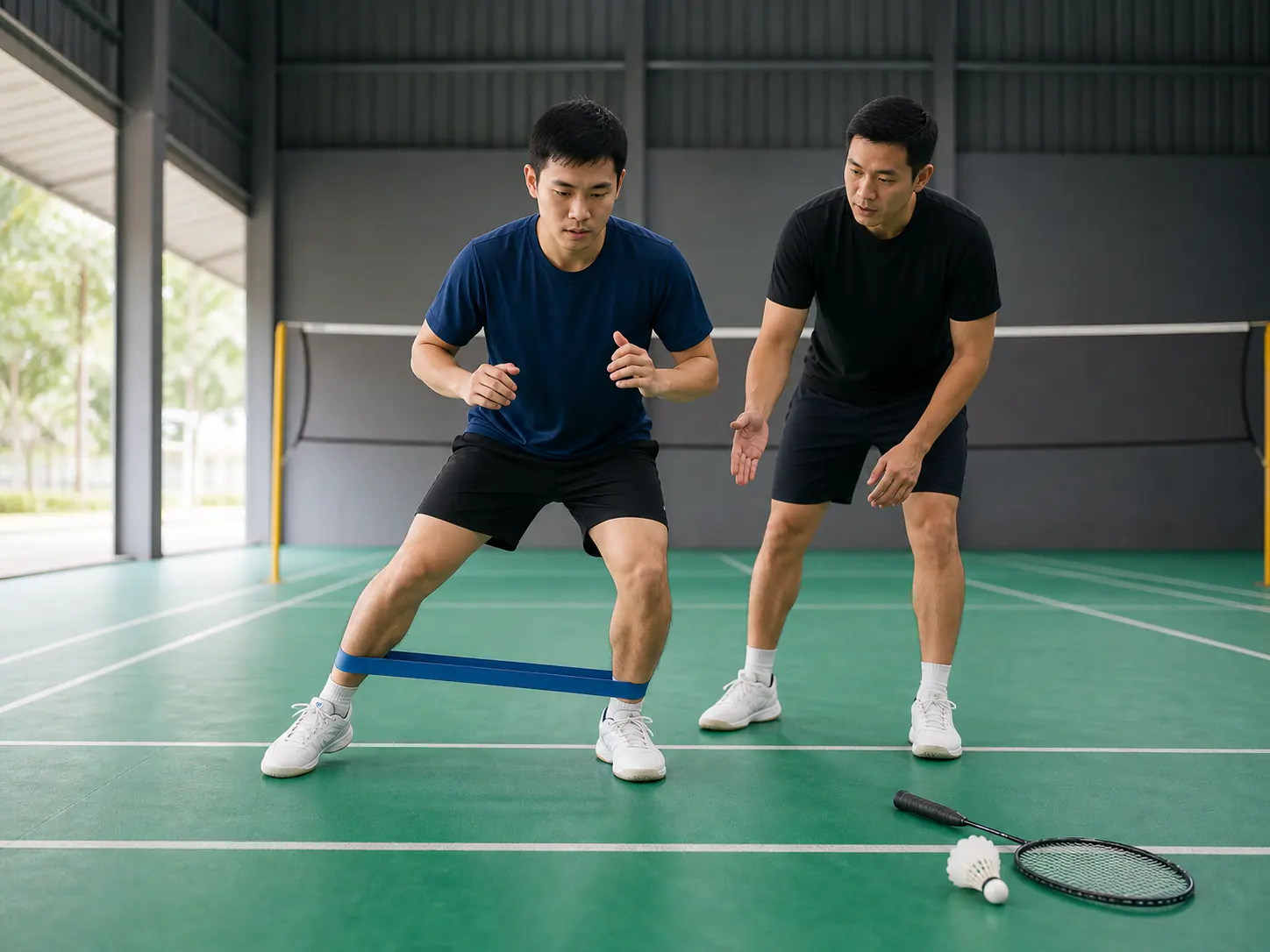
Badminton conditioning with a lateral resistance-band exercise

The most dangerous moment in recreational sport is the comeback. You used to play, you know how it feels, and your mind expects your body to pick up where it left off. But after months or years away, your muscles, tendons and conditioning have all faded, so going straight back to full intensity is how comebacks end in a torn hamstring or a rolled ankle in the very first session.

We rebuild you the right way. Starting from where your body actually is now, not where it used to be, we redevelop strength, conditioning and sport-specific movement in a sensible progression. That lets you return to football, badminton, running or whatever you love without the frustrating injury that so often greets people who rush back. A patient rebuild gets you playing again and keeps you there.

Why comebacks so often end in injury

Time off deconditions everything: muscle strength, tendon resilience, aerobic fitness and movement sharpness all decline, often more than people realise. The problem is that your skill and your competitive instinct come back instantly, while your physical capacity does not. So you play at the intensity your mind remembers, on a body that is not ready for it.

That gap between perceived and actual capacity is exactly where returning athletes get hurt. The solution is to rebuild the physical base first and let the intensity follow, rather than the other way around.

What we assess and rebuild

  • Your current strength and conditioning, honestly assessed
  • A gradual rebuild of the qualities your sport needs
  • Sport-specific movement reintroduced progressively
  • Any old injuries screened and strengthened around

A sample return progression

  1. Weeks 1-2: assess current level and rebuild base strength
  2. Weeks 3-4: add conditioning and gentle sport-specific movement
  3. Weeks 5-6: progress intensity and reintroduce harder efforts
  4. Weeks 7-8: return to full sport with the base to handle it

Common mistakes and home alternatives

People go straight back to full-intensity games after a long layoff and get hurt in week one, or ignore an old injury that flares up again. At home, gradual strength work, conditioning and progressive movement rebuild the base. The key principle is patience: rebuild before you compete.

Frequently Asked Questions

I used to be fit, so why do I need to build up slowly?+

Because fitness fades faster than skill. Your body has deconditioned even if your instincts have not, and going straight to full intensity on unprepared tissue is exactly how comebacks end in injury. A short rebuild protects the return.

How long before I can play properly again?+

It depends on how long you were off and your starting point, but often a few weeks of rebuilding is enough to return safely. We assess you and set a realistic progression rather than a guess.

I have an old injury from before my break, is that a problem?+

It needs screening first. If it is stable and cleared, we rebuild strength around it as part of your return. If it needs clinical review, we will say so and point you to the right professional before you load it.

When should I see a professional first?+

If you are returning after an injury, surgery or a medical condition, get cleared before you start. We build return-to-sport conditioning around cleared, stable issues and refer whenever something needs a doctor or physio first.

Continue exploring

Programmes

Functional Fitness

Functional fitness trains your body for the things you actually do, carrying shopping up to the condo, picking a child off the floor, twisting to reach the back seat. We build strength, stability and mobility in real movement patterns, not isolated machine work, so daily life gets easier.

See what it includes →
Goals

Get Back in Shape

Getting back in shape means rebuilding the fitness you once had after months or years away, sensibly, without the injury that comes from training like your old self on day one. We coach the comeback 1-to-1 so it is steady, safe, and this time actually sticks.

See the coaching approach →
Goals

Recreational Sport Performance

Recreational sport performance training builds the strength, conditioning and resilience that make you better and more durable at the sport you love, futsal, badminton, tennis, running, hiking. We coach it 1-to-1 to complement your game, so you play harder and break down less.

See the coaching approach →
Programmes

Low-Impact Training

Low-impact training builds strength and fitness without the jumping, pounding and jarring that bother sensitive joints. It suits heavier clients, older adults and anyone with cranky knees, hips or ankles, proving you can get genuinely fit while being kind to your body.

See what it includes →
Assessments

Fitness vs Clinical Assessment

A fitness assessment sets a safe starting point for training, mapping strength, stamina and movement. A clinical assessment diagnoses injuries and medical conditions, and only qualified healthcare professionals do that. We do the first, never the second, and refer you on the moment something needs a doctor or physio.

See how it works →
Weight Loss

Keeping Weight Off

Many people can lose weight; far fewer keep it off, because they treat the diet as temporary. Keeping weight off means building habits you can hold for life, regular strength training, enough protein and daily movement, and shifting from a short diet to a lasting way of living.

See the coaching approach →

Ready for a more structured way to train?

Start with an assessment so we understand your level, goal, schedule and preferred training location.

The request opens WhatsApp; a time is confirmed only after we reply and agree it with you.

Request an assessment time Ask a question first