Skip to content

Sport-specific coaching

Spartan & Obstacle Race Preparation in KL & Selangor

Obstacle race prep builds the trail-running stamina, grip strength and full-body power that events like Spartan demand. We train you to run tired, haul heavy carries, climb and crawl over muddy terrain, and clear the obstacles that catch out runners with no upper-body strength.
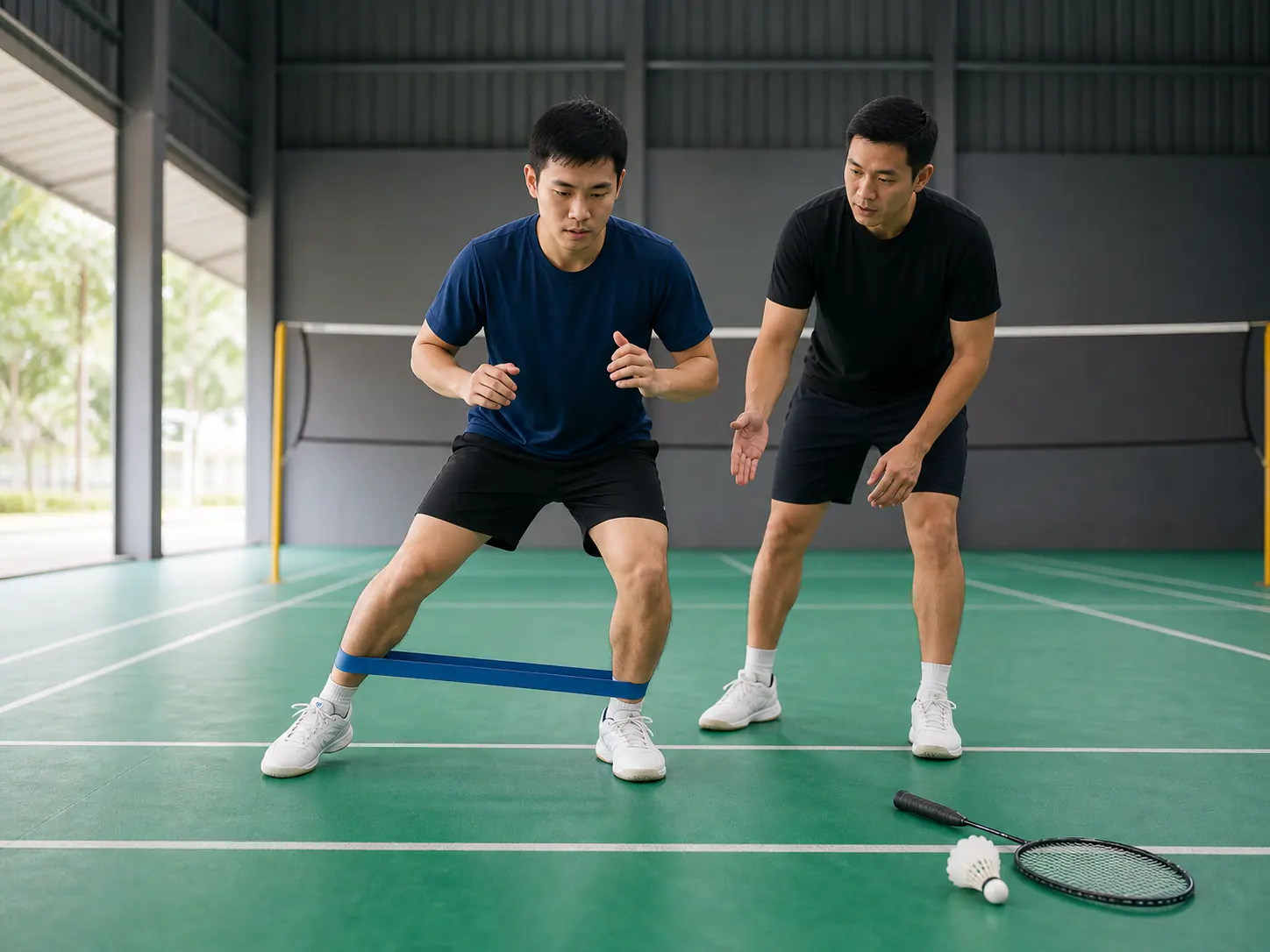
Badminton conditioning with a lateral resistance-band exercise

Obstacle course races like Spartan are the ultimate test of all-round fitness. It is not just running, it is running muddy hills, then hauling sandbags, carrying buckets, climbing walls, crawling under wire and hanging from monkey bars, all while exhausted. Pure runners get stopped dead by the grip and upper-body obstacles; gym-only athletes fade on the hills. You need both.

We build the complete engine OCR demands: trail-running stamina to cover the distance, grip and upper-body strength for the hanging and climbing obstacles, and the full-body power for carries and crawls. We prepare you for the muddy, tired reality of race day so you keep moving through the obstacle zone instead of stacking up burpee penalties.

What obstacle racing actually demands

An OCR combines endurance running over hilly, muddy terrain with dozens of obstacles that test grip, upper-body strength, carrying power and agility. Crucially, you meet each obstacle already fatigued from running, so grip and strength have to work when your arms are pumped and your legs are heavy.

The two things that stop Many people are grip strength failing on the hanging obstacles, and a lack of upper-body and carrying strength. Runners underestimate this constantly, which is why so many rack up penalties.

What we assess and build

  • Trail and hill running stamina for the distance
  • Grip strength for hanging and climbing obstacles
  • Carrying and full-body strength for sandbags and buckets
  • Agility and crawling movement for the obstacle zone

A sample prep progression

  1. Weeks 1-3: build running base and full-body strength
  2. Weeks 4-6: add grip work, carries and climbing strength
  3. Weeks 7-9: combine running with obstacle-style efforts when tired
  4. Weeks 10-12: race-simulation and terrain practice, then taper

Common mistakes and home alternatives

Runners train the run and ignore grip and upper body, then fail obstacles. Others train strength but never run hills tired. At home, dead hangs, pull-ups, heavy carries, sandbag work and hill running build most of what you need before you ever touch a real obstacle rig.

Frequently Asked Questions

I can run but fail the obstacles, why?+

Almost always grip and upper-body strength, made worse by meeting obstacles already fatigued from running. We build grip, pulling and carrying strength and train them tired, so the obstacles stop being your weak point.

Do I need to train grip specifically?+

Yes, heavily. Grip is the single most common reason people fail hanging and climbing obstacles. Dead hangs, carries and pulling work build it, and we train it under the fatigue you will actually face.

How fit do I need to be to start prep?+

You do not need to be race-ready, that is what the prep is for. We meet you at your level and build both the running and strength gradually over eight to twelve weeks or more.

When should I hold back for safety?+

If you have a joint injury that climbing or carrying aggravates, or any medical concern with high-intensity exercise, get cleared by a professional first. We build within what is safe and cleared, and refer when something needs a doctor.

Continue exploring

Programmes

Sports Performance Programme

A sports performance programme develops the speed, strength, power and resilience your sport demands, whether that is football, badminton, running or cycling. We build a targeted plan around your sport and position, so you perform better on the pitch, court or road and break down less often.

See what it includes →
Assessments

Push-Up Test

A push-up test counts how many good-form push-ups you can do in a row to gauge upper-body strength and endurance. We scale it, wall, incline, knees or full, to your level. It is a fitness marker we improve over time, done with quality reps, not a max-out competition or a medical test.

See how it works →
Goals

Run Your First 5K

Running your first 5K is a beginner-friendly goal built on a gradual run-walk progression that grows your endurance without wrecking your joints. We coach it 1-to-1, including strength to keep you injury-free and pacing that works in KL's heat, until you run the full distance.

See the coaching approach →
Programmes

Core Training

Core training builds the deep trunk muscles that stabilise your spine, protect your back and transfer force between your upper and lower body. It is about a strong, functional midsection that supports everything you do, not just chasing visible abs with endless crunches.

See what it includes →
Goals

Do Your First Pull-Up

Getting your first pull-up is a specific strength goal with a clear path: build your back and arm pulling strength through progressions like assisted and negative reps until you can lift your full bodyweight once. We coach that ladder 1-to-1 so you actually get there.

See the coaching approach →
Weight Loss

Weight-Loss Training for Women

Weight-loss training for women uses strength work to drop fat while keeping, not shrinking, the shape you want. It sidesteps the crash-diet cycle, respects your energy and cycle, and builds strength that carries into daily life. No bulking, no starving, a supportive setting.

See the coaching approach →

Ready for a more structured way to train?

Start with an assessment so we understand your level, goal, schedule and preferred training location.

The request opens WhatsApp; a time is confirmed only after we reply and agree it with you.

Request an assessment time Ask a question first