Skip to content

Sport-specific coaching

Dragon Boat Conditioning in KL & Selangor

Dragon boat conditioning builds the pulling power, rotational core strength and back durability that racing paddling demands. We train the muscles behind the stroke so you pull harder for longer, keep the boat in time, and protect the lower back that repetitive rotation under load can strain.
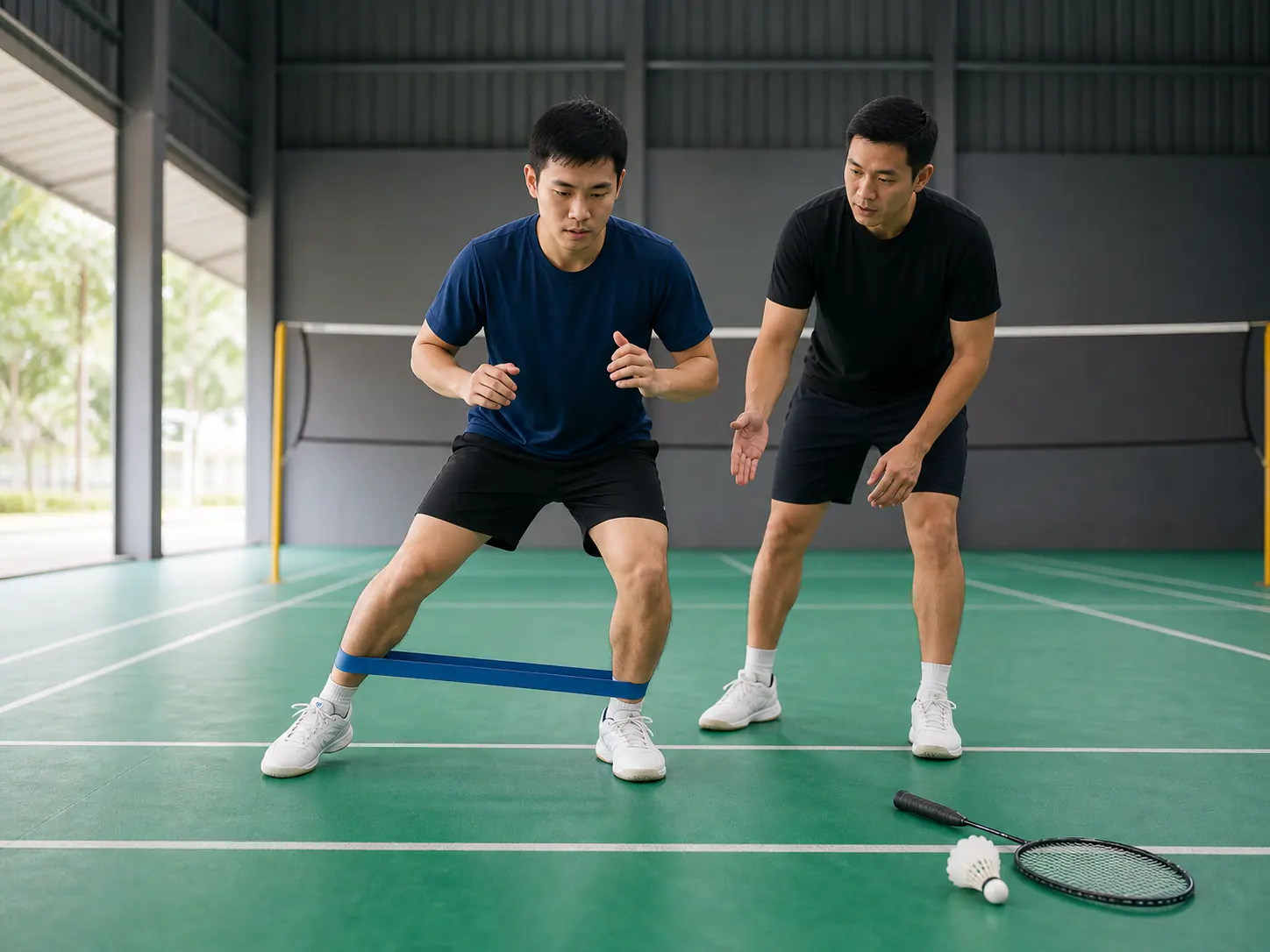
Badminton conditioning with a lateral resistance-band exercise

Dragon boat racing looks like arms, but the power comes from the legs, hips, core and back working together in a rotational pull. Paddlers who only train on the water often plateau on stroke power and pick up lower-back and shoulder complaints, because the repetitive loaded rotation exposes any weakness. Off-water conditioning is what turns a decent paddler into a strong, durable one.

We build what the stroke actually needs: pulling strength through the back and lats, rotational core power to drive the paddle, and the back and shoulder durability to hold that under fatigue over a 200m or 500m race. Whether you paddle recreationally or race competitively around KL and Putrajaya, stronger off the water means a more powerful, sustainable stroke on it.

Where paddle power really comes from

A strong stroke is a rotational, full-body pull, legs and hips drive, the core transfers, and the back and lats pull the paddle through the water. Paddlers who rely on arms alone tire fast and never reach their power ceiling. The repetitive rotation under load also stresses the lower back and shoulders when the supporting muscles are weak.

Building rotational core and pulling strength both boosts stroke power and protects the joints that paddling loads hardest.

What we assess and build

  • Pulling strength through the back and lats
  • Rotational core power for a stronger stroke
  • Lower-back and shoulder durability under load
  • Repeat-effort conditioning for race distances

A sample conditioning progression

  1. Weeks 1-2: build core control and back and shoulder stability
  2. Weeks 3-4: add pulling strength and rotational work
  3. Weeks 5-6: power endurance matched to race demands
  4. Weeks 7-8: integrate strength around your on-water training

Common mistakes and home alternatives

Paddlers train only on the water and neglect off-water strength, then plateau or strain their back. Others row with poor position and load the lower back. At home, rows, band pulls, rotational core drills and hip hinge work build the strength and control the stroke needs.

Frequently Asked Questions

My lower back aches after paddling, can you help?+

Often, yes. Loaded rotation strains the lower back when the core and hips are weak. We build rotational core strength and better positioning to protect it. Sharp or persistent back pain should be checked by a professional first.

Will off-water strength improve my stroke?+

Yes. Stroke power comes from the back, lats and rotational core, which water training alone rarely maximises. Building these gives you a stronger, more sustainable pull, especially in the closing stretch of a race.

I only paddle for fun, is this needed?+

It is optional, but even recreational paddlers benefit from core and back strength that makes paddling more comfortable and protects against the aches that repetitive rotation can cause.

When should I stop and get checked?+

Back pain that radiates, persists or worsens, or a shoulder that becomes sharply painful or weak, needs a doctor or physio before you paddle on. We build conditioning around cleared, stable issues.

Continue exploring

Programmes

Core Training

Core training builds the deep trunk muscles that stabilise your spine, protect your back and transfer force between your upper and lower body. It is about a strong, functional midsection that supports everything you do, not just chasing visible abs with endless crunches.

See what it includes →
Programmes

Lower-Body Strength

Lower-body strength training builds your legs, hips and glutes, the biggest muscles you own and the engine behind walking, stairs, sport and standing up. Strong legs make daily life easier, protect your knees and back, and burn plenty of energy in the process.

See what it includes →
Assessments

Resting Heart Rate

Resting heart rate is your pulse when calm and at rest. As you get fitter, it often drifts lower, making it a simple recovery and conditioning marker we can track over time. It is a fitness signal, not a diagnosis, and unusual readings are a reason to see a doctor, not to train harder.

See how it works →
Goals

Core Strength and Flat Stomach

A strong core and a flat stomach are two separate jobs. Core strength comes from training the muscles that stabilise your spine; a flatter stomach comes from losing belly fat. We coach both together 1-to-1, so you get a back-protecting core and a tighter midsection.

See the coaching approach →
Goals

Do Your First Pull-Up

Getting your first pull-up is a specific strength goal with a clear path: build your back and arm pulling strength through progressions like assisted and negative reps until you can lift your full bodyweight once. We coach that ladder 1-to-1 so you actually get there.

See the coaching approach →
Weight Loss

Why Strength Matters for Fat Loss

Chasing strength, not just a lower number, gives you the best fat-loss results. Getting stronger protects muscle, keeps your metabolism up, builds the shape you want, and gives you a positive goal that keeps you consistent. It turns fat loss from a punishment into progress you can feel.

See the coaching approach →

Ready for a more structured way to train?

Start with an assessment so we understand your level, goal, schedule and preferred training location.

The request opens WhatsApp; a time is confirmed only after we reply and agree it with you.

Request an assessment time Ask a question first